Category Archives: Recommendations

Grief-love-and-lust

The camera is a very delicate instrument. It can, in the hands of talented and sensitive people/photographers, make us see life and what is happening to us or our fellow beings. And more than that, photographs make us react and act. Good or bad, beautiful or ugly images do that. What would the world be without cameras? The thought makes me dizzy.

Here is a wonderful series of images that makes me react, and perhaps act too…

http://www.bbc.com/culture/story/20151109-12-images-of-grief-love-and-lust

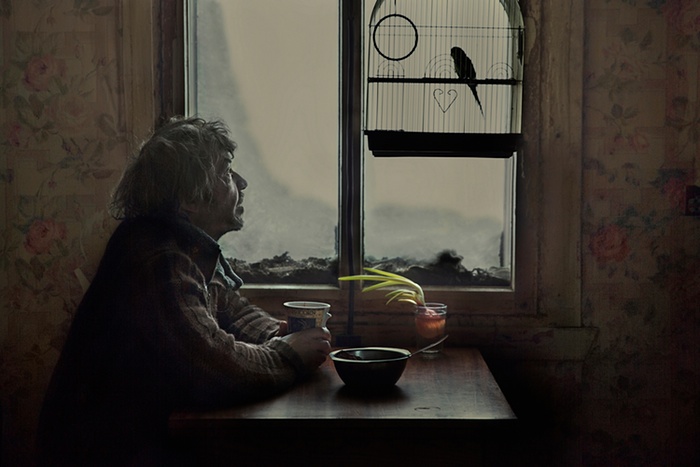
Text to featured image:

Christopher Anderson (Rio de Janeiro, Brazil, 2009)

“In 2008, my first child was born. Up until that point, my photographs as a ‘war photographer’ had been about the experiences of others in far away places. Now, for the first time, I found myself photographing my own family,” says the photographer Christopher Anderson. His intimate portrait – far removed from the frontline – is included in a new project by Magnum. Up Close and Personal features the work of 68 photographers: some domestic snapshots, others glimpses of strangers in a moment of vulnerability. At the click of the shutter, one subject is caught crying, never giving the reason; another is lost in mourning. Strangers flirt; a father lifts his son in the air; a prostitute clutches her client’s back. Yet the images reveal as much about the people who took them as their subjects. “It didn’t occur to me that these photographs had anything to do with my ‘work’,” says Anderson, talking about his own family photos. “But I now realise that these images were actually my life’s work and that every photograph I had made up to that moment was just a preparation to make these photographs of my family.” Up Close and Personal features the most intimate images from Magnum Photos, as interpreted by more than 60 photographers and artists. Signed and estate-stamped prints for $100 will be available for a limited time, from Monday 9 November until Friday 13 November, on the Magnum website. (Credit: Christopher Anderson/Magnum)

p037lplxNewsha Tavakolian (Tehran, Iran, 2010)

The act of photographing can itself induce emotion within the subjects. “I decided to turn my own apartment into a studio, and have neighbours and friends come over to have their portraits taken,” says the Iranian photographer Newsha Tavakolian. “Naghmeh is one of the most popular young women in Tehran, she’s beautiful, smart and funny. I took pictures of her in total silence. Suddenly, her face expressionless, tears started welling up in her eyes, as if she was trying to show me something. Afterwards she said goodbye quietly and left.” The power of the image comes through that spontaneity; Naghmeh’s unguarded look is a far remove from a posed portrait. “Later, when I had the image framed, one of the glass plates had a scratch on it and the framer asked if he could keep it,” says Tavakolian. “He hung it in his shop. Customers debated, wondering why she was so sad. ‘You could write a book with all the stories people come up with when they see this portrait,’ the framer told me. I never asked her why she cried.” (Credit: Newsha Tavakolian/Magnum)

p037lpvnSteve McCurry (La Esperanza, Colombia, 2004)

The photographer of the ‘Afghan Girl’ image, which ran on the cover of National Geographic magazine in 1985, believes that photography itself is an act of intimacy. “In this picture, the relationship between a father and his young son reveals total intimacy with each other, and intimacy with the photographer who records that moment in time, who then transmits this feeling of intimacy with viewers wherever and whenever they see this photograph,” says Steve McCurry. “This family was not rich in material things, but very rich in relationships, trust, and the kind of love that drives away fear. They are both at ease and completely comfortable in each other’s presence without any self-consciousness whatsoever. It doesn’t get any better than that.” (Credit: Steve McCurry/Magnum)

😊  Pelle   Another BBC story
A life for you?

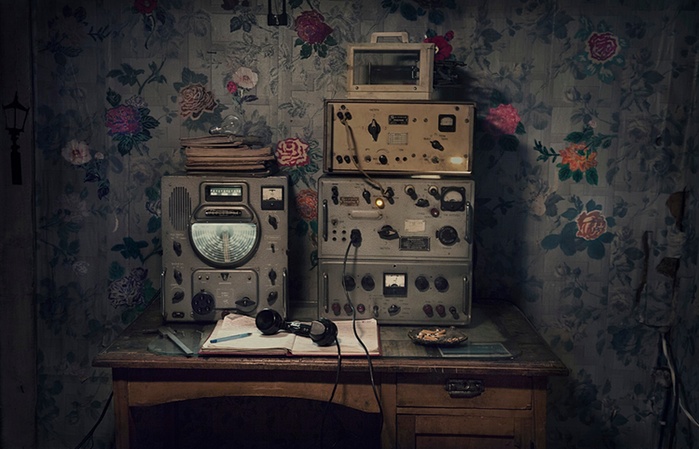
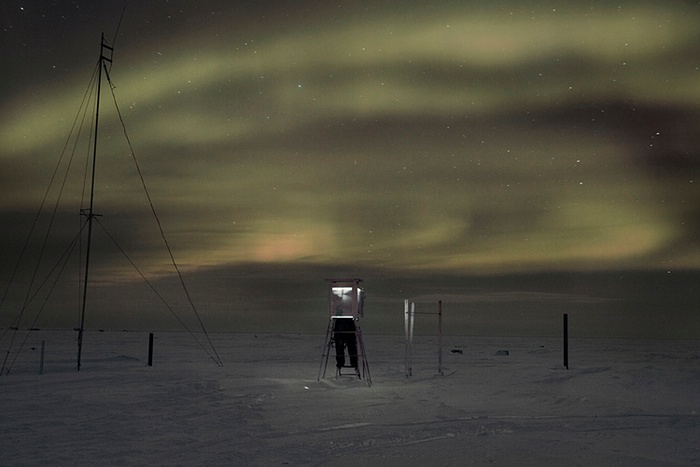
Are you like me? Living a city life with TV, radio, internet, smartphone etc. Look at this! This is about another life, in another part of the world. Close to nature, very close.

A life for me? No! I admire Slava, but no. Thank you. Just looking at the beautiful photographs is fine.

Slava Korotki is a meteorologist who lives in Khodovarikha, northern Russia, on an Arctic outpost that’s an hour away by helicopter from the nearest town. Photographer Evgenia Arbugaeva grew up in the Arctic, and happened upon Slava living in the past. She spent three weeks shooting him as he worked, rowed his homemade boat and built matchstick houses in an Arctic timewarp

http://www.theguardian.com/artanddesign/gallery/2015/oct/26/evgenia-arbugaeva-weather-man-the-most-cut-off-man-on-earth-in-pictures

http://www.theguardian.com/artanddesign/2015/oct/26/slava-of-the-arctic-worlds-most-extreme-weatherman-evgenia-arbugaeva-photographs

1500-1 1500-2 1500-3 1500 3000😊 Pelle

Lost and found

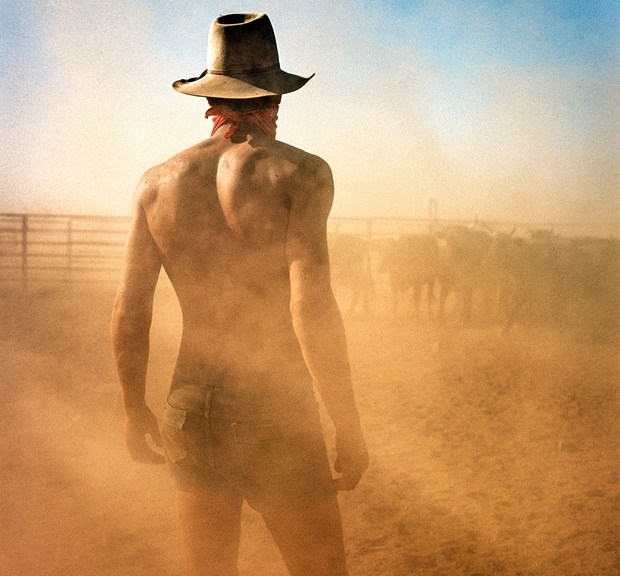
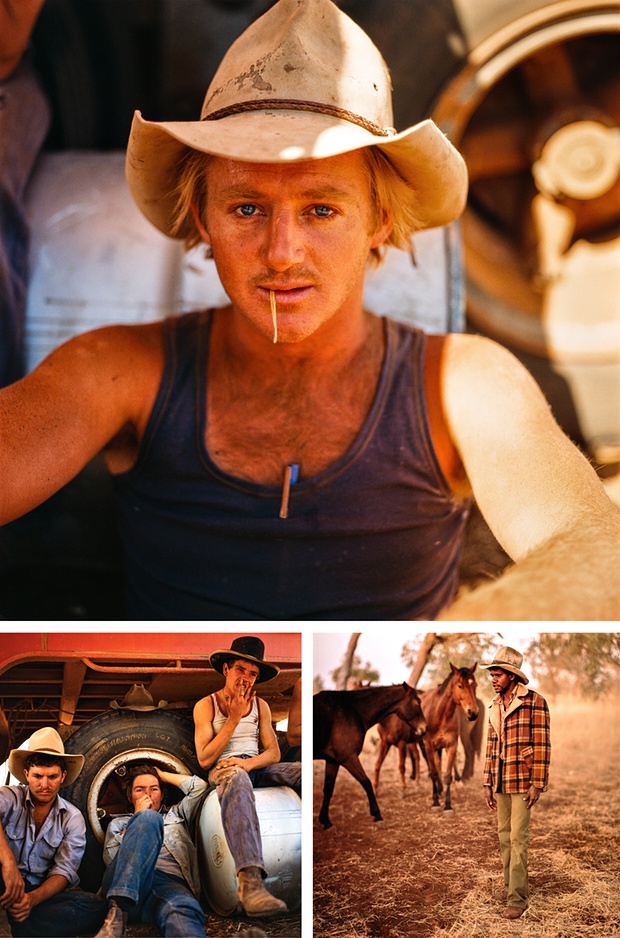
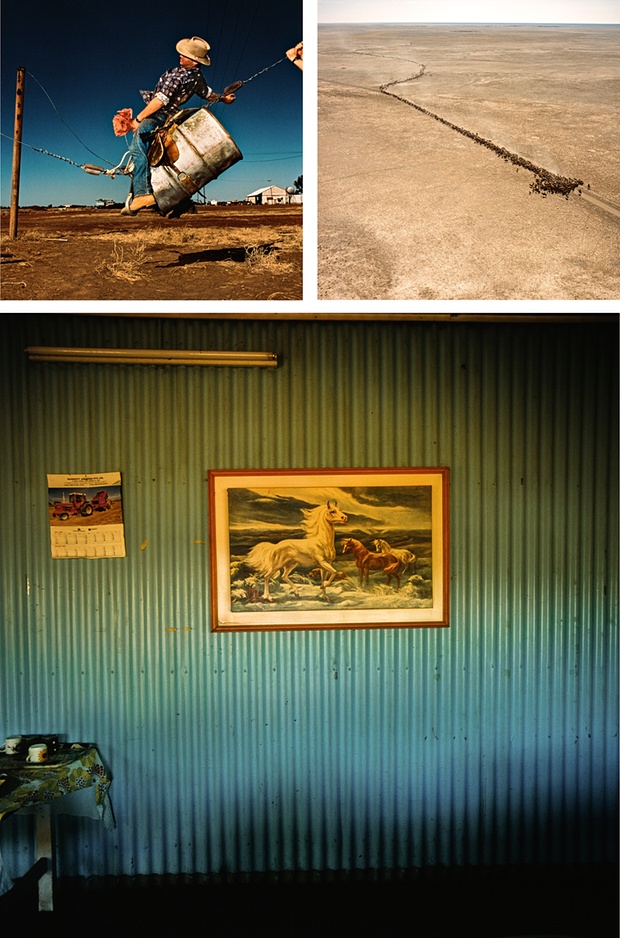
The Swedish photographer Håkan Ludwigson spent time in Australia in the 1980´s covering cowboys. But: Håkan Ludwigson’s images showcase the brutal beauty of Australia’s cattlemen and women. Shot in the 1980s and initially unappreciated for being too graphic, they form an uncompromising study of outback life and the individuals who pursue it.

Too graphic? Are you kidding? Isn´t that what makes images strong and interesting. However after all these years they are finally being presented in a book. Balls and bulldust / Steidl Books.

First a link to the article ( in The Guardian ) and then a link to the publisher with more great images. The square format is the Hasselblad Trade Mark. Håkan masters it and mentiones that because he was using middle format it was not the same as 35mm. He worked slower. Sometimes he also used flash  and that slowed the process even more. The result is amazing and I am happy that these great images finally can get the audience they deserve.

I am wondering.  Because he is from a country very far away from Australia, how does that effect his eyes and senses to this strange and different world? Are they more sensitive perhaps than if he was Australian? Perhaps…

http://www.theguardian.com/artanddesign/2015/nov/04/balls-and-bulldust-the-raw-1980s-photos-of-cattle-stations-that-time-almost-forgot

https://steidl.de/Books/Balls-and-Bulldust-1420273438.html

3100

3100-3

3100-2

Best of the rejected

I can only laugh. The other day I gave my own images a second chance. Now I find these images that are rejected from a juried art show, but good enough to get a second chance. In another exhibition.

This is something I often wonder about exhibitions. How does the other images look like, the ones not chosen. Would i like them more? On the other hand it is a different thing altogether to see an exhibition that makes you upset or angry. It gets you going and sometimes that is much more creative. I think. In so many competitions, second best is often best.

Portrait Salon describes itself as a salon des refuses – an exhibition of works rejected from a juried art show. Founded by Carole Evans and James O Jenkins in 2011 it aims to showcase the best of the rejected images from the Taylor Wessing Portrait Prize, which is organized annually by the National Portrait Gallery (NPG), in London.

This portrait of Frank Carter is by London-based Phil Sharp.

http://www.bbc.com/news/in-pictures-34710461

http://www.portraitsalon.co.uk/

I found this in BBC, of course.

😊 Pelle

Experience

Experience is a good thing. It tells me, and also the thermometer, that it is getting colder and we will soon have winter. After all I am living in northern Europe. Not much of a surprise. It is the same every year. I can also look at some of my images from the past and realize that it will soon look like this again. Any day soon. The country in winter clothing.

Dress warm! But perhaps you live in another climate?

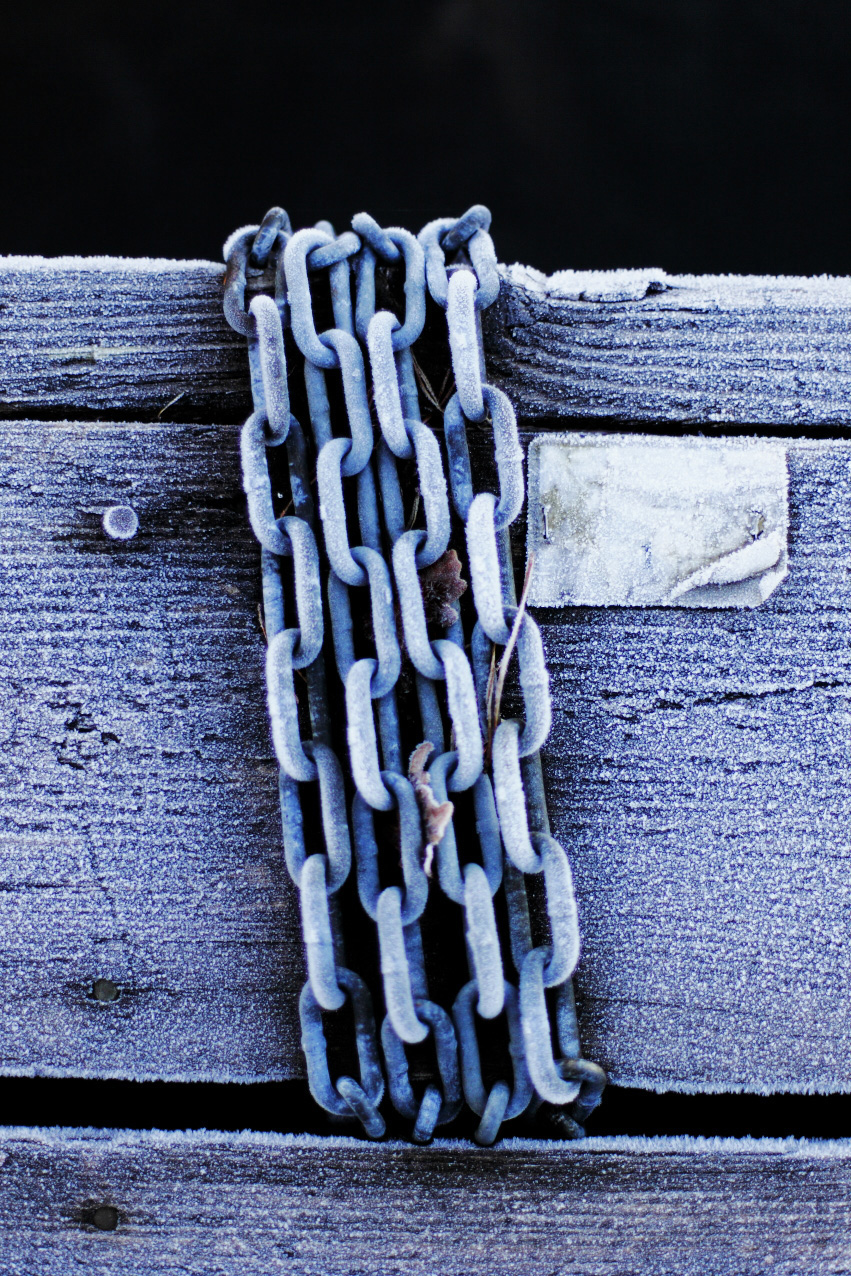
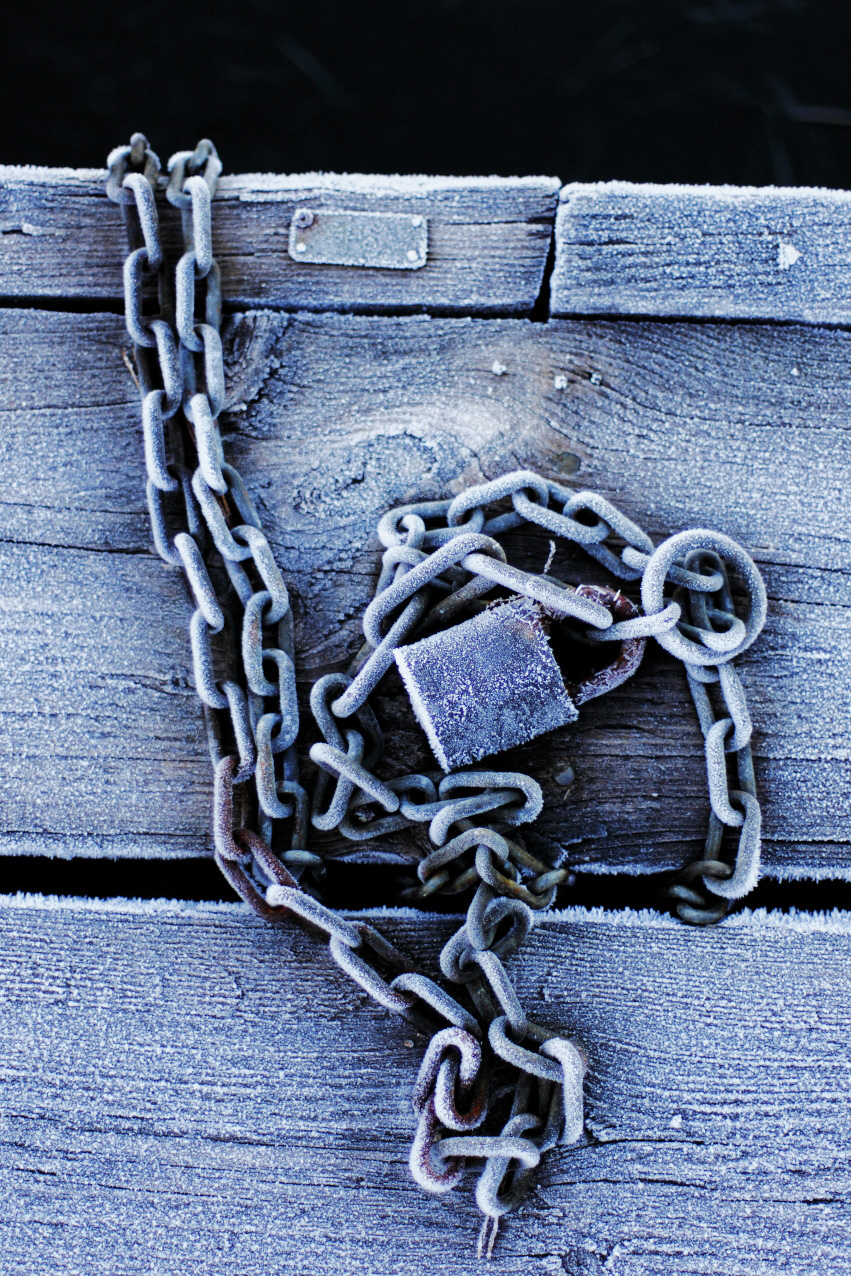
There used to be boats chained with these chains. In summertime.

IMG_7841 IMG_7845 IMG_7847 IMG_7849 IMG_7850😊  Pelle

More great urban photography

Once again I find amazing photography on the BBC newspage. This time”Urban photographer of the year”.

Enjoy!

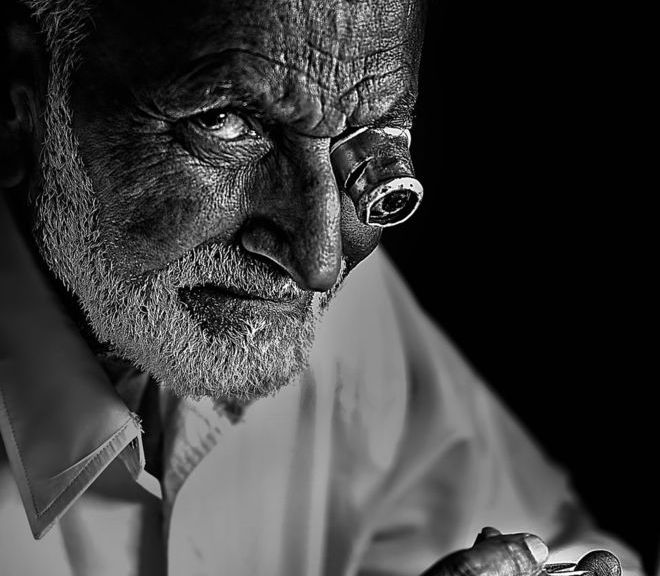
The portrait by Oscar Rialubin from the Philippines is called Xyclops.

Martin Samworth, chief executive of CBRE said: “The competition constantly provides us with new perspectives on working environments within cities. This year was no exception and Rialubin’s intimate portrait of a watch repairman gives insight into a universal trade. Urban life is constantly changing and the beauty of the competition is that it has captured this every year through the winning images.”

http://www.bbc.com/news/in-pictures-34548394

More horseracing, or dressed for success.

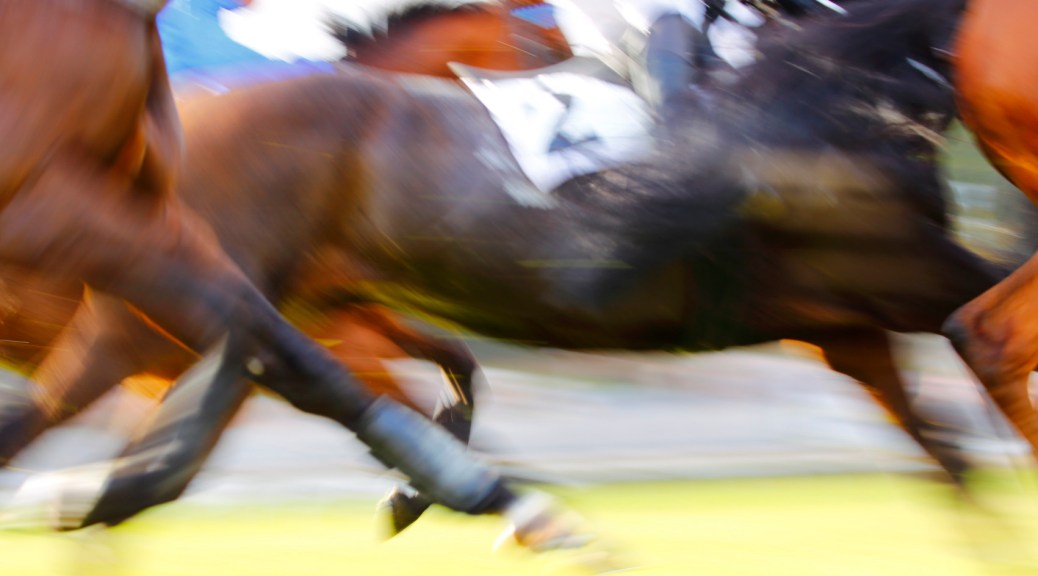
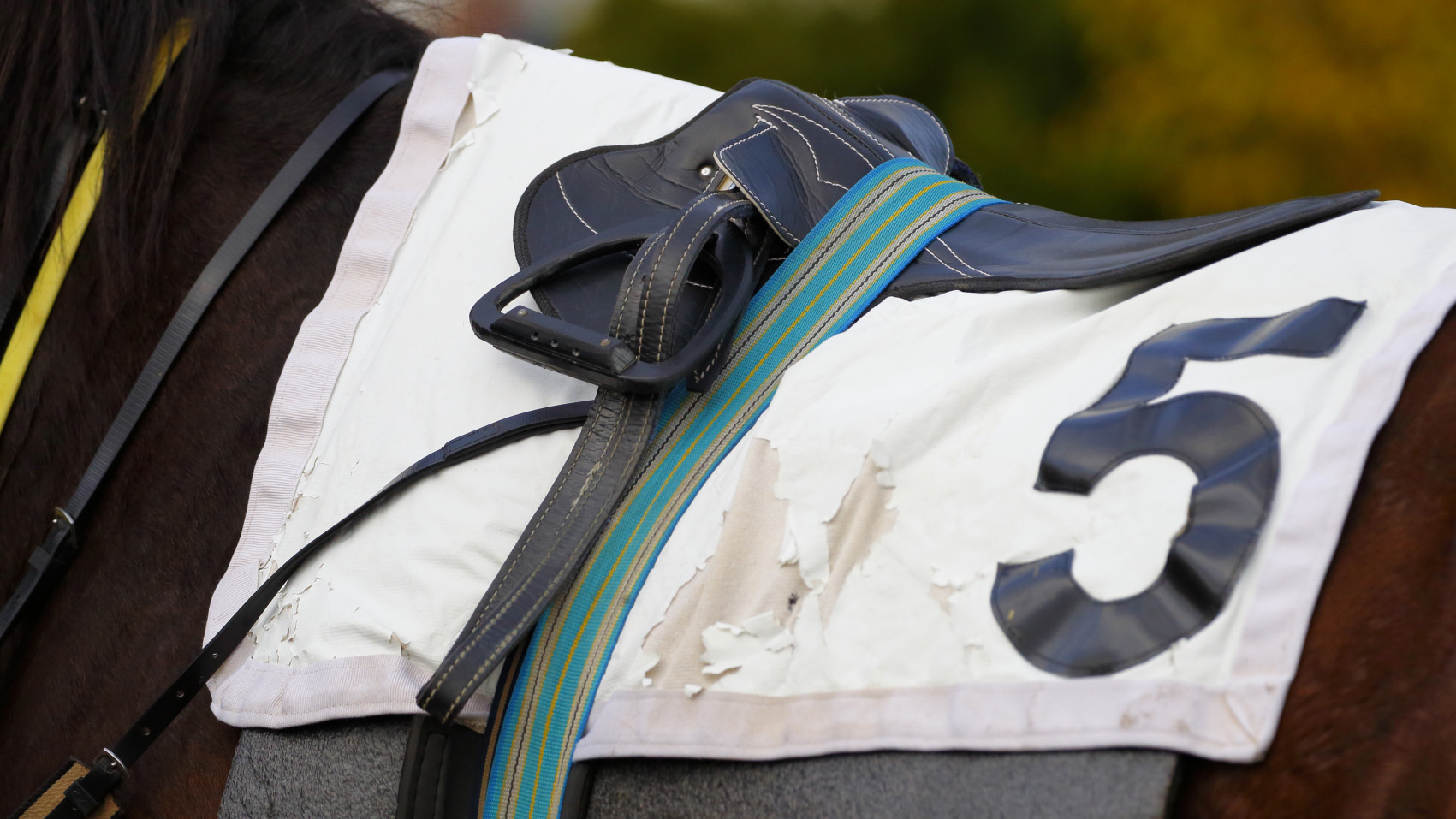
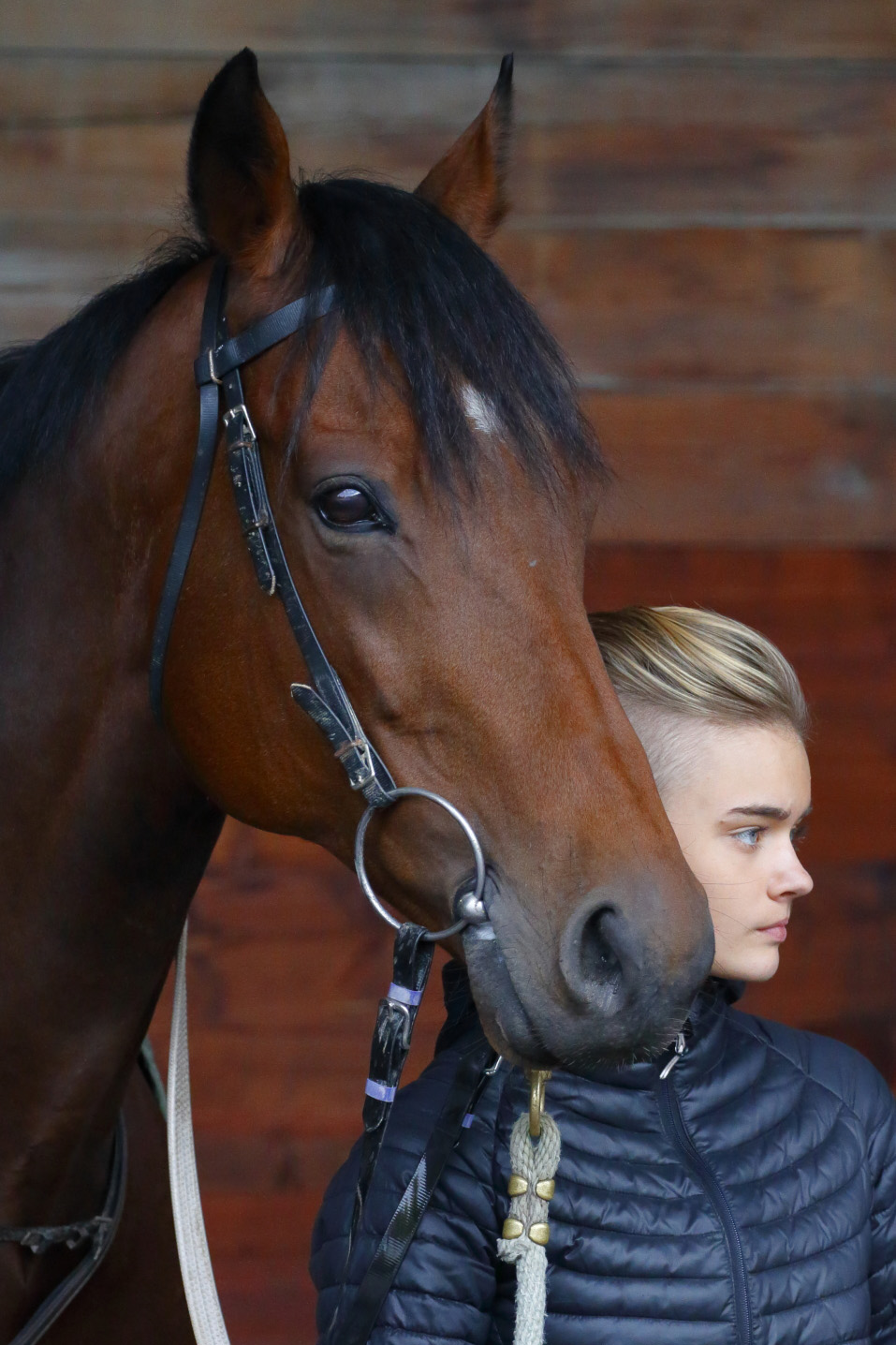
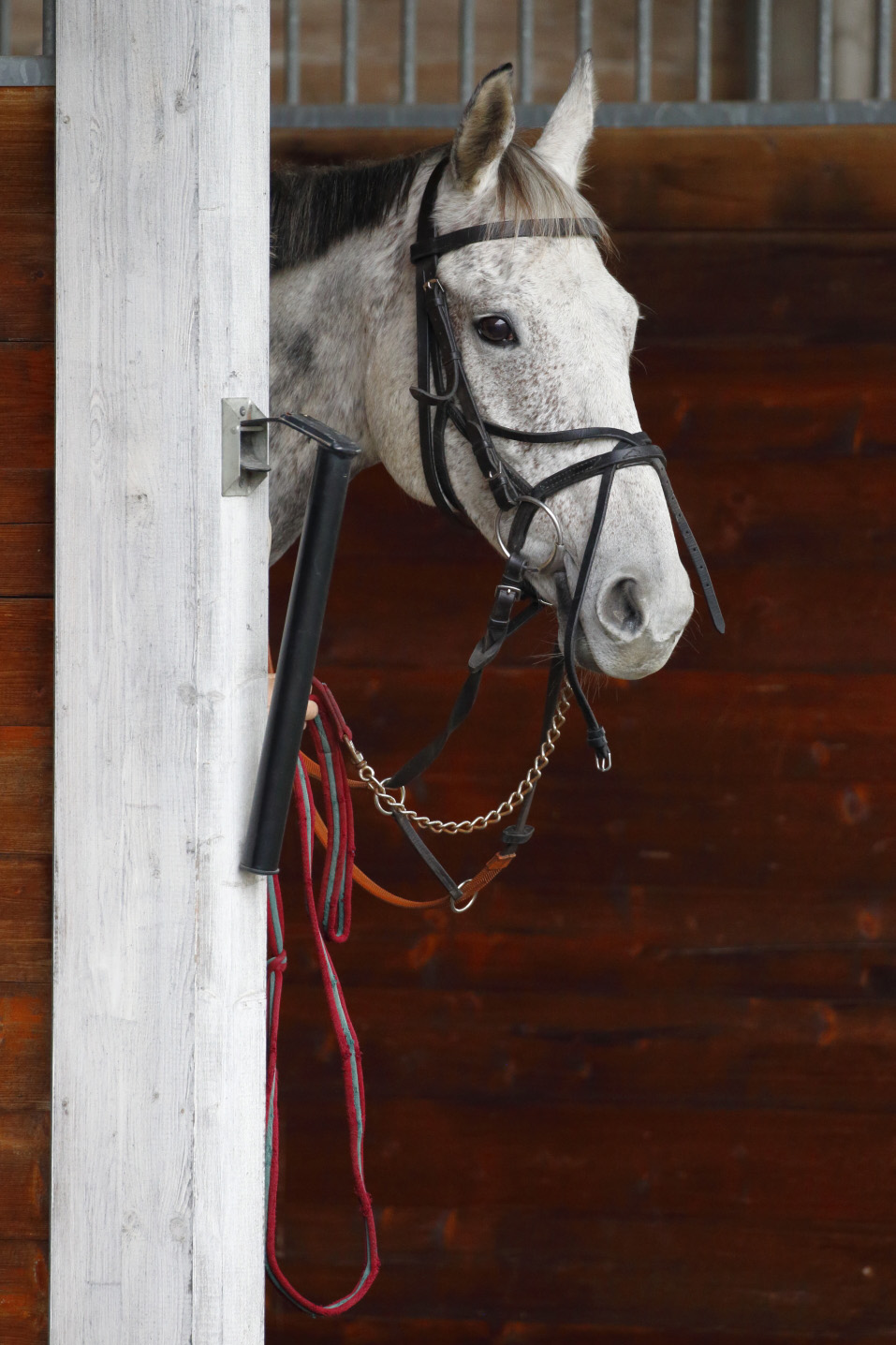
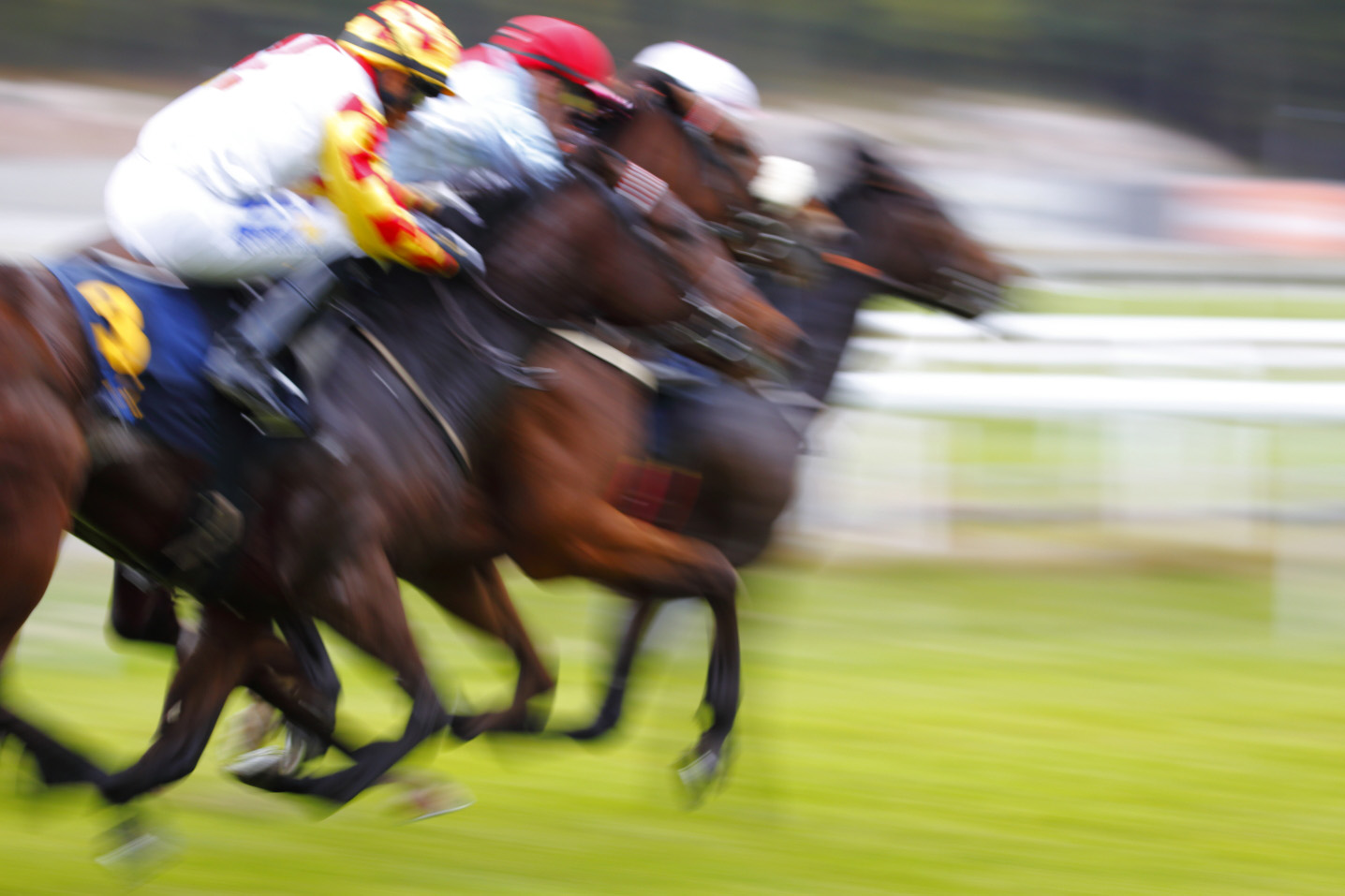
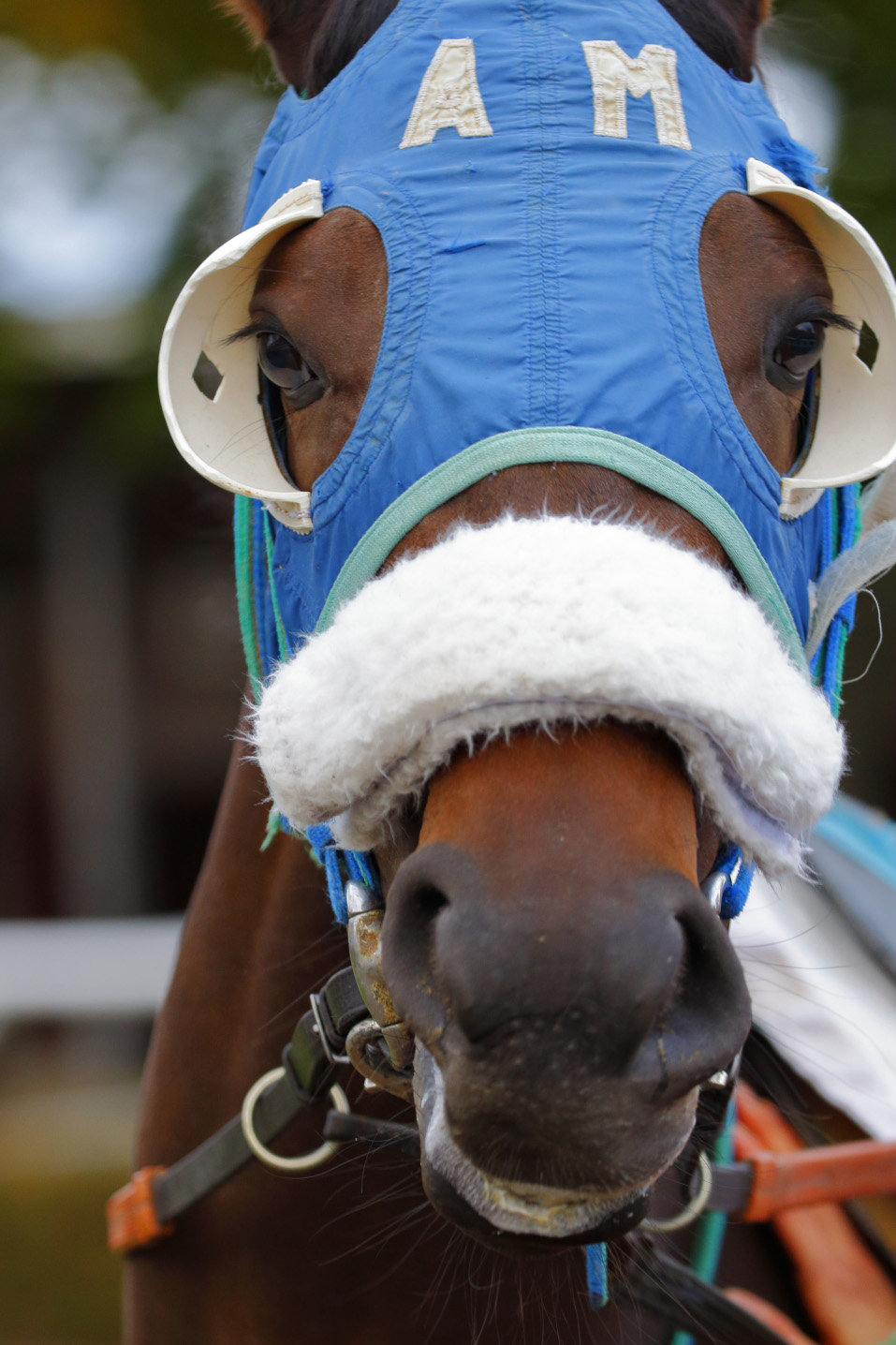
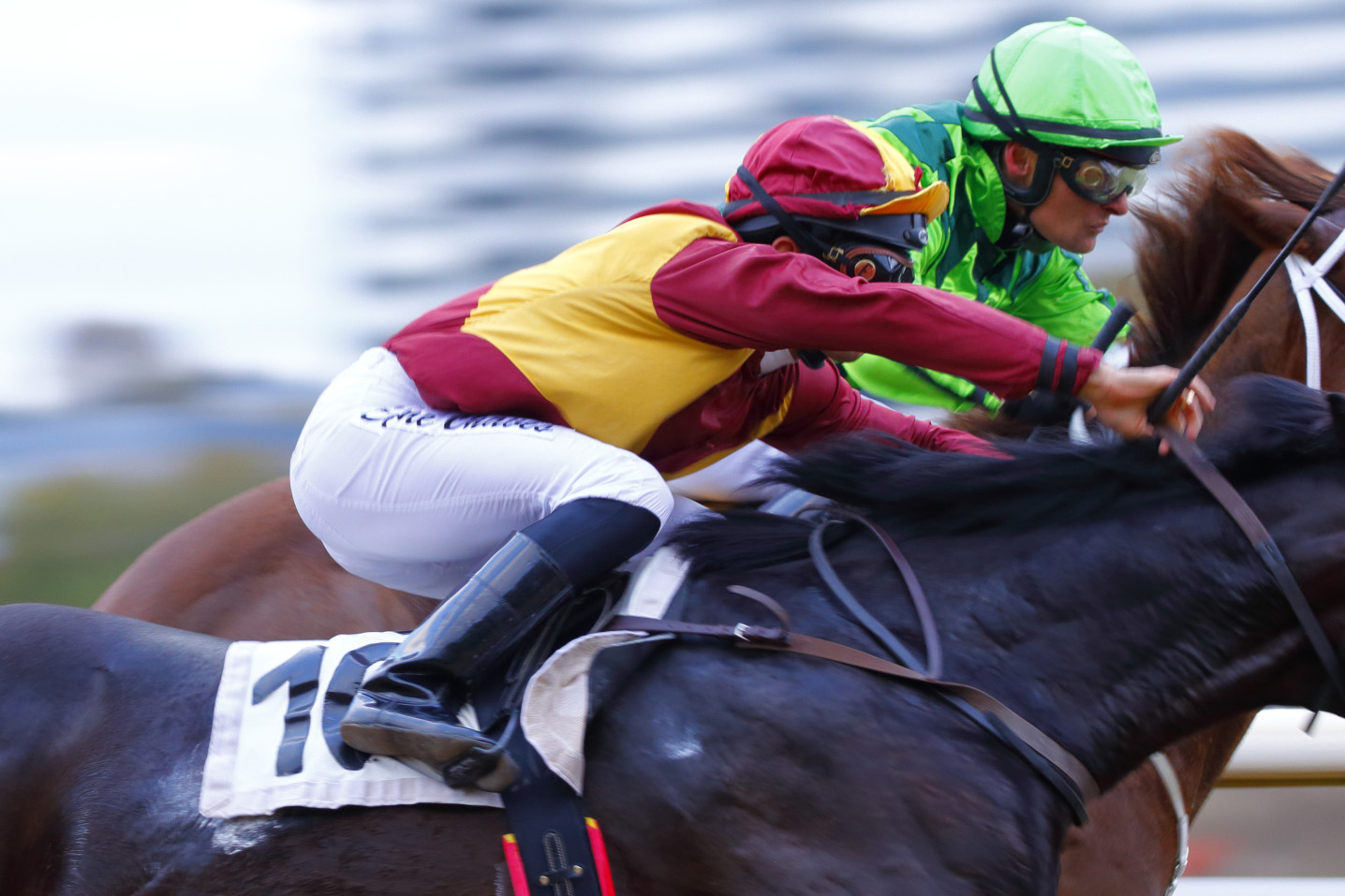
  Perhaps these pictures should be called “dressed for success”? Some horses has to be “dressed” so they can keep concentrated on running and nothing else on the side. Some are not especially fond of going into the start box. I have missed some races lately but happily I could go to the track yesterday. Horse racing is a sport for betting and for that you need computers. When they fail there is interruption. That happened yesterday. The horses were waiting and so were jockeys and audience. During that period I managed to get some portraits of owners and horses. I get more and more interested in the contact between jockeys and horses. The jockeys riding on several horses during a day has to know all the different personalities and know how to get the best from them. It is getting darker and colder. Next time I will put my heavy boots on.© Per Erik Berglund_MG_6494 © Per Erik Berglund_MG_6650 © Per Erik Berglund_MG_6704 © Per Erik Berglund_MG_6715 © Per Erik Berglund_MG_6733 © Per Erik Berglund_MG_6740 © Per Erik Berglund_MG_6742 © Per Erik Berglund_MG_6763 © Per Erik Berglund_MG_6898 © Per Erik Berglund_MG_6928 © Per Erik Berglund_MG_7063 © Per Erik Berglund_MG_7114 © Per Erik Berglund_MG_7163 © Per Erik Berglund_MG_7300 © Per Erik Berglund_MG_7339When they are not running on grass it is called dirt track. You see why.    😊   Pelle

Our share of dyslexia

This is something totally different from what I have written about here on my blog earlier.

Our son ( sun 😊 ) has dyslexia. A teacher noted that he had some problems reading and writing and he made tests for it. This was many years ago now. The tests confirmed that he had dyslexia. Good, the challenge was confirmed. He got all the different data programs the school had to help him, but he never liked to use them. He struggled on but he just wanted to be like the others that didn´t have dyslexia. It was possible for him to have more time for his examinations, and to go to a special room and sit together with others with the same challenge. That he used. As much as possible we try to help. Sometimes we read and record texts that he has to work on so he can listen instead of reading. I remember that he has never had any trouble making himself understood and he has always been the wordbook in his classes. Always good at words and their meanings. Good to express himself and to argue. I came to think of all this when I found this article by

http://www.theguardian.com/commentisfree/2015/oct/02/young-dyslexic-children-creative

My wife and I have never considered this a problem. We have always called it a challenge, and a challenge it is. But as it is so well written in the article there are ways to come around it and people with dyslexia always come up with solutions. Now our son studies in another country but there are ways to help through the internet. A friend of ours remembered that at the time their daughter studied abroad it did cost a fortune to make a phone call. Now it doesn´t and we are very happy about that.

He will not be a architect, but I am sure that he will find his way in life.

Writing this I had my own difficulties of finding the words, spelling right and pull it all together.

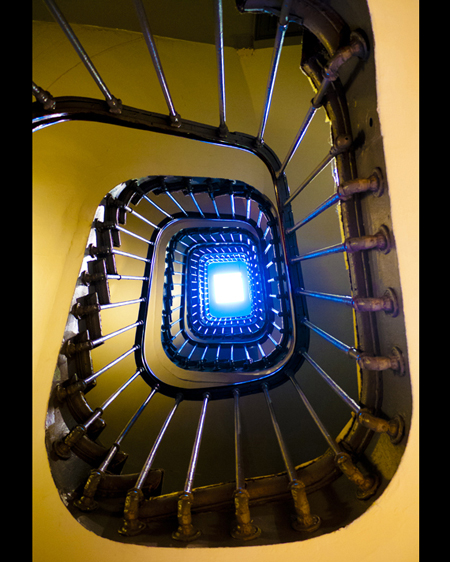
Paris hotel
Paris hotel
MG_7836_Perpignan
Perpignan, France
7651_Dörrknoppar
Door knob, Perpignan, France

😊 Pelle

Happy or sad?

There are photographs for everyone. If you are happy or sad, or if you like to be. This is a selection from The Guardian showing “The weekend in pictures.”

http://gu.com/p/4cnvx/sbl

They will make you sad, happy, interested, shocked, or anythin else that photography always brings out in us. They will tell us the state of the world. At large, or in small. Near or far.

Featured image:

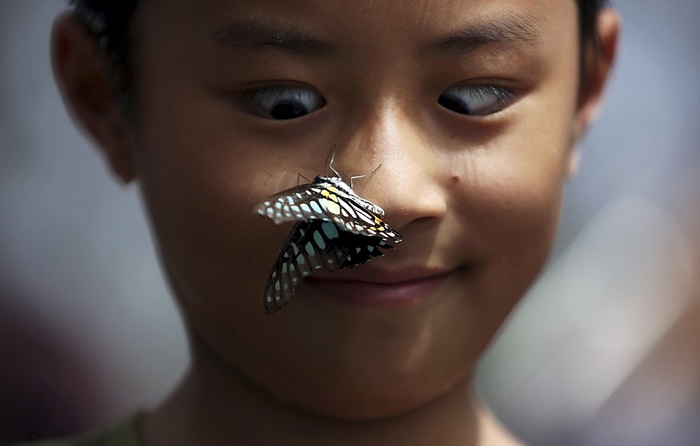
A butterfly perches on a boy’s face at a butterfly exhibition. Photograph: China Stringer Network/Reuters

😊 Pelle