Believe me, without images to catch your interest…
😊 Pelle

Believe me, without images to catch your interest…
😊 Pelle
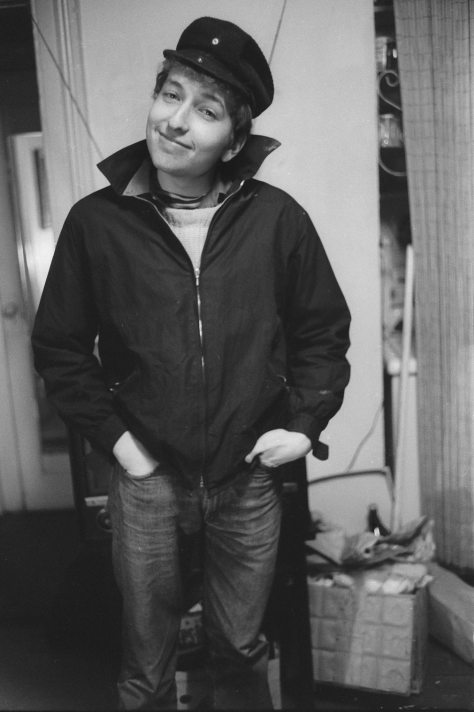
Great to see these images from a young Bod Dylan! I was happy to attend his first concert here in Stockholm last Saturday after that he received The Nobel price. A great concert by a great artist. He has changd his hat. 😊 Pelle
As Bob Dylan accepts his Nobel prize for literature this weekend, an exhibition of photographs of him on the cusp of international fame is planned to open in New York. The photographer Ted Russell first met Dylan in 1961 and his intimate pictures of Dylan performing, and at home, are the subject of a show at the Steven Kasher Gallery featuring dozens of images never before seen in the city. Bob Dylan NYC 1961–1964 opens on 20 April and will run until 3 June.
https://www.theguardian.com/music/gallery/2017/apr/01/portraits-of-a-young-bob-dylan-in-pictures
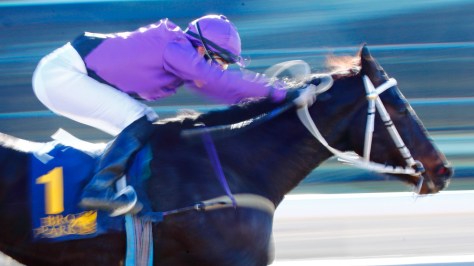
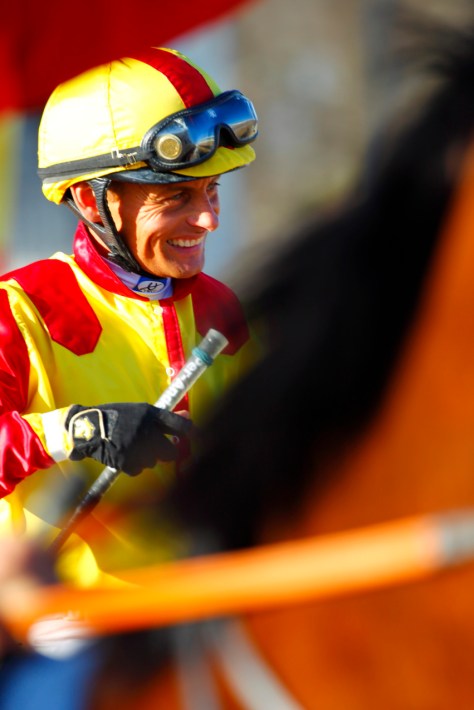
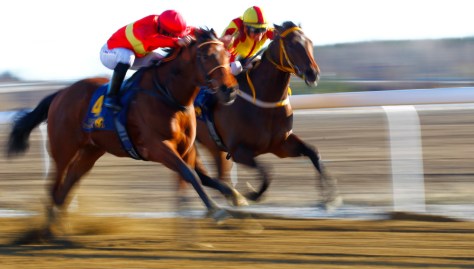
Yes they are. And the sun was shining. The horses were racing and I felt rusty. Here is however today’s selection. That said, I think the spring is here. Finally. As always I get my surprises back in the studio.
😊 Pelle







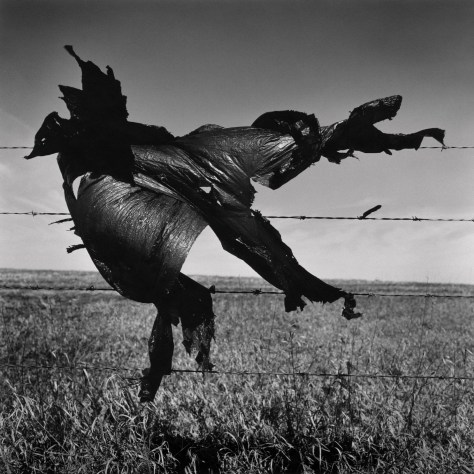
Simple, beautiful and emotional. There are still great ideas and photographs out there just waiting to be made. 😊 Pelle
© Wes Bell, and the article was found in The Washington Post.
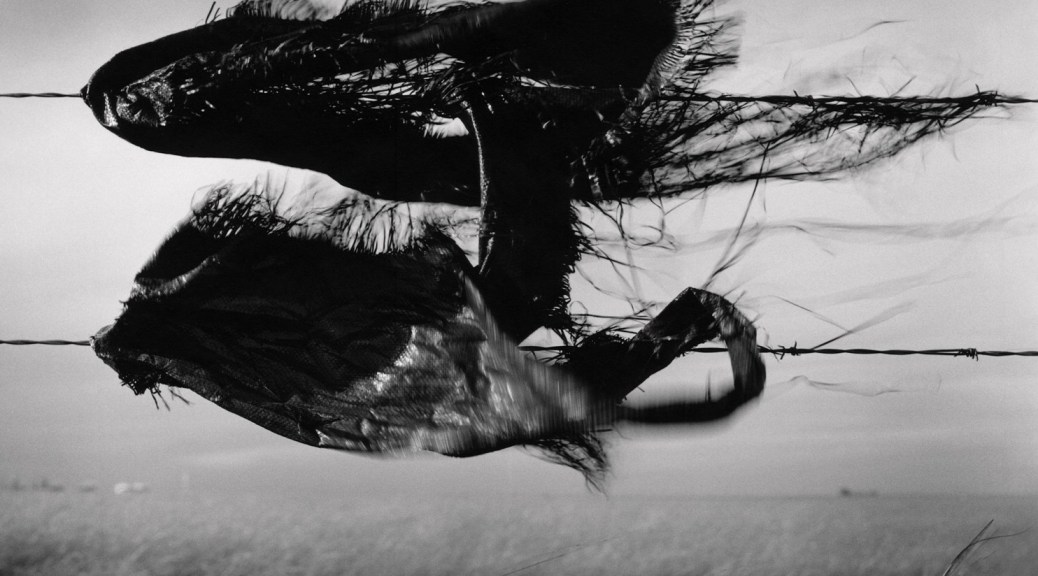
Wes Bell’s series “Snag,” inspired by the death of his mother, takes a beautiful and simple idea and infuses an ordinary scene with great emotional power. There is beauty, loss and poetry in every frame. After 20 years in New York working as an international fashion photographer, Bell returned to his birthplace and to fine-art photography in Alberta, Canada.
In describing this work, Bell said: “Three years ago, I was leaving for the airport after saying goodbye to my mother. She was dying of cancer. On the long drive across the Alberta prairie, I found myself distracted by flapping remnants of plastic bags, caught in barbed-wire fences that lined the ditches. Whipped violently by the wind, they were left shredded and lacerated, but trapped nonetheless in the no man’s land of boundary fences, neither here nor there. Thinking about mortality, pain and death in the context of my mother’s terminal illness, these forgotten shreds of plastic took on a deeper significance — Snag.”
Loss and remembrance are universal, and Bell makes feeling those emotions accessible and visible.


More shots from above, but this time not so high up. The drones has gotten us into thinking in new patterns. The article from Washington Post. 😊 Pelle

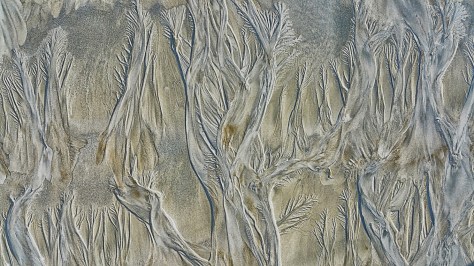

Photographer Joseph Philipson saw more than just cuts in the sand on the shores of Long Beach, Calif. He saw the “code that constructs our visual reality,” or the mathematical phenomenon of fractals, mathematical sets that show a repeating pattern at every scale. In nature, fractals can be seen not only on coastlines but also river systems, blood vessels and crystals, to name a few. Philipson noted to In Sight that his images could be “massive landscapes, deep valleys, canyons … it’s a trick of the eye but I’m really only maybe five feet over.”
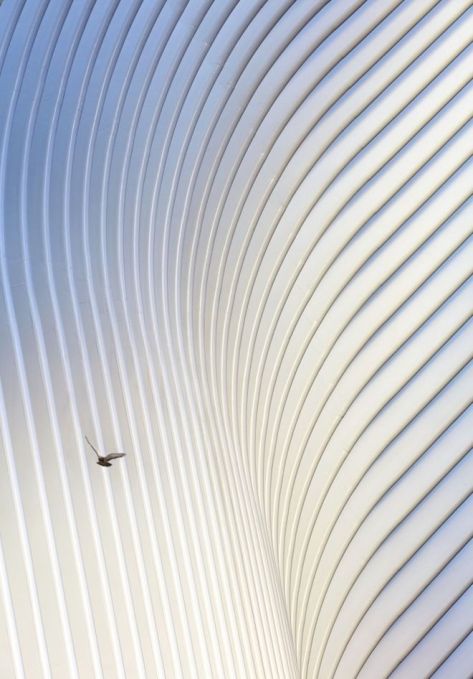
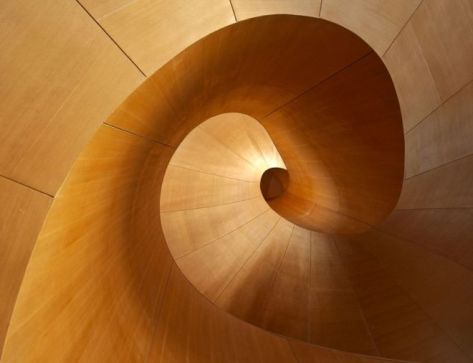
A small group of photographers have turned their lenses on the urban landscape, seeking to capture the beauty of the architecture around us.
The images explore the idea of sacred geometries, the perfect mix of proportion and mathematical ratios that are pleasing to the eye and a reflection of those found in nature.
The pictures can be seen at the Anise Gallery in London until 15 April 2017.
I saw this in BBC, In Pictures.
😊 Pelle

I´d like to go to Australia! Ladies and gentlemen I give you Josh Smith. 😊 Pelle
“The end game for me is producing these series as fine art”.
© all photographs Josh Smith. Article in BBC.
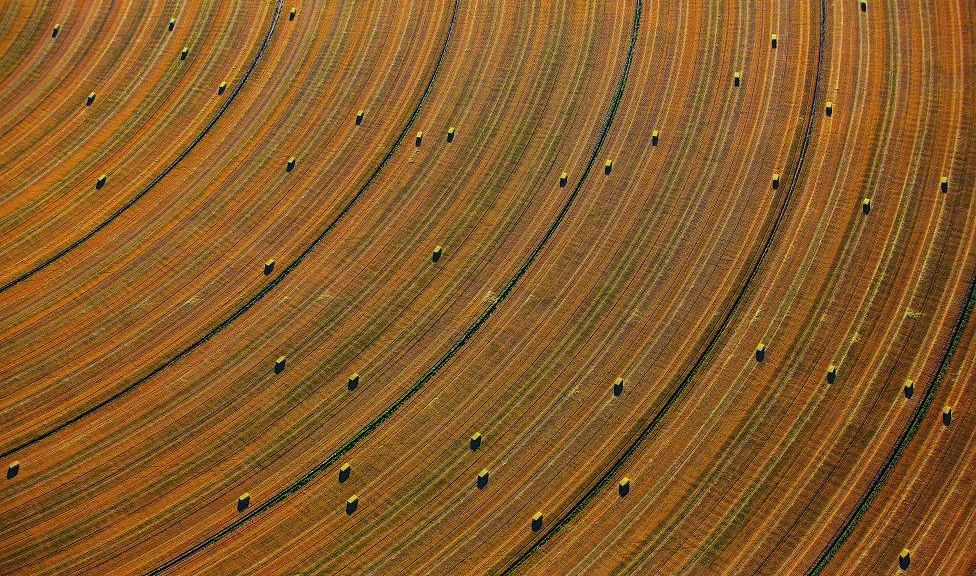
Flying high above farmland, photographer Josh Smith captures colours and patterns not usually associated with rural Australia.
http://www.bbc.com/news/world-australia-38888453
 His often abstract images feature subjects like machinery sculpting lines into a vast frame.
 His often abstract images feature subjects like machinery sculpting lines into a vast frame.
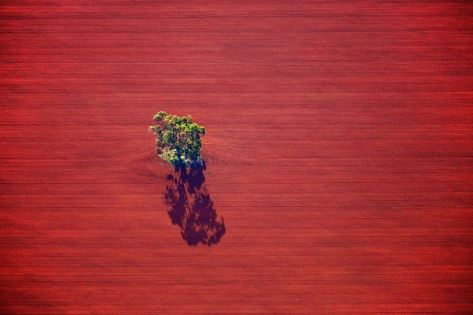 It was a hobby until 2011, when his aerial shots of floods in Queensland and New South Wales were featured in a major newspaper.
 So he took to the skies, hoping to draw attention to how food and clothing is produced.
 “Here in Australia, we’ve got farmers producing the highest quality produce anywhere in the world,” he said.
Please like if you like, 😉 Pelle
It sometimes happens that you see photographs that you wished you had done yourself. For me, like these. The gloves I have made, but not the other. I like this. It is colorful, playful and provokes a thought about our consumption society.
‘It is not just previous things that are the material means of carrying a memory. It is this truth that Haygarth so engagingly and deftly explores and celebrates, and to which he offers a kind of requiem’
Stuart Haygarth walked from Kent to Land’s End, picking up the trash he found on beaches – and arranged it into collections that show us how weird the ordinary objects in our lives can be.

Initially using a trolley that stuck too easily in the Kent mud, Haygarth switched to carrying his treasure in a rucksack. Walking near Broadstairs, he says, ‘I stumbled across a long pink plastic penis wedged in between some rocks on the cliff face. It turned out to be a novelty straw, which made me smile and feel like an archaeologist discovering an ancient drinking implement’

In an essay about Haygarth’s work, Design Museum director Deyan Sudjic speaks grandly of his project: ‘The impulse to collect is universal, and it goes to the roots of what it is to be human … We collect in search of order and meaning, and sometimes to signal our distress or to console us in our inability to deal with daily life’
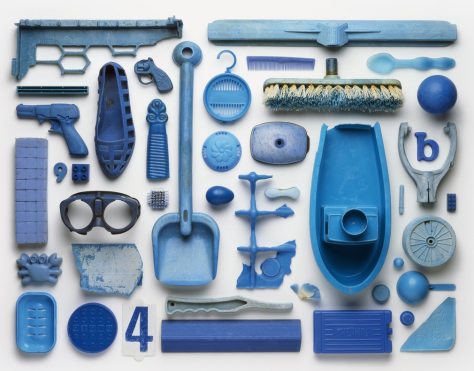
In his book Strand – the Old English and German word for beach – artist Stuart Haygarth presents photographs of synthetic flotsam that he collected from England’s shoreline, and arranged in neat configurations, creating a taxonomy of trash• Strand by Stuart Haygarth is published by Art/Books
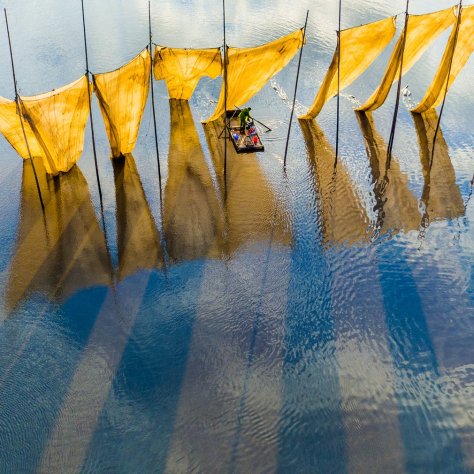
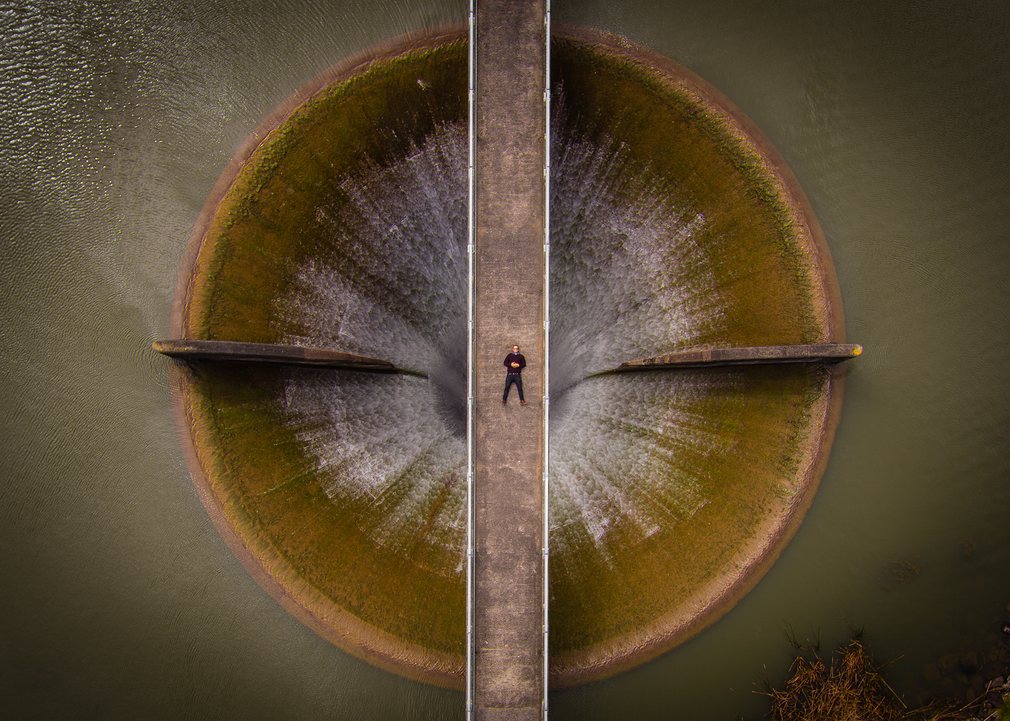
Here is another set of drone photography. One perhaps considered as a selfie. Nature from above is often very graphical and beautiful. Just look at these images. Hmmm, just thinking, how many are falling from the sky?
Aerial photography platform SkyPixel received 27,000 entries to its 2016 competition. Here are the winning shots plus some of The Guardians favourites. SkyPixel’s competition was open to both professional and amateur photographers and was split into three categories: Beauty, 360, and Drones in Use.
Photograph: Hanbing Wang/SkyPixel
Photograph: Ge Zheng/Ge Zheng/SkyPixel
Photograph: Brendon Dixon/SkyPixel

Photograph: SkyPixel
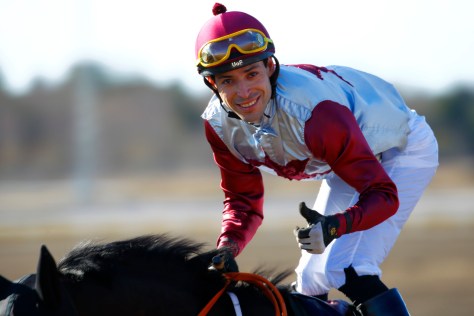
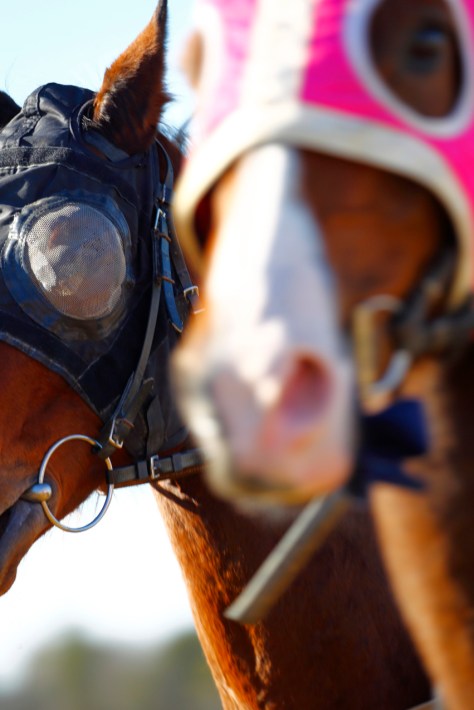
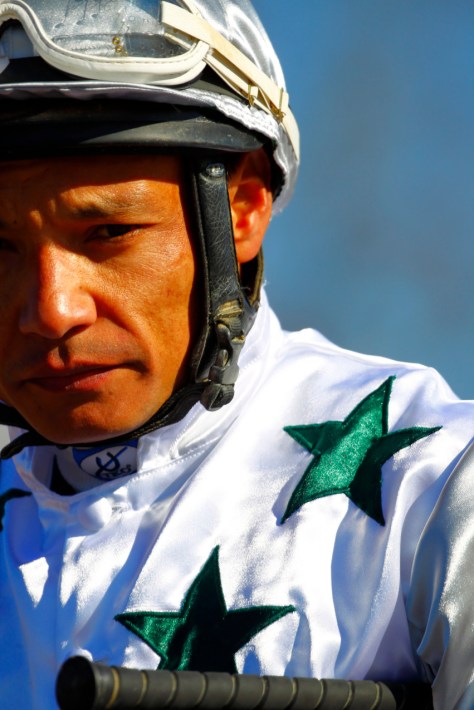
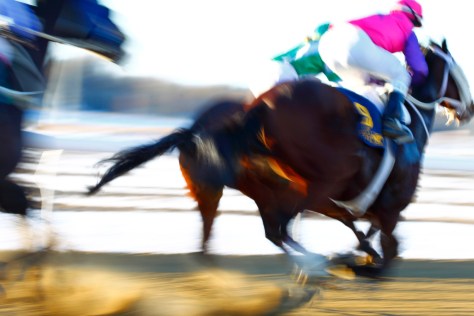
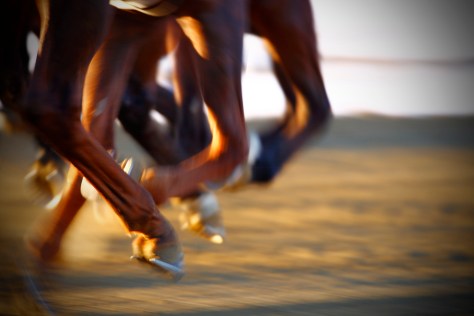
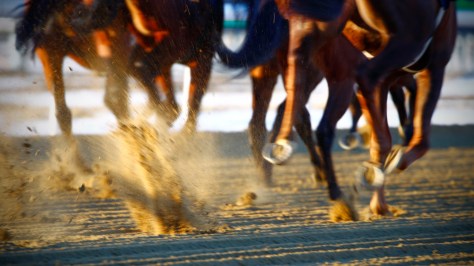
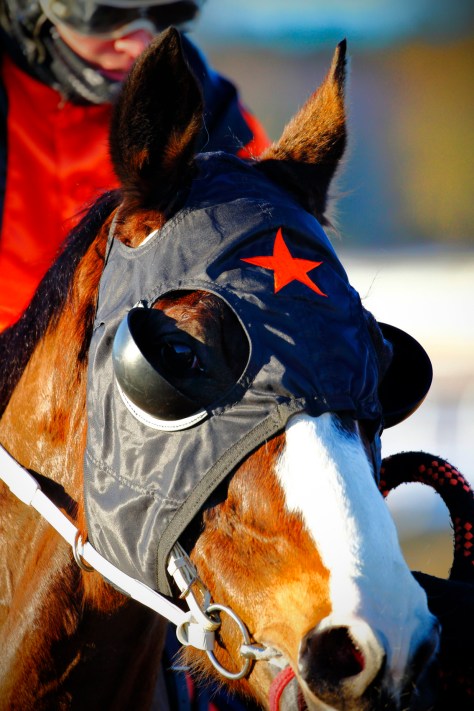
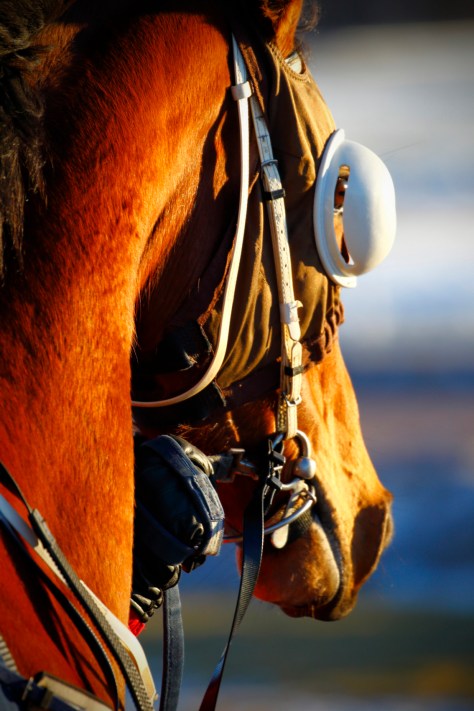
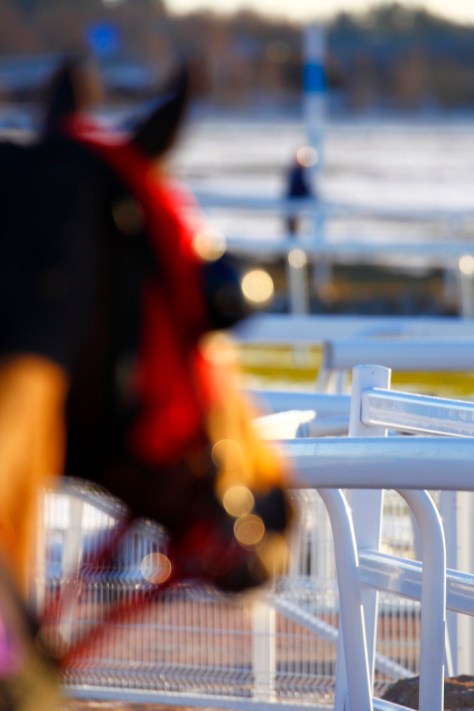
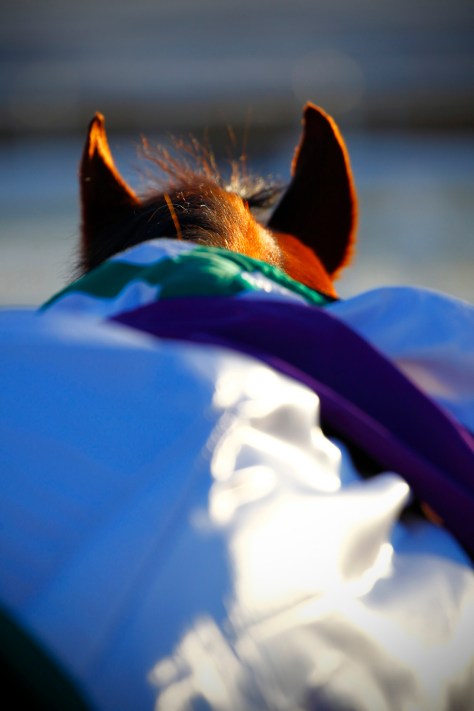
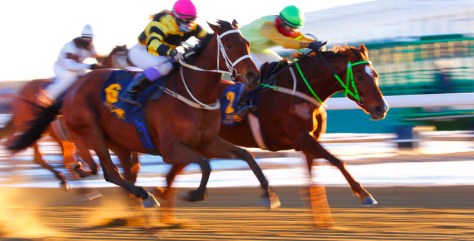
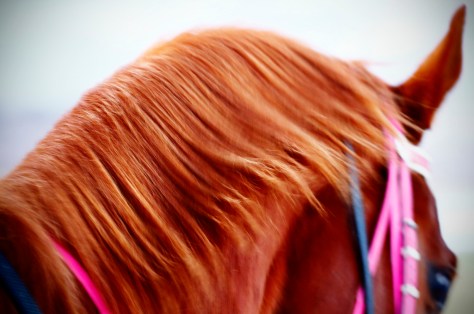
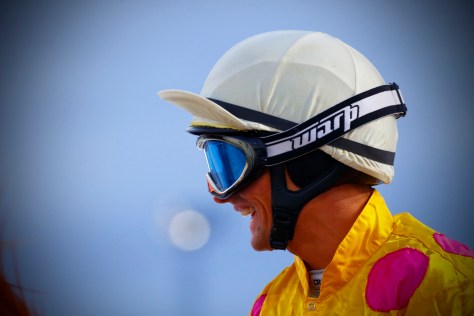
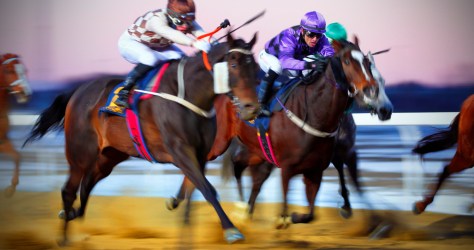
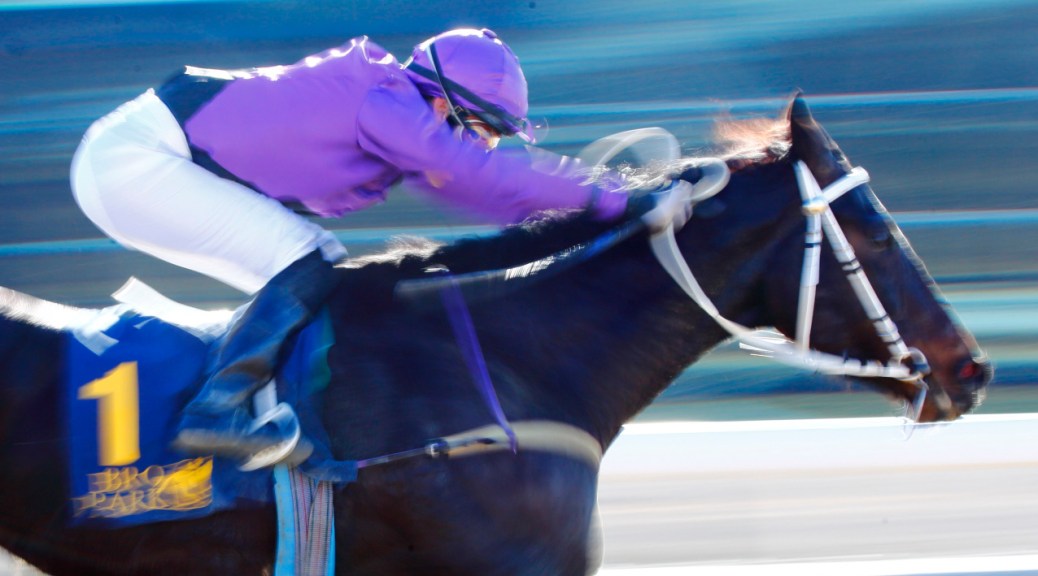
After a long absence from the race track, I was back yesterday at Bro Park to photograph horse racing again. This is not Abu Dhabi or some other warm place, this is Sweden in the middle of our winter. Degrees below zero and freezing cold for the jockeys. Imagine sitting on a horse in full speed with as light gear and clothes as possible. What the horses think I don´t know. Here is my collection of images from yesterdays competitions.
😊🏇😊 Pelle










 On a photographers mind