Believe me, without images to catch your interest…
😊 Pelle
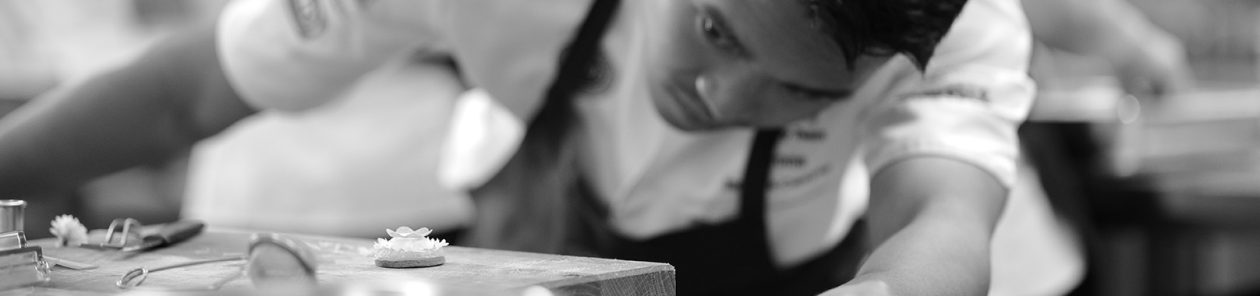
Believe me, without images to catch your interest…
😊 Pelle
Magnum has always been, and is always great photography by great photographers. Oh, there are SO MANY exhibitions I would like to see…
I found this in The Guardian.
😊 Pelle
As part of its 70th anniversary program, Magnum Photos is holding an exhibition of photographs taken in New York City during the early years of the agency, from 1947 to 1960. The show includes classic images from their archive, as well as pictures from their New York office. Early Magnum In & On New York is at the National Arts Club Grand Gallery until 29 April, can be viewed online and prints purchased through Magnum.
Image at the top:
Photographers Elliott Erwitt and Henri Cartier-Bresson, 1959
Photograph: Marc Riboud/Magnum Photos

New York, 1955
Photograph: Elliott Erwitt/Magnum Photos
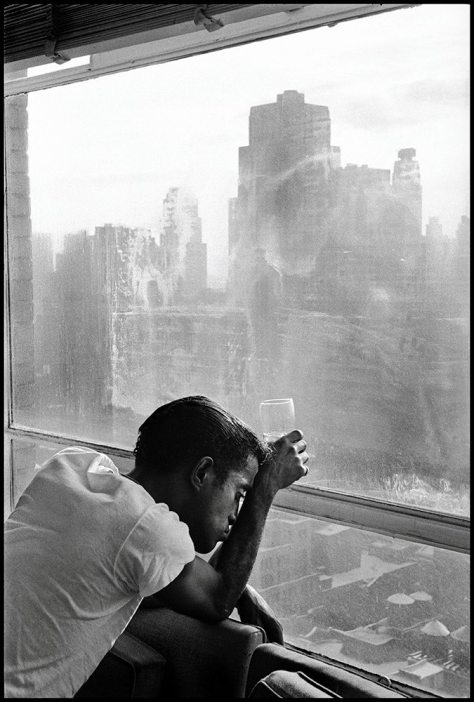
Sammy Davis Jr looks out a Manhattan window, 1959
Photograph: Burt Glinn/Magnum
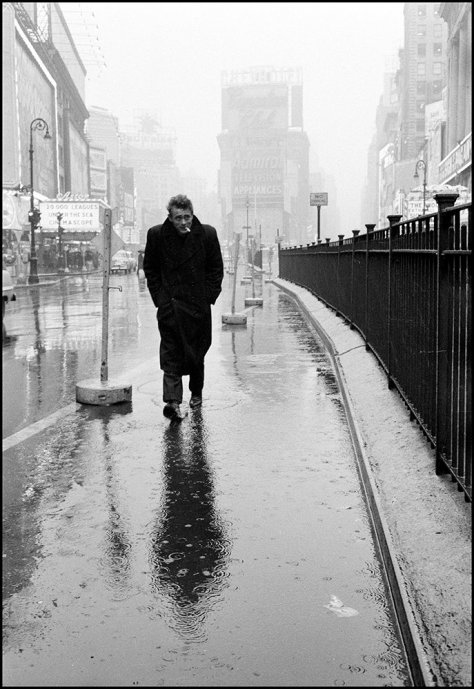
James Dean in Times Square, 1955
Photograph: Dennis Stock/Magnum Photos
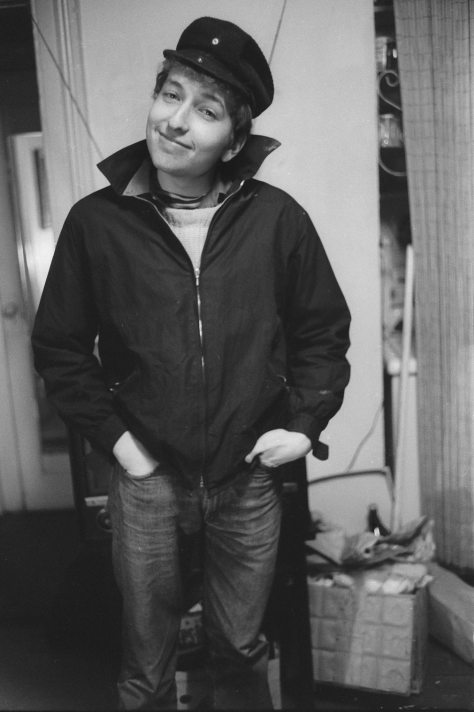
Great to see these images from a young Bod Dylan! I was happy to attend his first concert here in Stockholm last Saturday after that he received The Nobel price. A great concert by a great artist. He has changd his hat. 😊 Pelle
As Bob Dylan accepts his Nobel prize for literature this weekend, an exhibition of photographs of him on the cusp of international fame is planned to open in New York. The photographer Ted Russell first met Dylan in 1961 and his intimate pictures of Dylan performing, and at home, are the subject of a show at the Steven Kasher Gallery featuring dozens of images never before seen in the city. Bob Dylan NYC 1961–1964 opens on 20 April and will run until 3 June.
https://www.theguardian.com/music/gallery/2017/apr/01/portraits-of-a-young-bob-dylan-in-pictures
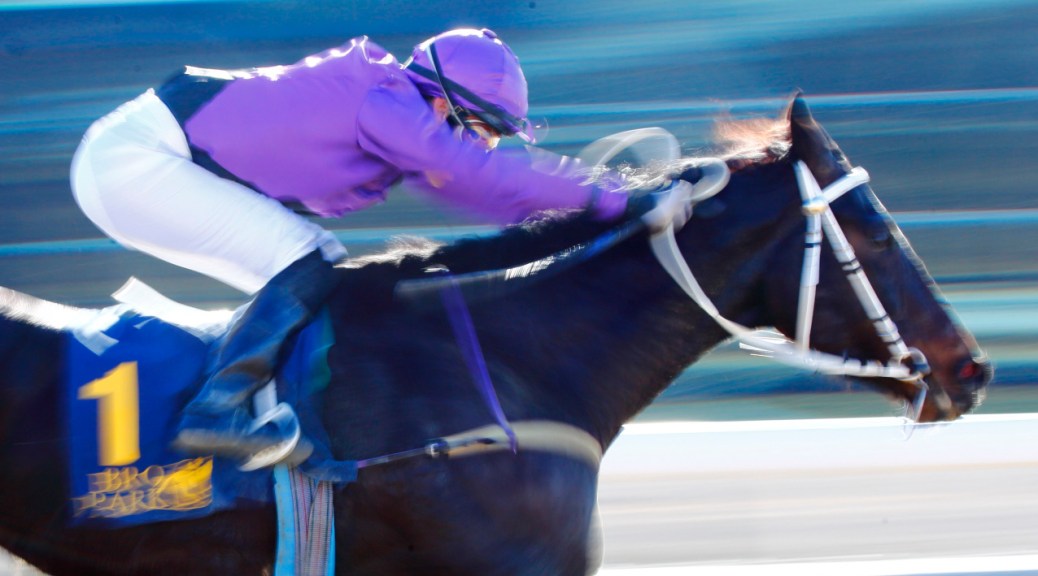
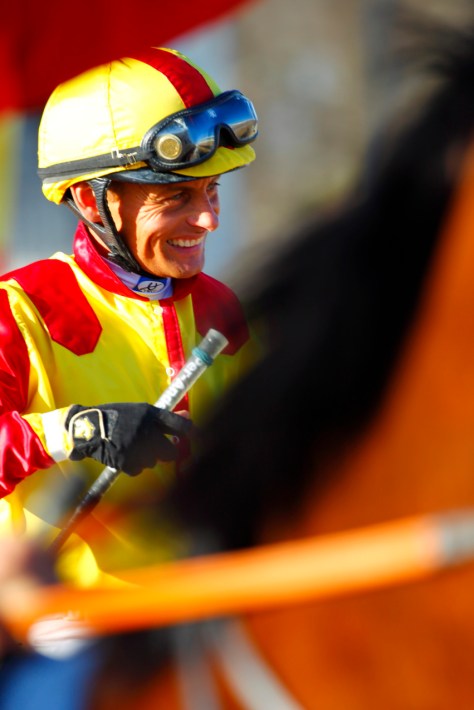
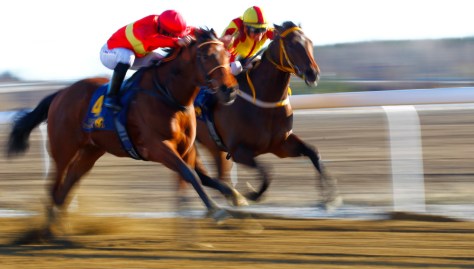
Yes they are. And the sun was shining. The horses were racing and I felt rusty. Here is however today’s selection. That said, I think the spring is here. Finally. As always I get my surprises back in the studio.
😊 Pelle

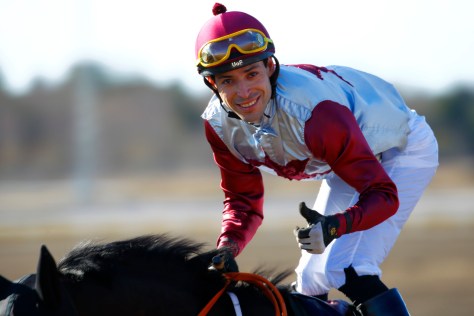
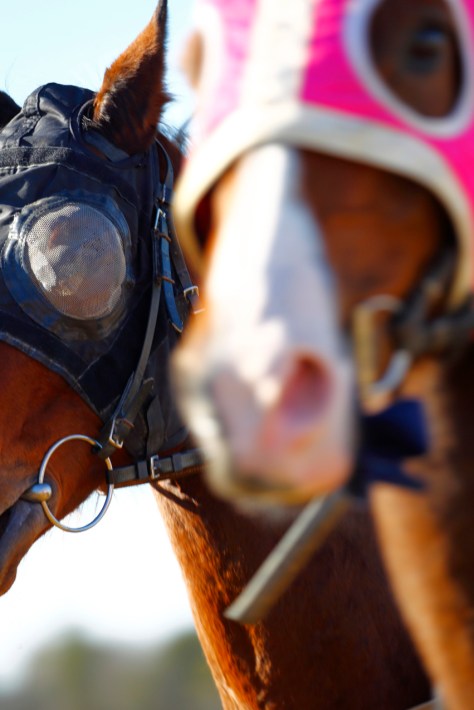


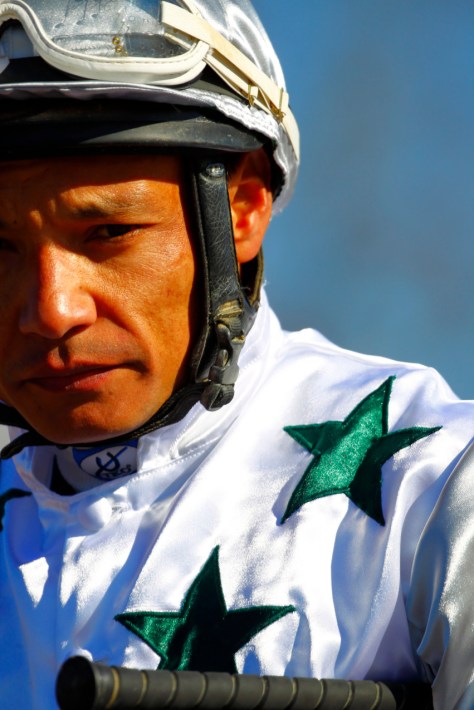
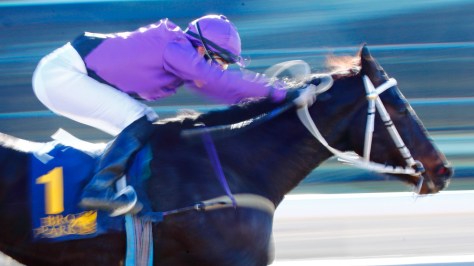




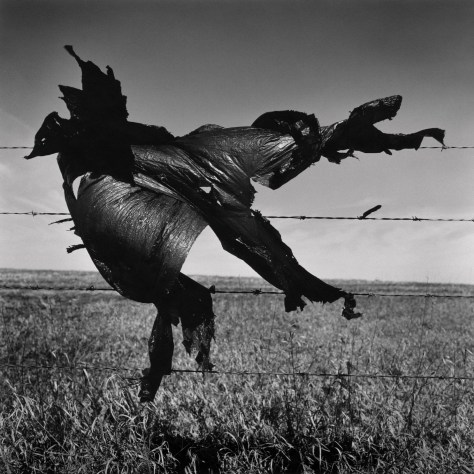
Simple, beautiful and emotional. There are still great ideas and photographs out there just waiting to be made. 😊 Pelle
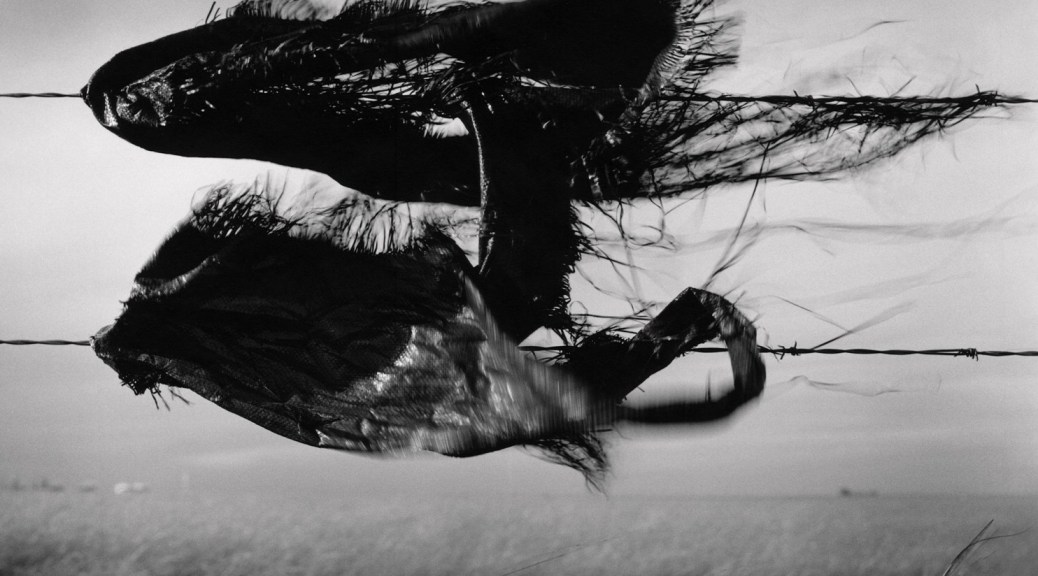
© Wes Bell, and the article was found in The Washington Post.
Wes Bell’s series “Snag,” inspired by the death of his mother, takes a beautiful and simple idea and infuses an ordinary scene with great emotional power. There is beauty, loss and poetry in every frame. After 20 years in New York working as an international fashion photographer, Bell returned to his birthplace and to fine-art photography in Alberta, Canada.
In describing this work, Bell said: “Three years ago, I was leaving for the airport after saying goodbye to my mother. She was dying of cancer. On the long drive across the Alberta prairie, I found myself distracted by flapping remnants of plastic bags, caught in barbed-wire fences that lined the ditches. Whipped violently by the wind, they were left shredded and lacerated, but trapped nonetheless in the no man’s land of boundary fences, neither here nor there. Thinking about mortality, pain and death in the context of my mother’s terminal illness, these forgotten shreds of plastic took on a deeper significance — Snag.”
Loss and remembrance are universal, and Bell makes feeling those emotions accessible and visible.


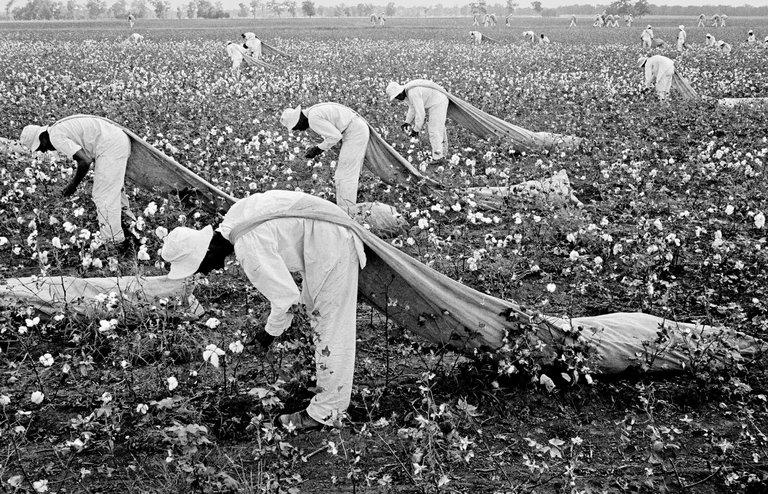
Interesting read from NY Times written by Teju Cole. Teju Cole is the magazine’s photography critic and the author, most recently, of the essay collection “Known and Strange Things.” Read more in the full article!
Images make us think of other images. Photographs remind us of other photographs, and perhaps only the earliest photographs had a chance to evade this fate. But soon after the invention of photography, the world was full of photographs, and newly made photographs could not avoid semantic contamination. Each photograph came to seem like a quotation from the great archive of photographs. Even the earliest photographs are themselves now burdened by this reality, because when we look at them, we do so in the knowledge of everything that came after. All images, regardless of the date of their creation, exist simultaneously and are pressed into service to help us make sense of other images. This suggests a possible approach to photography criticism: a river of interconnected images wordlessly but fluently commenting on one another.
A photograph can’t help taming what it shows. We are accustomed to speaking about photographs as though they were identical to their subject matter. But photographs are also pictures — organized forms on a two-dimensional surface — and they are part of the history of pictures. A picture of something terrible will always be caught between two worlds: the world of “something terrible,” which might shock us or move us to a moral response, and the world of “a picture,” which generates an aesthetic response. The dazzle of art and the bitterness of life are yoked to each other. There is no escape.
More shots from above, but this time not so high up. The drones has gotten us into thinking in new patterns. The article from Washington Post. 😊 Pelle

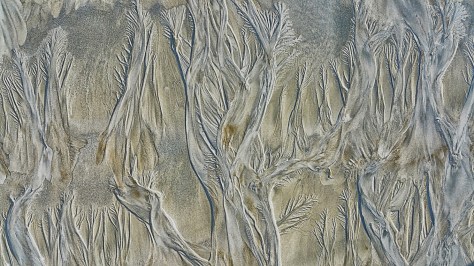

Photographer Joseph Philipson saw more than just cuts in the sand on the shores of Long Beach, Calif. He saw the “code that constructs our visual reality,” or the mathematical phenomenon of fractals, mathematical sets that show a repeating pattern at every scale. In nature, fractals can be seen not only on coastlines but also river systems, blood vessels and crystals, to name a few. Philipson noted to In Sight that his images could be “massive landscapes, deep valleys, canyons … it’s a trick of the eye but I’m really only maybe five feet over.”
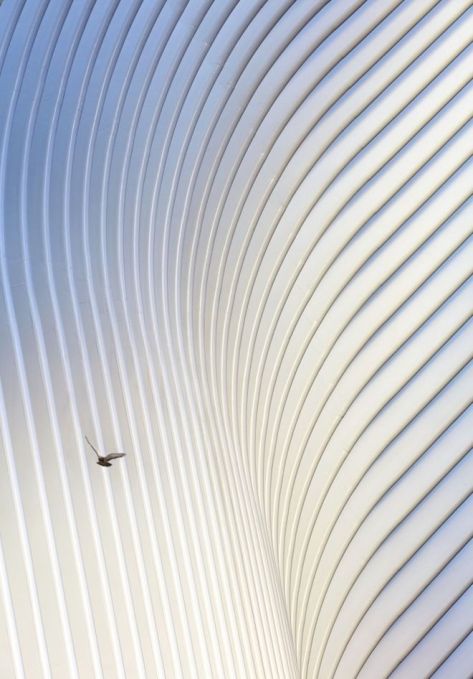
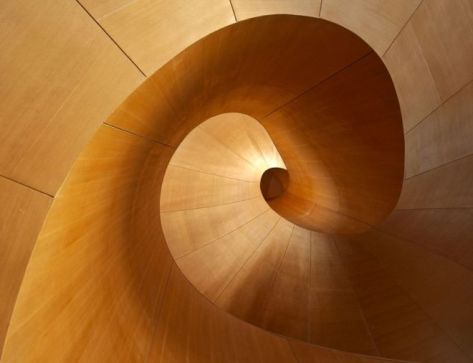
A small group of photographers have turned their lenses on the urban landscape, seeking to capture the beauty of the architecture around us.
The images explore the idea of sacred geometries, the perfect mix of proportion and mathematical ratios that are pleasing to the eye and a reflection of those found in nature.
The pictures can be seen at the Anise Gallery in London until 15 April 2017.
I saw this in BBC, In Pictures.
😊 Pelle

From Lily Cole posing with a supersized Pentax to Bill Brandt hiding behind his Kodak wide-angle, cameras are the stars of this collection of snaps and selfies.
Featured image at the top:
Goehr learned photography from Brandt, and here she captured him posing with his new wide-angle Kodak. The camera was originally used by police to photograph crime scenes, but Brandt experimented with it to produce a series of distorted nude studies
Many photographers are posing on their selfies with a camera, this is only natural. I guess. As you can see also the top photographers have thought of the same idea for their work. I wish I could visit the exhibition to see some of my favorites. 🌞 Pelle
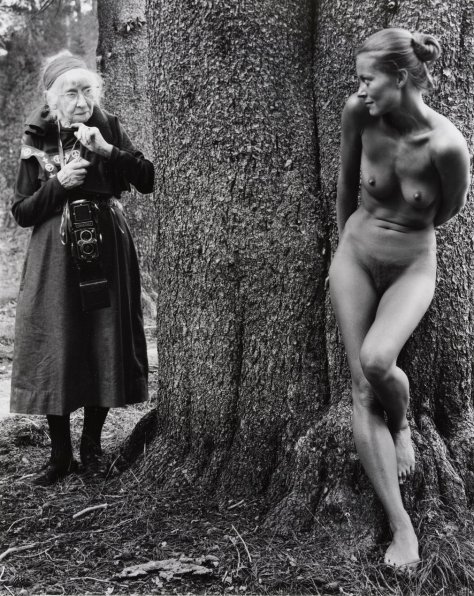
Judy Dater met Imogen Cunningham, a prominent American photographer, in 1964. Cunningham was a mentor to Dater, and the two became close friends. This image is from Dater’s larger series addressing the theme of voyeurism
Photograph: Courtesy V&A
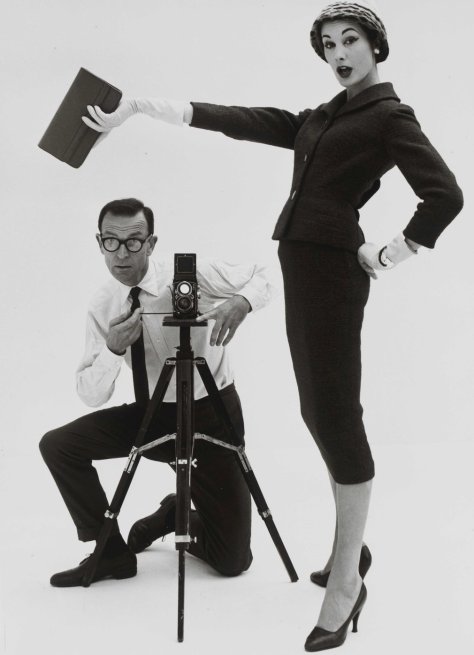
Fashion photographer John French often left the actual release of the shutter to his assistants. Here, he has inserted himself into the picture, kneeling behind a tripod-mounted Rolleiflex, contrasting playfully with the polished elegance of the model

In this staged scene, US photographer Richard Avedon mocks the very industry in which he played such a major role with a model caught inside a car by a frenzied crowd of paparazzi
Photograph: Richard Avedon Foundation
I´d like to go to Australia! Ladies and gentlemen I give you Josh Smith. 😊 Pelle
“The end game for me is producing these series as fine art”.
© all photographs Josh Smith. Article in BBC.
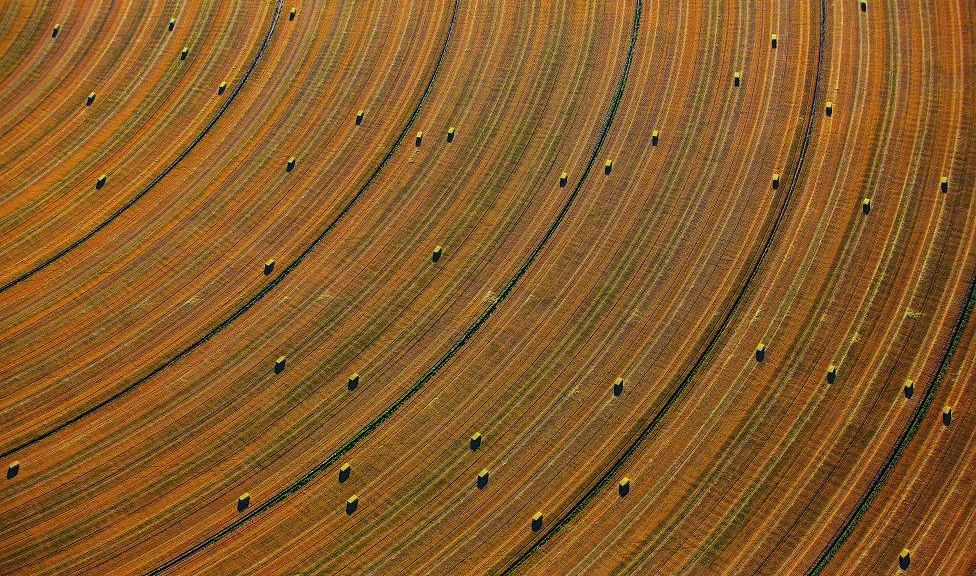
Flying high above farmland, photographer Josh Smith captures colours and patterns not usually associated with rural Australia.
http://www.bbc.com/news/world-australia-38888453
 His often abstract images feature subjects like machinery sculpting lines into a vast frame.
 His often abstract images feature subjects like machinery sculpting lines into a vast frame.
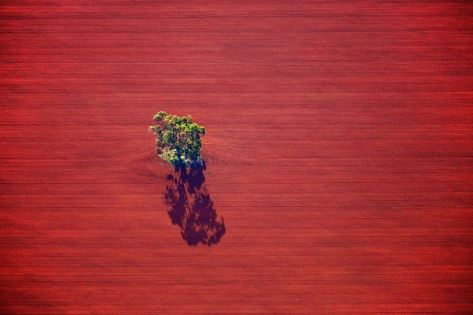 It was a hobby until 2011, when his aerial shots of floods in Queensland and New South Wales were featured in a major newspaper.
 So he took to the skies, hoping to draw attention to how food and clothing is produced.
 “Here in Australia, we’ve got farmers producing the highest quality produce anywhere in the world,” he said.
Please like if you like, 😉 Pelle