Category Archives: professional photography

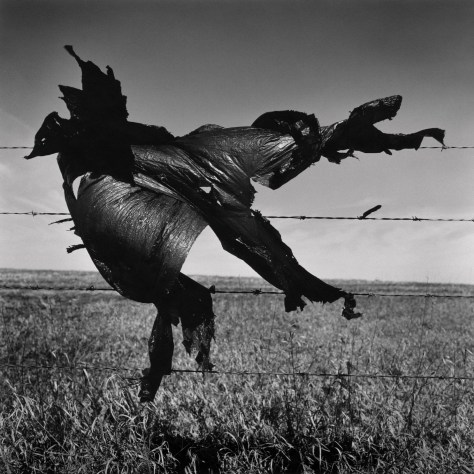
These forgotten shreds of plastic helped a photographer mourn his mom

Simple, beautiful and emotional. There are still great ideas and photographs out there just waiting to be made. 😊  Pelle

© Wes Bell, and the article was found in The Washington Post.

https://www.washingtonpost.com/news/in-sight/wp/2017/03/13/these-forgotten-shreds-of-plastic-helped-a-photographer-mourn-his-mom/

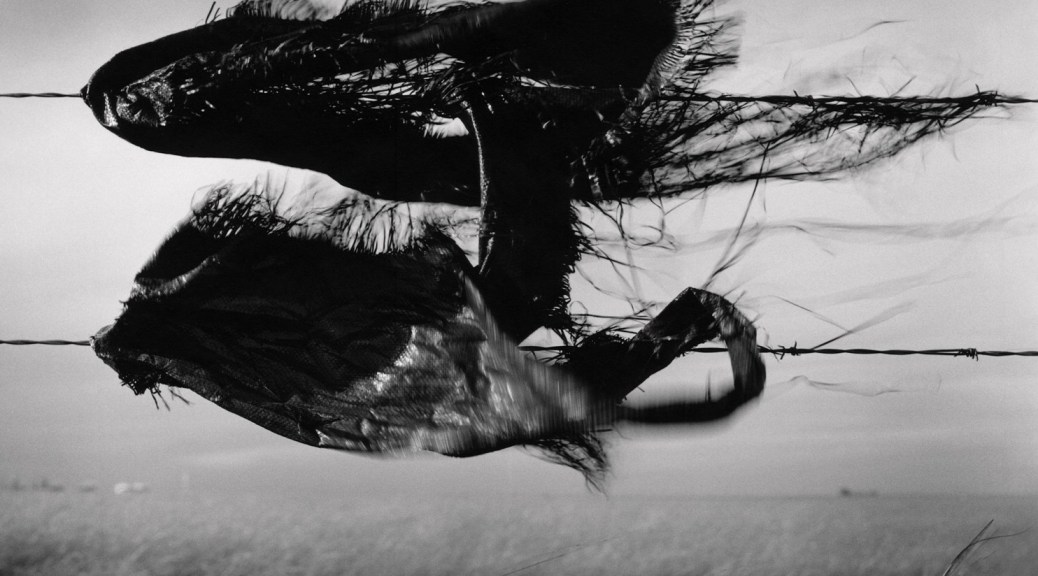
Wes Bell’s series “Snag,” inspired by the death of his mother, takes a beautiful and simple idea and infuses an ordinary scene with great emotional power. There is beauty, loss and poetry in every frame. After 20 years in New York working as an international fashion photographer, Bell returned to his birthplace and to fine-art photography in Alberta, Canada.

In describing this work, Bell said: “Three years ago, I was leaving for the airport after saying goodbye to my mother. She was dying of cancer. On the long drive across the Alberta prairie, I found myself distracted by flapping remnants of plastic bags, caught in barbed-wire fences that lined the ditches. Whipped violently by the wind, they were left shredded and lacerated, but trapped nonetheless in the no man’s land of boundary fences, neither here nor there. Thinking about mortality, pain and death in the context of my mother’s terminal illness, these forgotten shreds of plastic took on a deeper significance — Snag.”

Loss and remembrance are universal, and Bell makes feeling those emotions accessible and visible.
imrs-4

imrs-5

imrs-6

In pictures: Sacred geometries

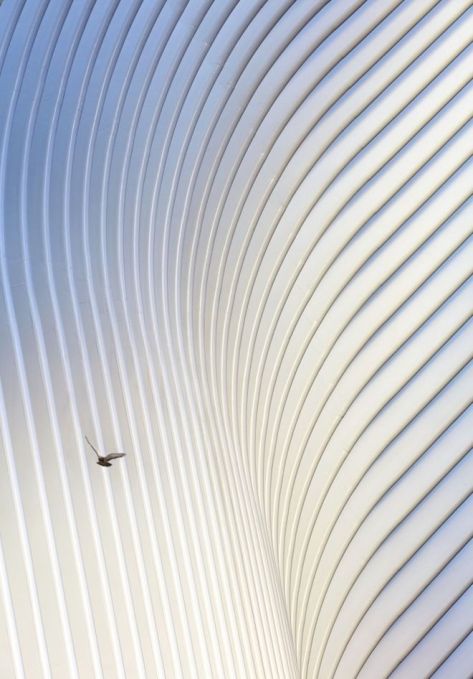
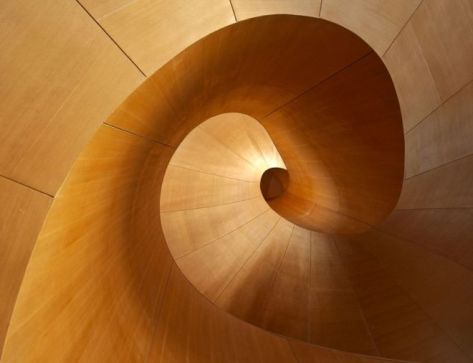
A small group of photographers have turned their lenses on the urban landscape, seeking to capture the beauty of the architecture around us.

The images explore the idea of sacred geometries, the perfect mix of proportion and mathematical ratios that are pleasing to the eye and a reflection of those found in nature.

The pictures can be seen at the Anise Gallery in London until 15 April 2017.

I saw this in BBC, In Pictures.

😊  Pelle

_95051523_fernandoguerra_maatmuseum_portugal_medium
© Fernando Guerra
_95051525_huftonandcrow_sc_oculus_medium
© Hufton and Crow Photography
_95052283_doublespace_artgalleryofontariorenovationintorontobygehrypartners_medium
© Doublespace


Was Diane Arbus the Most Radical Photographer of the 20th Century?

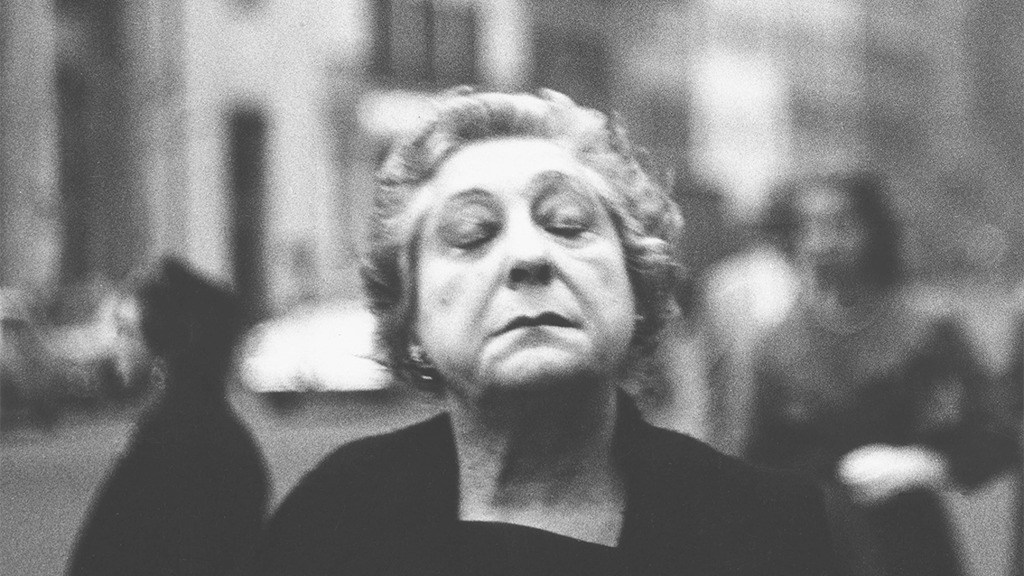
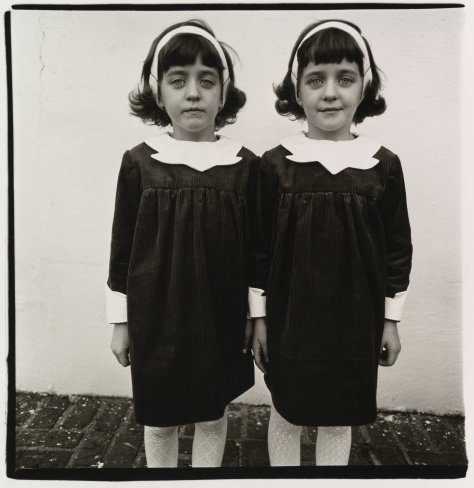
If you have ever seen a Diane Arbus photograph you will remember it, and her very personal style. That can only be said about few photographers.                                               Thank you Leif Skoogfors for sharing this interesting article.

© Diane Arbus

A new biography and Met exhibit show how she sacrificed her marriage, her friendships, and eventually her life for her career as an artist living on the edge.

By

Diane Arbus’s last known negative is labeled “#7459.” She found herself unable to imagine past that number.

http://nymag.com/thecut/2016/07/diane-arbus-c-v-r.html

12-image-diane-arbus-secondary-1-w1024

12-image-diane-arbus-secondary-2

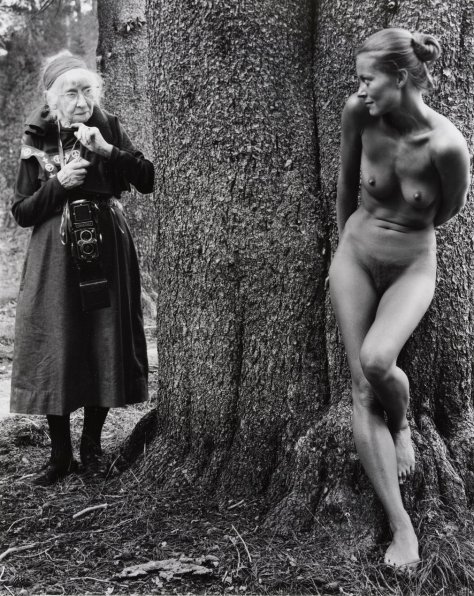
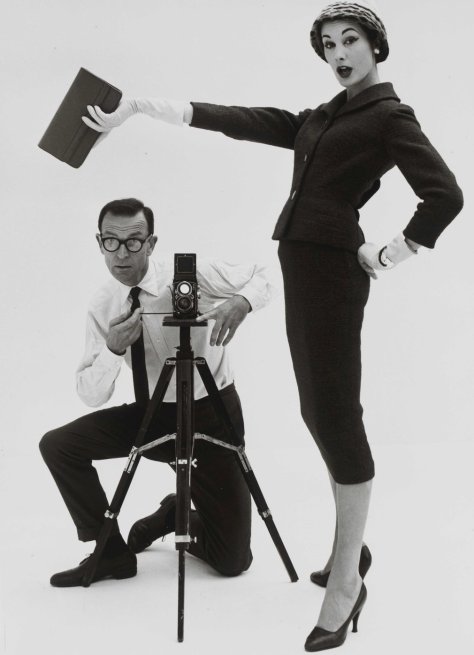
For the love of a good camera – in pictures

From Lily Cole posing with a supersized Pentax to Bill Brandt hiding behind his Kodak wide-angle, cameras are the stars of this collection of snaps and selfies. 

Featured image at the top:

Many photographers are posing on their selfies with a camera, this is only natural. I guess. As you can see also the top photographers have thought of the same idea for their work. I wish I could visit the exhibition to see some of my favorites. 🌞 Pelle

3643

3663

4528

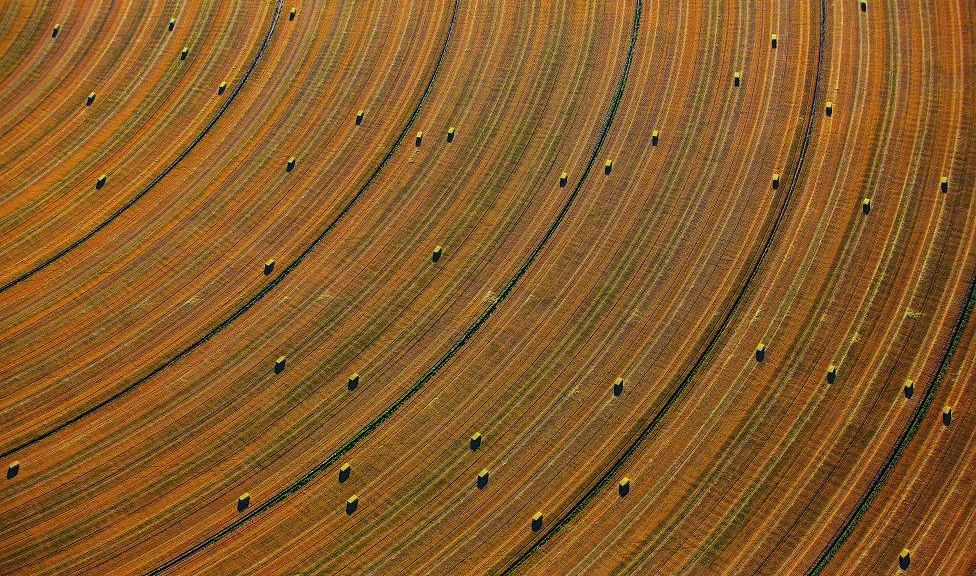
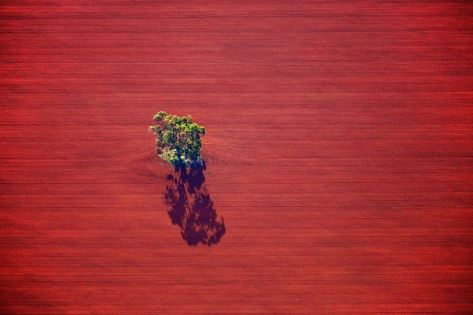
Finding patterns in Australian farmland

I®d like to go to Australia! Ladies and gentlemen I give you Josh Smith. 😊  Pelle

“The end game for me is producing these series as fine art”.

© all photographs Josh Smith. Article in BBC.

Flying high above farmland, photographer Josh Smith captures colours and patterns not usually associated with rural Australia.

http://www.bbc.com/news/world-australia-38888453

_94006992_14305b65-2eab-412f-be37-17c11c9ddf16His often abstract images feature subjects like machinery sculpting lines into a vast frame.

_94006993_a1405267-ed49-4374-8fce-0f513f3eb09aHis often abstract images feature subjects like machinery sculpting lines into a vast frame.

_94006997_bd80a3ef-04b3-4ae9-89dd-c6b2ec69713b It was a hobby until 2011, when his aerial shots of floods in Queensland and New South Wales were featured in a major newspaper.

_94007052_fertappSo he took to the skies, hoping to draw attention to how food and clothing is produced.

_94007055_202a3807-1a9f-4245-923b-4738de7a0996“Here in Australia, we’ve got farmers producing the highest quality produce anywhere in the world,” he said.

Please like if you like, 😉 Pelle

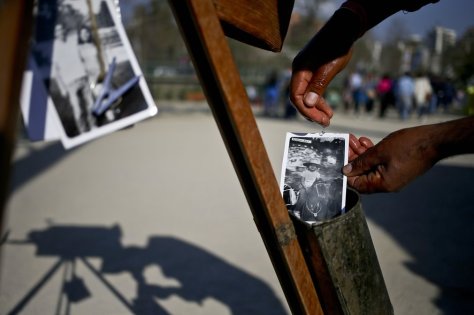
The last box camera in Santiago, Chile – in pictures

Everything is not digital these days. Another place, but the same time. 😊 Pelle

Luis Maldonado is the last remaining photographer in the main square of the Chilean capital still using a wooden box camera.

https://www.theguardian.com/news/gallery/2017/jan/30/the-last-box-camera-in-santiago-chile-in-pictures?CMP=Share_iOSApp_Other

5184

Back to the future

http://www.bbc.com/news/science-environment-38815948

_93905955_thinkstockphotos-621375288

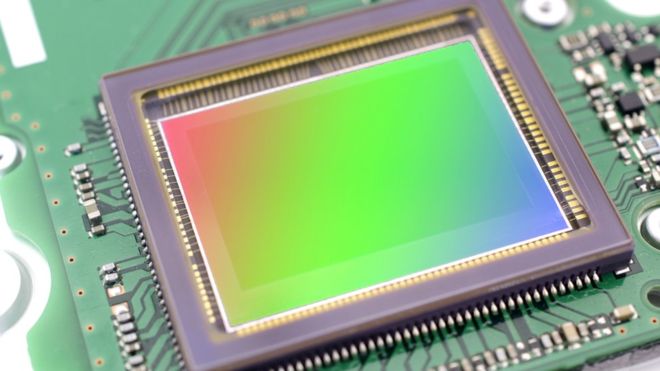
The inventors of digital cameras have won the highest international engineering prize.

This year’s £1m Queen Elizabeth Prize recognises the development of the technologies that turn light into digital signals.

The Royal Academy of Engineering judging panel said the inventors’ work had “revolutionised” the world.

It sure did
😊                  This story was told by BBC.

My first digital camera was a 4×5″ scanner, a Dicomed, with a file size of 129 mb.

A study of industry data by Prof Fossum suggests that 100 digital cameras are made every second and a billion photos are uploaded each day.

Asked if he was proud that his development gave rise to a technology that is so ubiquitous, Dr Tompsett told BBC News he had some mixed feelings. Yes, he felt some pride, but he “also felt the opposite”.

“I feel frustrated by all these people who have cameras, taking pictures of everything in sight – and selfies. You are walking along and a selfie stick suddenly appears.”

And he added wryly: “I sometimes think whoever invented this technology should be dealt with.”

Up up and away, again

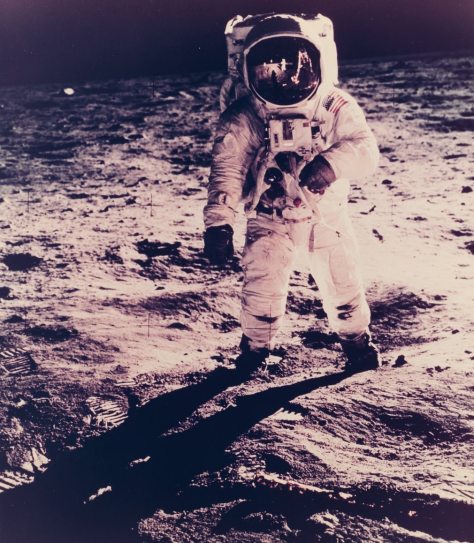
At the time for the first moon landing I read all there was and cut it out from all magazines and newspapers. I still got it all in my files. Now some of those famous photographs, and some not known,  are up for auction. That was also a historical moment for Hasselblad, the Swedish camera manufacturer. A small step for man, but a giant step for mankind…

https://www.theguardian.com/science/gallery/2017/jan/31/spacewalks-and-moon-landings-nasa-auctions-archive-photos

😊  Pelle

Up up and away

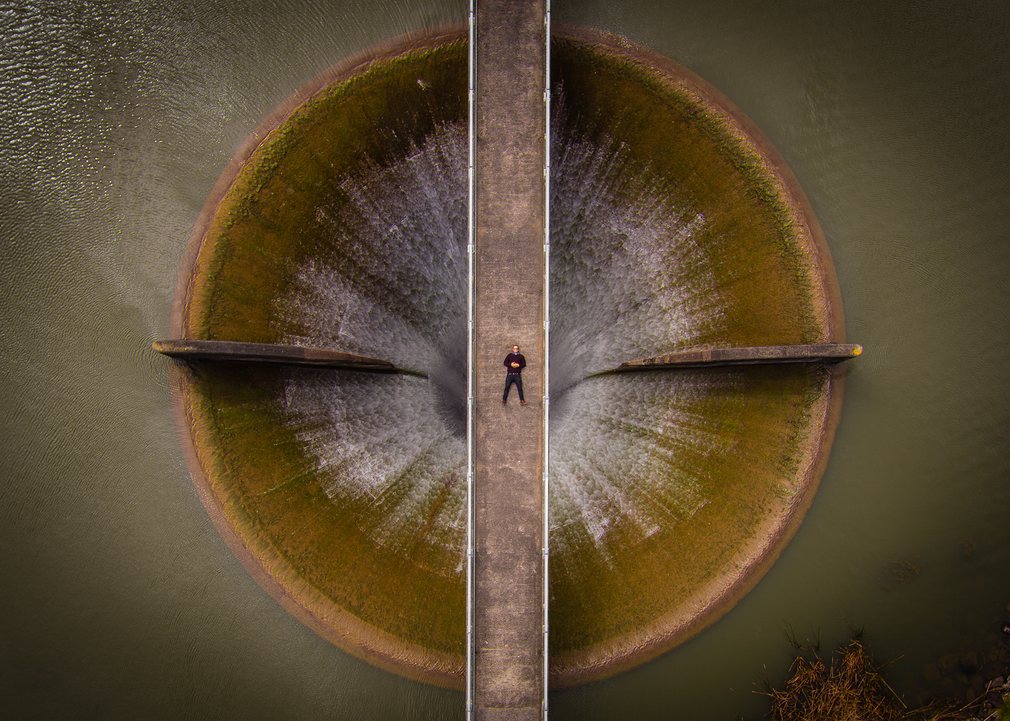
Here is another set of drone photography. One perhaps considered as a selfie. Nature from above is often very graphical and beautiful. Just look at these images. Hmmm, just thinking, how many are falling from the sky?

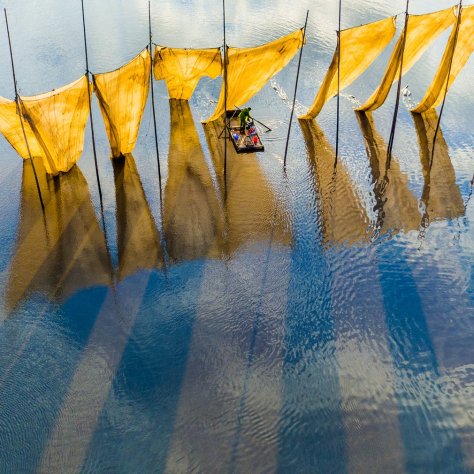
Aerial photography platform SkyPixel received 27,000 entries to its 2016 competition. Here are the winning shots plus some of The Guardians favourites. SkyPixel’s competition was open to both professional and amateur photographers and was split into three categories: Beauty, 360, and Drones in Use.

https://www.theguardian.com/travel/gallery/2017/jan/25/worlds-best-drone-photography-skypixel-competition

3126

3865

4000

Looking at readers

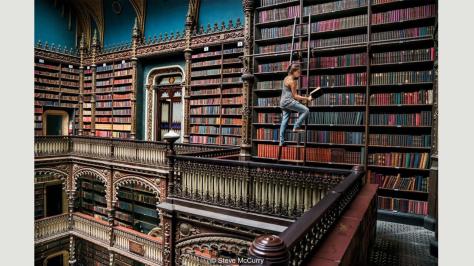
People do read, everywhere in the world. Notice that none of the persons in these images are reading on a phone or a computer. I like that, and I like reading. IÂŽd rather read the book instead of seeing a movie from the book. Then I am doing the interpretations and I am setting the cast. My imagination is working for me.

A new book brings together Steve McCurry’s photos of readers, spanning 30 countries. From a steelworks in Serbia to a classroom in Kashmir, they reveal the power of the printed word.

p04ppqcj

p04pprm7

Without the word, without the writing of books, there is no history, there is no concept of humanity.

Back in 1930, Hesse argued that “We need not fear a future elimination of the book. On the contrary, the more that certain needs for entertainment and education are satisfied through other inventions, the more the book will win back in dignity and authority. For even the most childish intoxication with progress will soon be forced to recognise that writing and books have a function that is eternal.”

Many years ago I was given a book with the mentioned André Kertész reading images, and that book is still one of my favorites. Thank you Bruno!

I found the article at BBC. All images are © Steve McCurry.

http://www.bbc.com/culture/story/20170116-striking-photos-of-readers-around-the-world?ocid=ww.social.link.email

on-reading

This book came out in 1975, and I understand that an original in a larger format was released in 1971.