Tag Archives: Thoughts

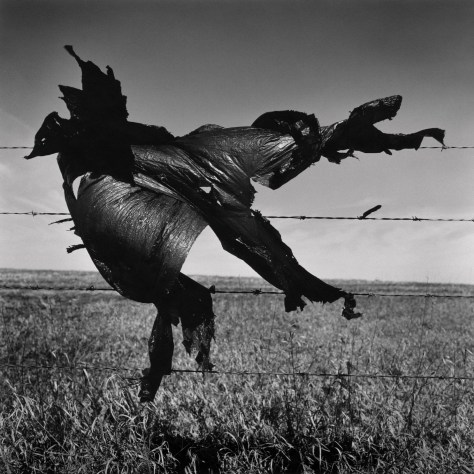
These forgotten shreds of plastic helped a photographer mourn his mom

Simple, beautiful and emotional. There are still great ideas and photographs out there just waiting to be made. 😊  Pelle

© Wes Bell, and the article was found in The Washington Post.

https://www.washingtonpost.com/news/in-sight/wp/2017/03/13/these-forgotten-shreds-of-plastic-helped-a-photographer-mourn-his-mom/

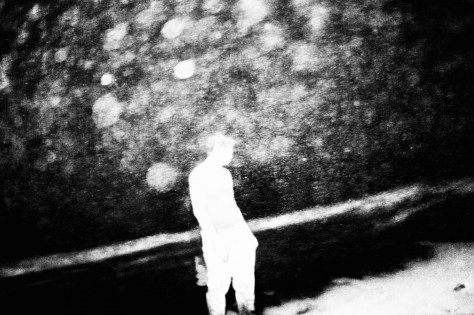
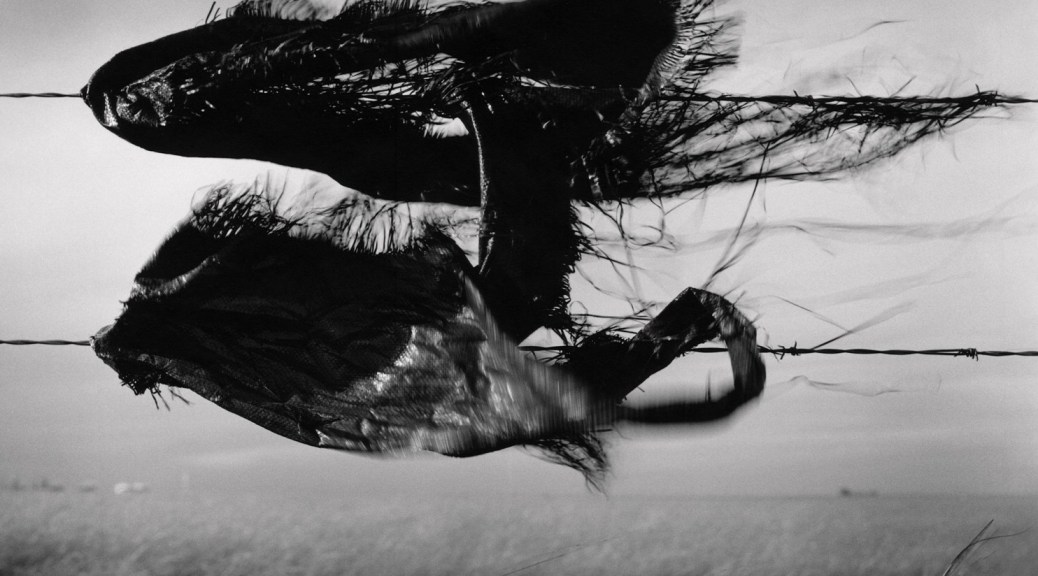
Wes Bell’s series “Snag,” inspired by the death of his mother, takes a beautiful and simple idea and infuses an ordinary scene with great emotional power. There is beauty, loss and poetry in every frame. After 20 years in New York working as an international fashion photographer, Bell returned to his birthplace and to fine-art photography in Alberta, Canada.

In describing this work, Bell said: “Three years ago, I was leaving for the airport after saying goodbye to my mother. She was dying of cancer. On the long drive across the Alberta prairie, I found myself distracted by flapping remnants of plastic bags, caught in barbed-wire fences that lined the ditches. Whipped violently by the wind, they were left shredded and lacerated, but trapped nonetheless in the no man’s land of boundary fences, neither here nor there. Thinking about mortality, pain and death in the context of my mother’s terminal illness, these forgotten shreds of plastic took on a deeper significance — Snag.”

Loss and remembrance are universal, and Bell makes feeling those emotions accessible and visible.
imrs-4

imrs-5

imrs-6

A Photograph Never Stands Alone

Interesting read from NY Times written by Teju Cole. Teju Cole is the magazine’s photography critic and the author, most recently, of the essay collection “Known and Strange Things.” Read more in the full article!

Images make us think of other images. Photographs remind us of other photographs, and perhaps only the earliest photographs had a chance to evade this fate. But soon after the invention of photography, the world was full of photographs, and newly made photographs could not avoid semantic contamination. Each photograph came to seem like a quotation from the great archive of photographs. Even the earliest photographs are themselves now burdened by this reality, because when we look at them, we do so in the knowledge of everything that came after. All images, regardless of the date of their creation, exist simultaneously and are pressed into service to help us make sense of other images. This suggests a possible approach to photography criticism: a river of interconnected images wordlessly but fluently commenting on one another.

A photograph can’t help taming what it shows. We are accustomed to speaking about photographs as though they were identical to their subject matter. But photographs are also pictures — organized forms on a two-dimensional surface — and they are part of the history of pictures. A picture of something terrible will always be caught between two worlds: the world of “something terrible,” which might shock us or move us to a moral response, and the world of “a picture,” which generates an aesthetic response. The dazzle of art and the bitterness of life are yoked to each other. There is no escape.


Was Diane Arbus the Most Radical Photographer of the 20th Century?

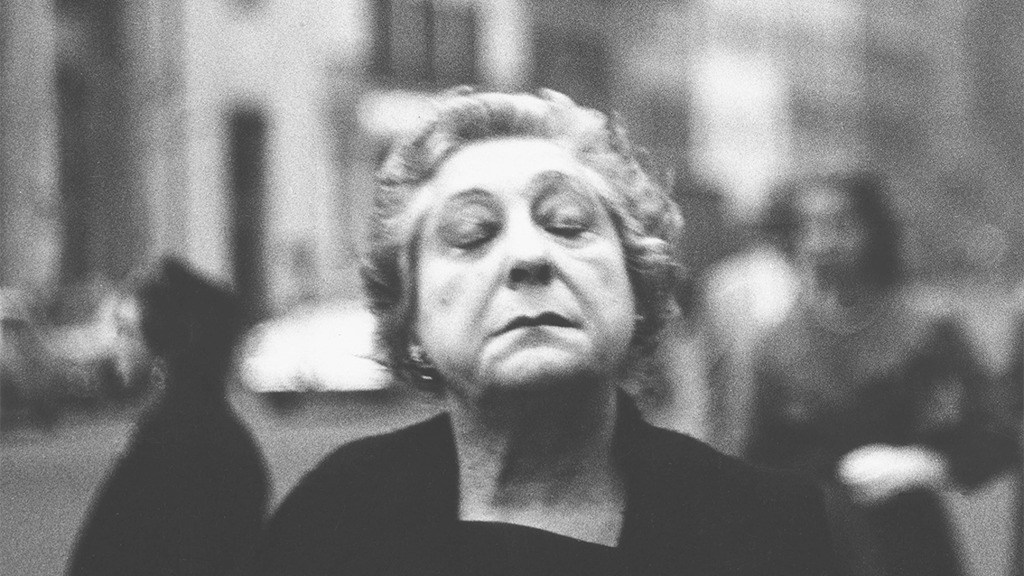
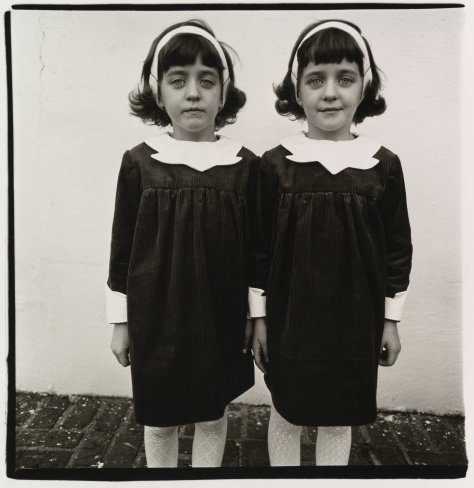
If you have ever seen a Diane Arbus photograph you will remember it, and her very personal style. That can only be said about few photographers.                                               Thank you Leif Skoogfors for sharing this interesting article.

© Diane Arbus

A new biography and Met exhibit show how she sacrificed her marriage, her friendships, and eventually her life for her career as an artist living on the edge.

By

Diane Arbus’s last known negative is labeled “#7459.” She found herself unable to imagine past that number.

http://nymag.com/thecut/2016/07/diane-arbus-c-v-r.html

12-image-diane-arbus-secondary-1-w1024

12-image-diane-arbus-secondary-2

Turning ordinary into magical

Ever so often I feel happy after I have seen a movie from India, France, Italy or from any other country when I don´t recognize the surroundings and/or the actors. Just as great is it seeing interesting photographs from India. More street photography from where the streets looks different. I found it in The Washington Post.

😊   Pelle

Amateur photographer presents new look at life in India

More often than not, photography coming out of India tends to focus on the “exotic.” We’ve seen the pictures many times before — people performing religious rites in the Ganges River or huge gatherings like the Kumb Mela. So it is refreshing to see work that diverges from this path. Swarat Ghosh’s photographs of street scenes in India do just that. Far from the spectacles we are used to seeing, Ghosh roams the streets transforming the ordinary and banal into the magical. With his photography, he takes us on a journey through found mini-dramas or tableaus that we might ordinarily miss if we’re not watching carefully enough.

Ghosh is not a professional photographer but an avid amateur and student of the medium. In his day job, Ghosh is a lead visual designer at a software company in Hyderabad. His earliest memory of photography was when he began following the work of several street photographers (including Kaushal Parekh and Prashant Godbole) based in India around 2012. His own journey into photography actually came about accidentally at that time when his wife gave him a camera that same year.

https://www.washingtonpost.com/news/in-sight/wp/2017/02/08/turning-ordinary-into-magical-amateur-photographer-presents-new-look-at-life-in-india/?hpid=hp_no-name_photo-story-a%3Ahomepage%2Fstory&utm_term=.d651cd86490b

imrs-2

imrs-3

imrs-4

imrs-5

Trash, or Not Trash!

It sometimes happens that you see photographs that you wished you had done yourself. For me, like these. The gloves I have made, but not the other. I like this. It is colorful, playful and provokes a thought about our consumption society.

Stuart Haygarth walked from Kent to Land’s End, picking up the trash he found on beaches – and arranged it into collections that show us how weird the ordinary objects in our lives can be.

https://www.theguardian.com/artanddesign/gallery/2016/apr/11/stuart-haygarth-strand-book-beach-trash-flotsam-england

2000-1

2000-2

2000

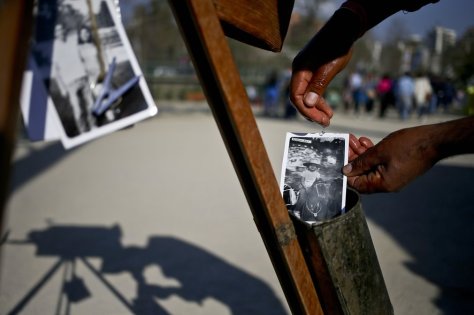
The last box camera in Santiago, Chile – in pictures

Everything is not digital these days. Another place, but the same time. 😊 Pelle

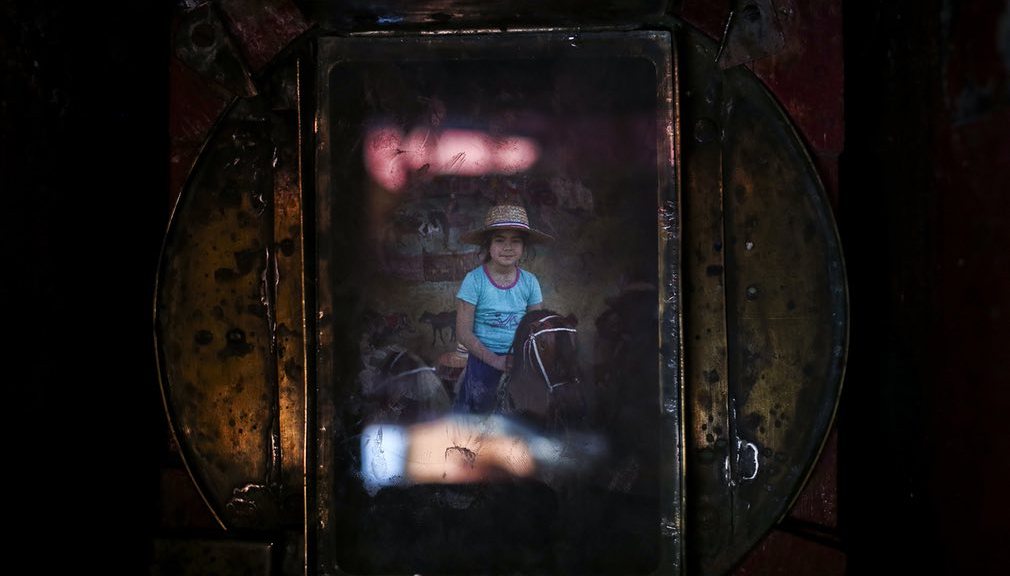
Luis Maldonado is the last remaining photographer in the main square of the Chilean capital still using a wooden box camera.

https://www.theguardian.com/news/gallery/2017/jan/30/the-last-box-camera-in-santiago-chile-in-pictures?CMP=Share_iOSApp_Other

5184

Back to the future

http://www.bbc.com/news/science-environment-38815948

_93905955_thinkstockphotos-621375288

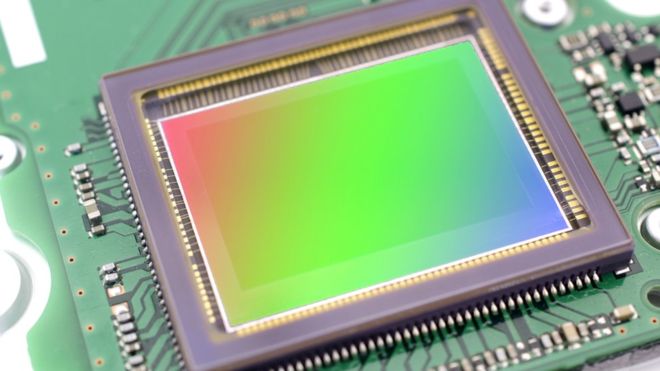
The inventors of digital cameras have won the highest international engineering prize.

This year’s £1m Queen Elizabeth Prize recognises the development of the technologies that turn light into digital signals.

The Royal Academy of Engineering judging panel said the inventors’ work had “revolutionised” the world.

It sure did…😊                  This story was told by BBC.

My first digital camera was a 4×5″ scanner, a Dicomed, with a file size of 129 mb.

A study of industry data by Prof Fossum suggests that 100 digital cameras are made every second and a billion photos are uploaded each day.

Asked if he was proud that his development gave rise to a technology that is so ubiquitous, Dr Tompsett told BBC News he had some mixed feelings. Yes, he felt some pride, but he “also felt the opposite”.

“I feel frustrated by all these people who have cameras, taking pictures of everything in sight – and selfies. You are walking along and a selfie stick suddenly appears.”

And he added wryly: “I sometimes think whoever invented this technology should be dealt with.”

Up up and away, again

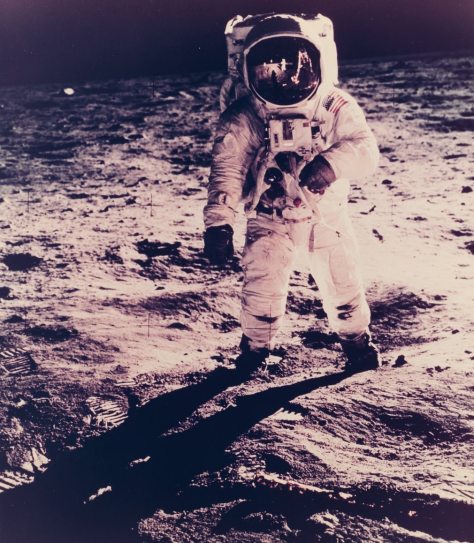
At the time for the first moon landing I read all there was and cut it out from all magazines and newspapers. I still got it all in my files. Now some of those famous photographs, and some not known,  are up for auction. That was also a historical moment for Hasselblad, the Swedish camera manufacturer. A small step for man, but a giant step for mankind…

https://www.theguardian.com/science/gallery/2017/jan/31/spacewalks-and-moon-landings-nasa-auctions-archive-photos

😊  Pelle

Up up and away

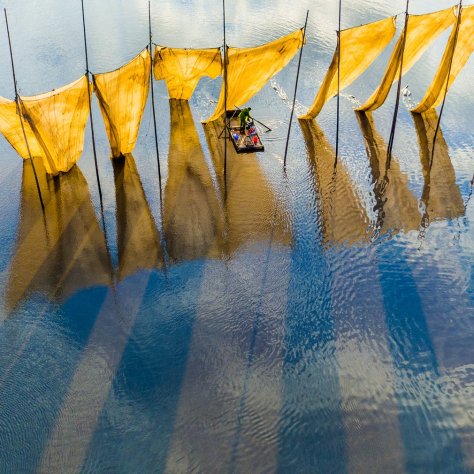
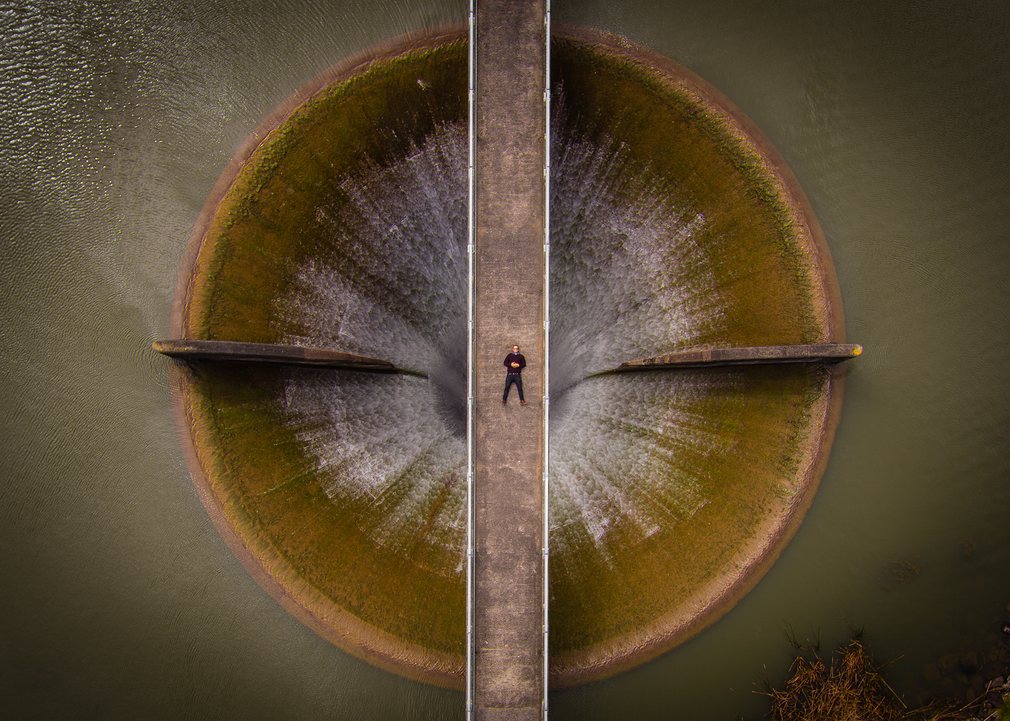
Here is another set of drone photography. One perhaps considered as a selfie. Nature from above is often very graphical and beautiful. Just look at these images. Hmmm, just thinking, how many are falling from the sky?

Aerial photography platform SkyPixel received 27,000 entries to its 2016 competition. Here are the winning shots plus some of The Guardians favourites. SkyPixel’s competition was open to both professional and amateur photographers and was split into three categories: Beauty, 360, and Drones in Use.

https://www.theguardian.com/travel/gallery/2017/jan/25/worlds-best-drone-photography-skypixel-competition

3126

3865

4000

Whatever you think

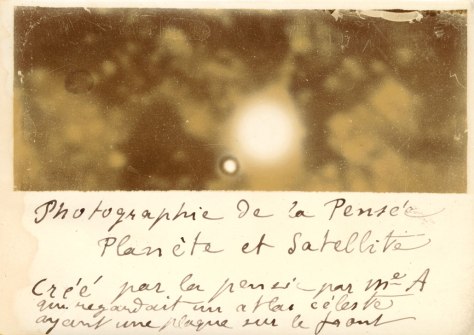
This is a very interesting article about people who thought they could photograph thoughts. Whatever you think, and I, the images with the old hand writing are beautiful.  It is artistic. Perhaps even art…?

http://www.bbc.com/future/story/20170116-the-man-who-tried-to-photograph-thoughts-and-dreams

Images courtesy of The Institute for Frontier Areas of Psychology and Mental Health (IGPP) in Germany. Article by Josh Gabbatiss in BBC.

😊   Pelle

p04ppb0c

p04ppc6k

p04ppcnr