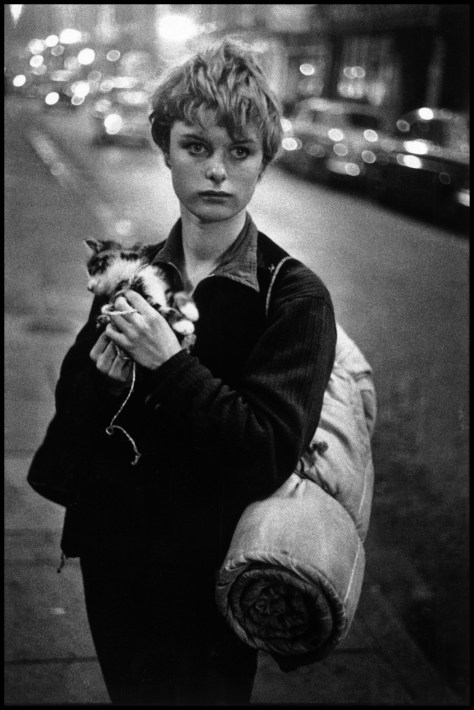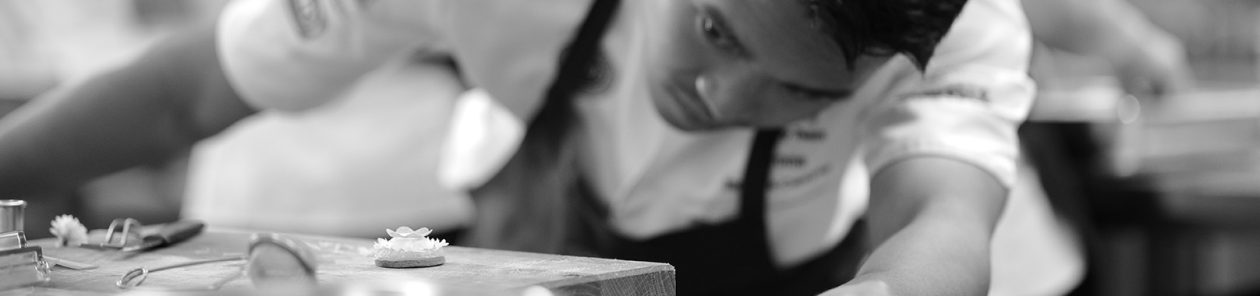
Everything is not digital these days. Another place, but the same time. đ Pelle
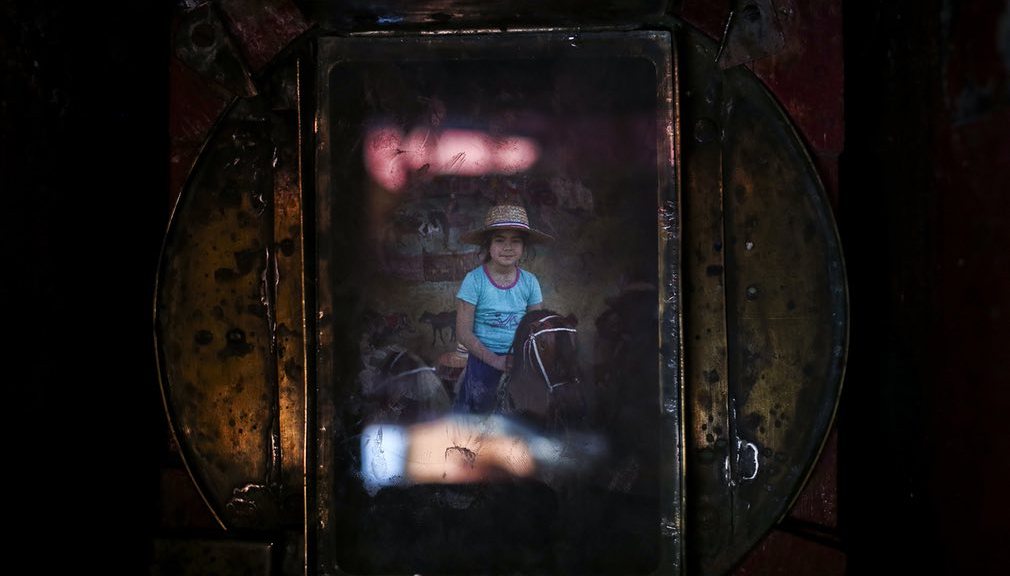
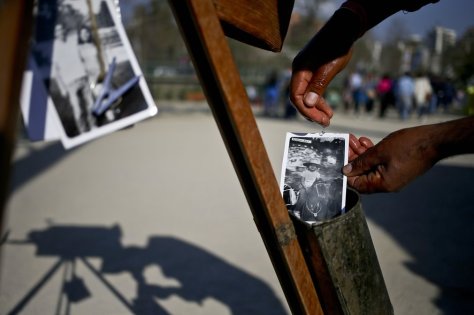
Luis Maldonado is the last remaining photographer in the main square of the Chilean capital still using a wooden box camera.

Everything is not digital these days. Another place, but the same time. đ Pelle
Luis Maldonado is the last remaining photographer in the main square of the Chilean capital still using a wooden box camera.

http://www.bbc.com/news/science-environment-38815948

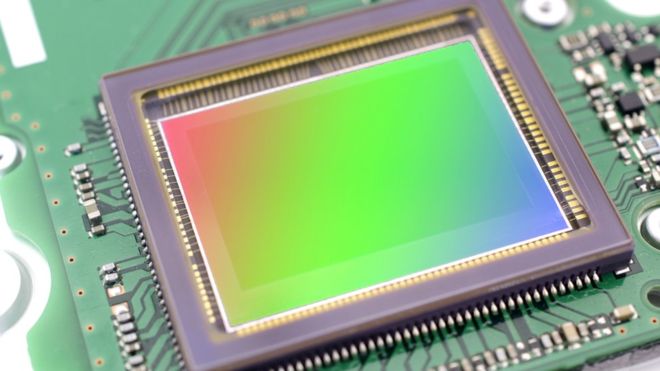
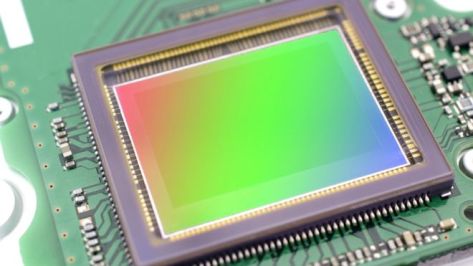
The inventors of digital cameras have won the highest international engineering prize.
This yearâs ÂŁ1m Queen Elizabeth Prize recognises the development of the technologies that turn light into digital signals.
The Royal Academy of Engineering judging panel said the inventorsâ work had ârevolutionisedâ the world.
It sure didâŚÂ                 This story was told by BBC.
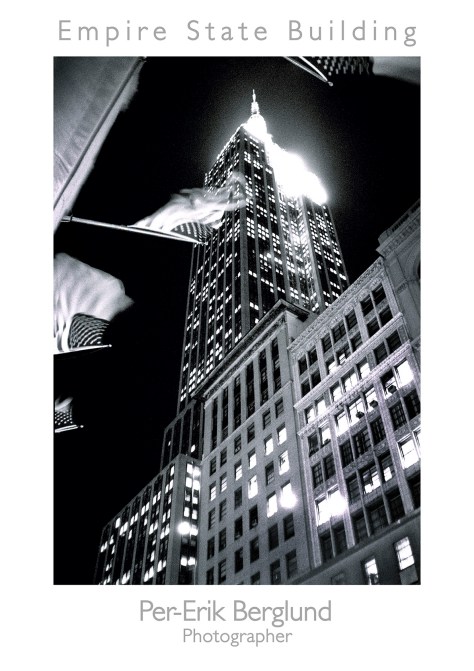
My first digital camera was a 4Ă5âł scanner, a Dicomed, with a file size of 129 mb.
A study of industry data by Prof Fossum suggests that 100 digital cameras are made every second and a billion photos are uploaded each day.
Asked if he was proud that his development gave rise to a technology that is so ubiquitous, Dr Tompsett told BBC News he had some mixed feelings. Yes, he felt some pride, but he âalso felt the oppositeâ.
âI feel frustrated by all these people who have cameras, taking pictures of everything in sight â and selfies. You are walking along and a selfie stick suddenly appears.â
And he added wryly: âI sometimes think whoever invented this technology should be dealt with.â
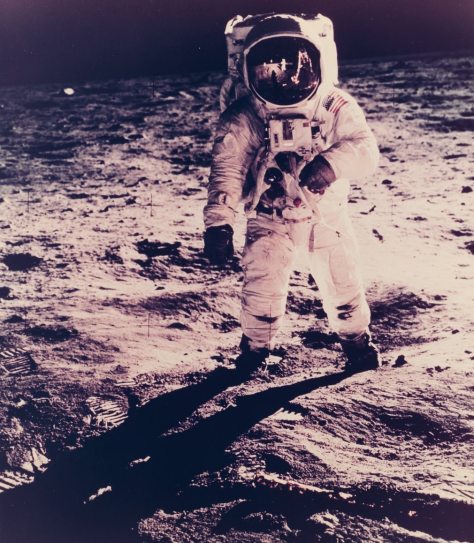
At the time for the first moon landing I read all there was and cut it out from all magazines and newspapers. I still got it all in my files. Now some of those famous photographs, and some not known, are up for auction. That was also a historical moment for Hasselblad, the Swedish camera manufacturer. A small step for man, but a giant step for mankind…
đ Pelle
A set of photographic prints from Nasaâs archives â selected by Barbara Hitchcock and Peter Riva and approved by several of the astronauts â that include the first moon landing, are up for auction in New York. Originally part of a 1985 Smithsonian Institution exhibition, Sightseeing: A Space Panorama, many of the photos had never before been published by the space agency, and are the only known Cibachrome prints made from original Nasa positives
Look at this amazing story about a farmer that documented snow flakes with a camera. Not just any camera! Amazing, isn´t it?
More than 5300 different flakes. A warm and interesting story about photography.
In 1904, Wilson Bentley, who developed an apparatus to photograph snowflakes in the 1880s, beseeched the Smithsonian to care for his collection. – http://wapo.st/2jvEKAa
This Vermont farmer’s snowflake photos were a lifelong passion.
I found it in The Washington Post.
đ Pelle
Being a music nerd myself I find these images wonderful. Some truly amazing images and stories to go with them. Some images are composed while other let you hear the wings of music history. All the way from Sinatra to Beastie Boys. And now Dylan is coming to Stockholm, still going strong.
In a new documentary about his life and work, Harry Benson: Shoot First, his famous subjects-turned-admirers.
“what makes his photographs so memorable: they’re surprisingly candid and humanizing in a way that’s often lost in more controlled photography settings. “I hate studio pictures,” he told Rolling Stone earlier this week. “I like everything out of control. Like myself!”Â
The article from Rolling Stone and all images Š by Harry Benson.


The project is organised by Cafe Art, a social enterprise that hosts exhibitions of artwork by homeless people. Their first calendar was created back in 2012
Each photographer was first given training by the Royal Photographic Society, who have since been mentoring the photographers every two weeks to continue to develop their skills
Cafe Art says its aims are to empower homeless people, allow them to tell their stories and raise awareness of their plight
The images selected for the calendar were picked via a public vote in August
âPainting, drawing, sketching, photography, sculpturing and craft making are some of the many activities that homeless people or those who are socially excluded are encouraged to do to help boost self-esteem, confidence and self-worth,â Cafe Art say. âIt is also therapeutic in that it acts as an outlet to channel their feelings, frustrations, anger, but also hope and optimism for the futureâ


Â
A great idea with some great photos.
I found the article in The Guardian.
đ Â Â Pelle
I made this series of posters. And it was long ago. Then what did I do? Nothing much. It is that long ago that I spelled my name with a hyphen.
đ  Pelle


I am afraid I will, and I am very sorry for that. If you live close enough you SHOULD go there. Paul Biddle is a very good friend of mine, and one of the best photographers that I know. And know of. He has the gift to always creating interesting and surprising images from his imagination.
Photography is also, among many other things, capturing dreams. Seeing the inner vision and to let that come out. Paul is one of the best. I am sure that he and his colleagues will create a wonderful exhibition that will open up your fantasy as well. Go see!

đ Pelle
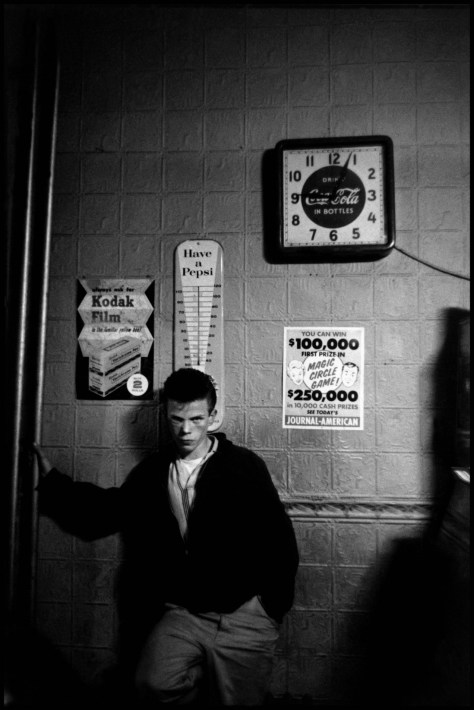
Photographer Bruce Davidson was shooting scenes of urban poverty on East 100th Street in New York, when a woman asked him why he was there. When he said he was shooting images of the ghetto, she responded, âWhat you call a ghetto, I call my home.â
Davidson, a member of the Magnum Photos collective, worked hard to balance the dire situations that residents lived in with moments of beauty and resilience. It was also a common thread throughout his lifeâs work. No matter the situation, Davidsonâs subjects maintained their inalienable right, as humans, to dignity. This is apparent in Davidsonâs book, âBruce Davidsonâ (Prestel, May 2016), a collection of his most important work including the civil rights era, the subway, a circus and a Brooklyn gang.
While Davidson could take a photo in an instant, reform came slowly. â[My work] doesnât change anything overnight,â he said via email, âNo matter how long I photographed on East 100th St., it wasnât going to change that fast.â
And I wonder, where are they now? What happened to their lives?
@ Bruce Davidson/Magnum Photos
I found it in The Washington Post
đ  Pelle


Perhaps there will be a calender for the year of 2017. My friend Peter Schäublin, of Schaffhaussen, Switzerland and I have produced one every year since 1998. Missing only two years. Peter is an exceptional graphic designer, and a photographer himself. These are the first outlines.
Images from my “Used gloves collection”.
What do you think?