Category Archives: Freedom

Same same, but always different

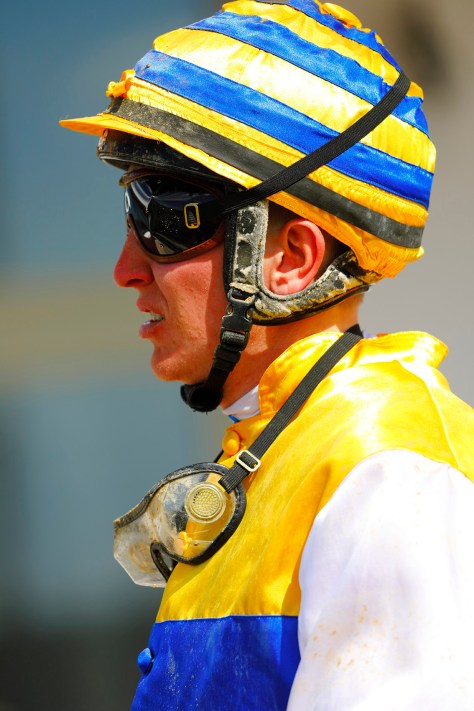
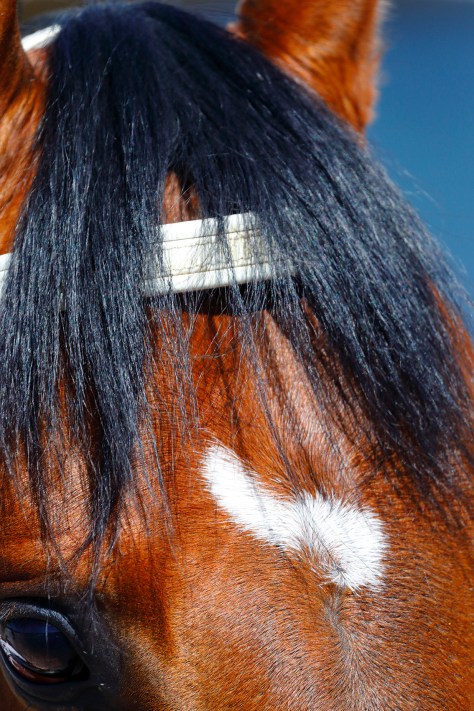
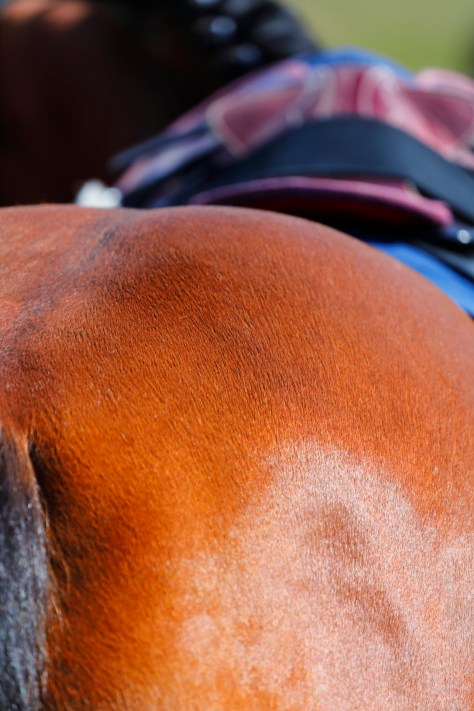
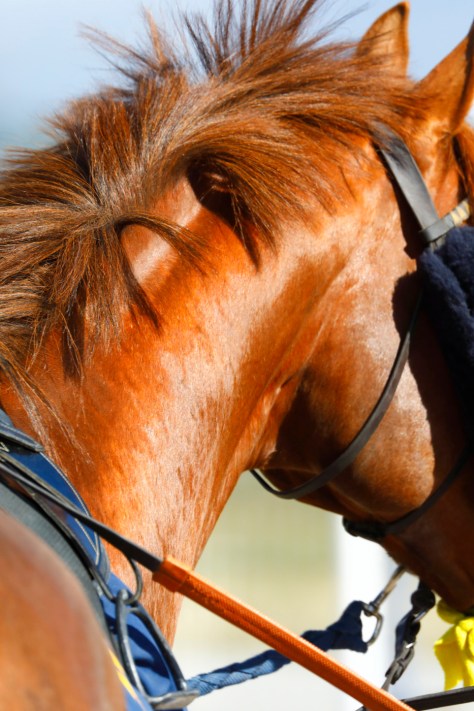
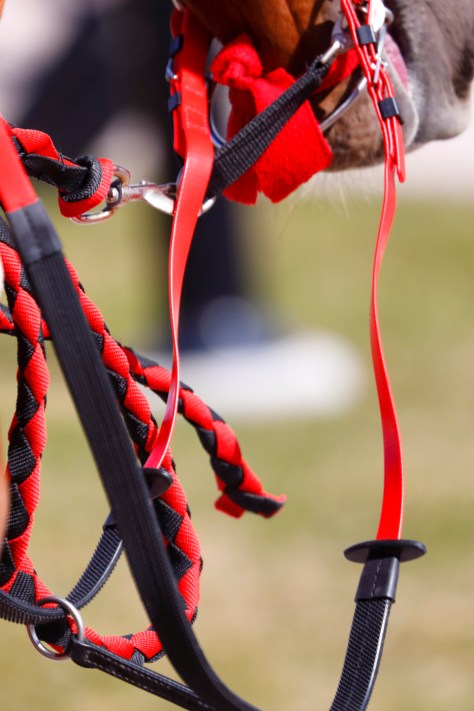
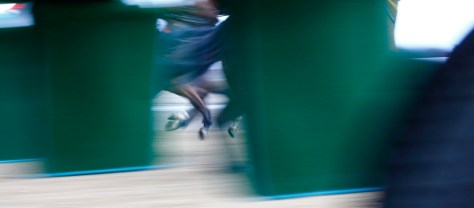
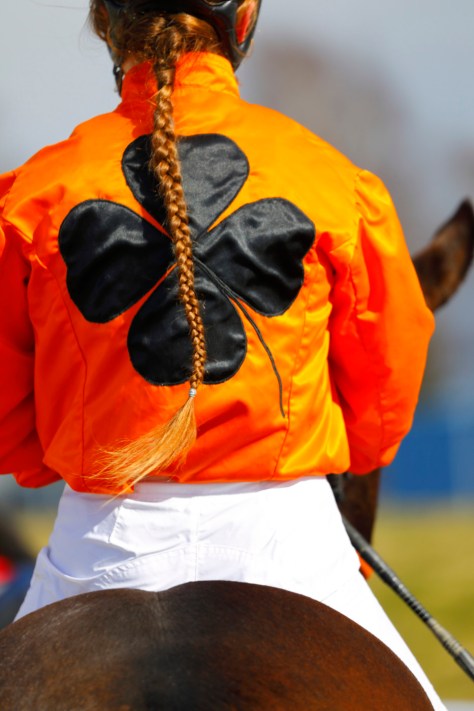
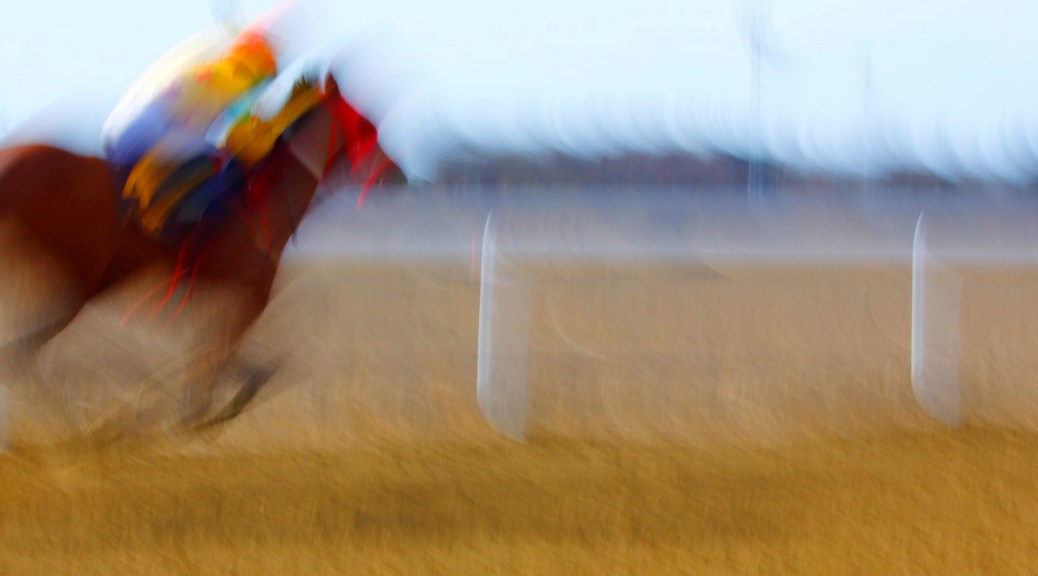
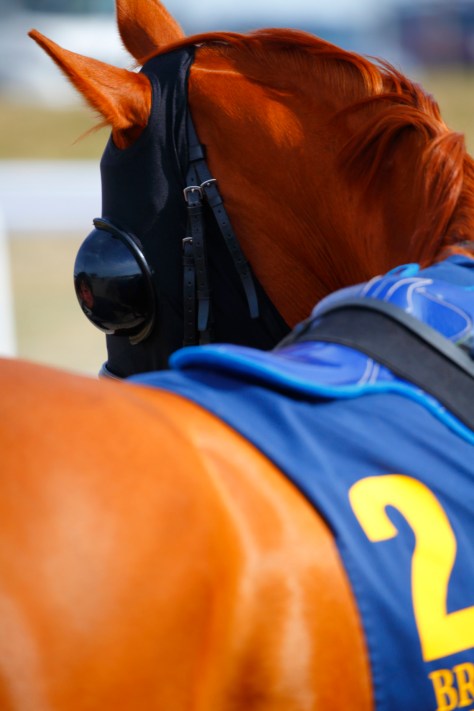
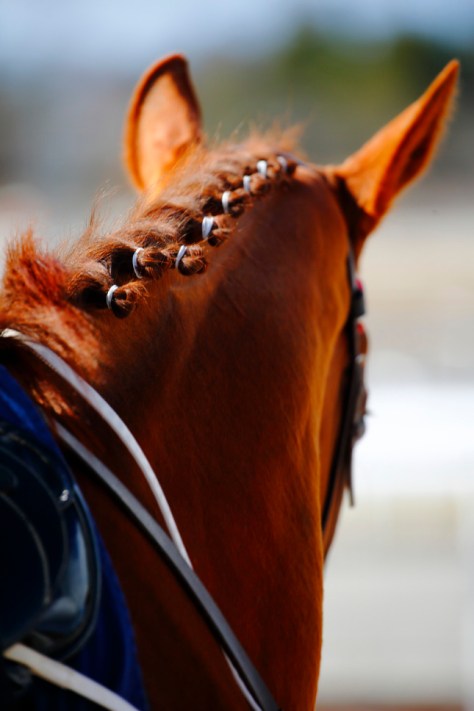
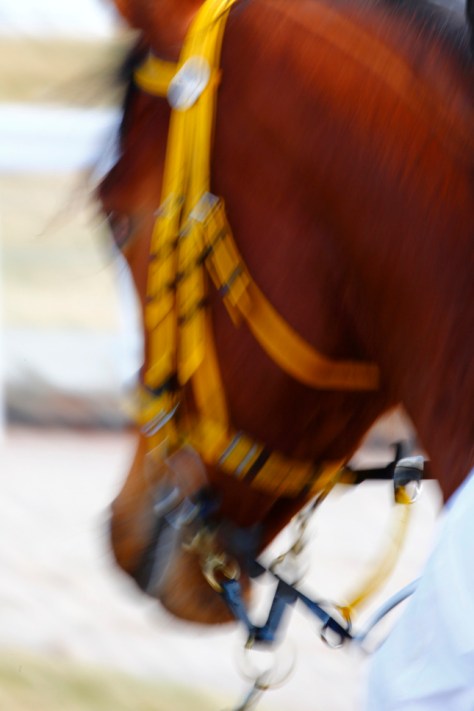
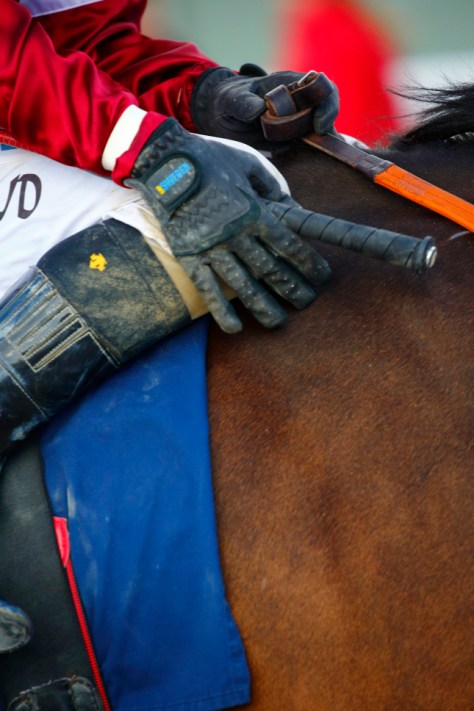
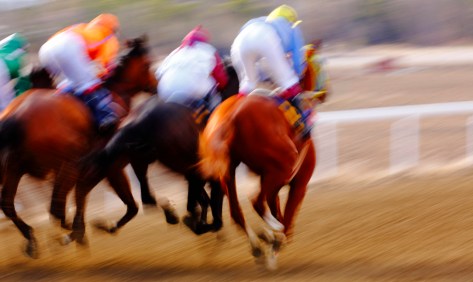
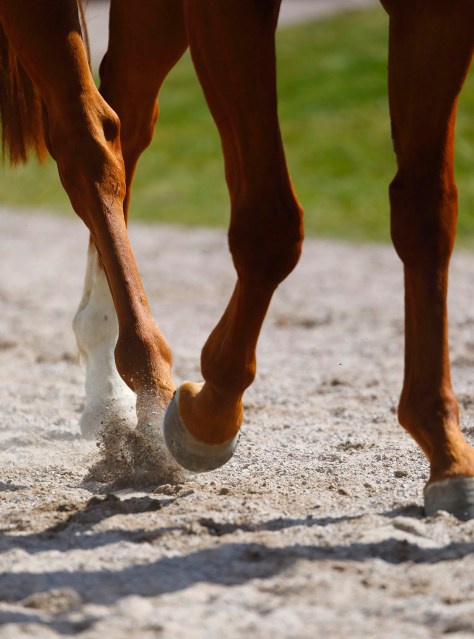
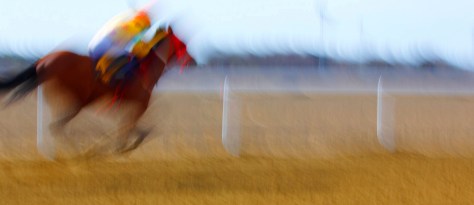
I see mostly the same jockeys and the same horses, but it is never ever the same. The weather changes, and my angles. And everything else. Some of my images are not about racing but still lifes/details from the horses or jockeys. It is a colorful and very exciting sport! The owners and trainers often pimp their racing darlings. Now I am looking forward to a dirty dirttrack, AND a couple of exhibitions with my images. Exciting!   From yesterdays races at Bro Park.      😊🏇😊  Pelle
IMG__07790

IMG__07877

IMG__07639

_BIMG__07675

IMG__07970

IMG__08075

IMG__08390

IMG__08454

IMG__08499

IMG__07866

_BIMG__08173

_BIMG__08255

_BIMG__08319

IMG__07509
There are many dogs visiting the races…

2017-04-24 at Bro Park

A selection from yesterdays races. Sun and snow coming down. It started off not good, as my camera didn´t expose more then one image at the time. After some time of intense problem solving I managed to get it working as I would like it to. There are so many things to choose when you are setting up an advanced digital camera. It ended up OK after all, and once again I learned about preparations. Especially with a new camera.  You are never too old to learn…

🌞🏇😊  Pelle

_V9A0126

_V9A0176

_V9A0369

_V9A0389

_V9A0390

_V9A0456

_V9A0497

_V9A0544

_V9A0624

_V9A0654

_V9A0746

The photojournalism of Eddie Adams – in pictures

Once a photographer, always a photographer. You don´t have a career for 50 years if you´re not a photographer by heart. A great title for the book. 😊  Pelle

He was best known for his Pulitzer prize-winning photo, Saigon Execution, but Eddie Adams won over 500 awards for his work, throughout a 50-year career. Starting as a photographer in the marines, he covered war zones, refugees, riots and celebrities. Eddie Adams: Bigger Than The Frame is published by the University of Texas Press.

https://www.theguardian.com/culture/gallery/2017/apr/10/eddie-adam-photojournalism-saigon-execution-pictures#img-7

From The Guardian.

2247

Servicemen lift President John F Kennedy’s casket off a caisson in front of the Capitol, 24 November 1963.

3200

Marine Corps recruit depot, Parris Island, South Carolina, 1970.

No Promises!

When I go to a horse race to photograph I make no promises. Not to me or anyone else. No promises that my images should be sharp, show what horse or jockey, or anything. I go there with total freedom for creating and I don´t  listen to nobody. Surprise me! That is all that I say to myself. Because of that I don´t really know until afterwards in the studio what I brought back. Is it useful and did I surprise myself. Do I like it? At the bottom I have included two of my friends and colleagues. Wolfram and Elina.See you on Sunday again.

Only two images are cropped…

This is a small selection from yesterdays 979 exposures. The one at the top is my favorite.

😊🏇😊 Pelle

_Q1B1297

_Q1B1350

_Q1B1527

_Q1B1604

_Q1B1730

_Q1B1763

_Q1B1815

_Q1B1881

_Q1B1883

_Q1B1885

_Q1B1905

_Q1B2108

_Q1B2136

_Q1B1945

_Q1B1256

Still Going Strong

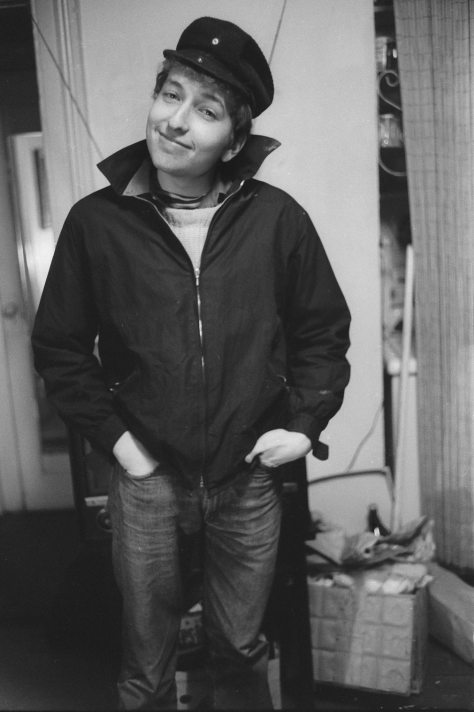
Great to see these images from a young Bod Dylan! I was happy to attend his first concert here in Stockholm last Saturday after that he received The Nobel price. A great concert by a great artist. He has changd his hat. 😊  Pelle
As Bob Dylan accepts his Nobel prize for literature this weekend, an exhibition of photographs of him on the cusp of international fame is planned to open in New York. The photographer Ted Russell first met Dylan in 1961 and his intimate pictures of Dylan performing, and at home, are the subject of a show at the Steven Kasher Gallery featuring dozens of images never before seen in the city. Bob Dylan NYC 1961–1964 opens on 20 April and will run until 3 June.

https://www.theguardian.com/music/gallery/2017/apr/01/portraits-of-a-young-bob-dylan-in-pictures

2701

A Photograph Never Stands Alone

Interesting read from NY Times written by Teju Cole. Teju Cole is the magazine’s photography critic and the author, most recently, of the essay collection “Known and Strange Things.” Read more in the full article!

Images make us think of other images. Photographs remind us of other photographs, and perhaps only the earliest photographs had a chance to evade this fate. But soon after the invention of photography, the world was full of photographs, and newly made photographs could not avoid semantic contamination. Each photograph came to seem like a quotation from the great archive of photographs. Even the earliest photographs are themselves now burdened by this reality, because when we look at them, we do so in the knowledge of everything that came after. All images, regardless of the date of their creation, exist simultaneously and are pressed into service to help us make sense of other images. This suggests a possible approach to photography criticism: a river of interconnected images wordlessly but fluently commenting on one another.

A photograph can’t help taming what it shows. We are accustomed to speaking about photographs as though they were identical to their subject matter. But photographs are also pictures — organized forms on a two-dimensional surface — and they are part of the history of pictures. A picture of something terrible will always be caught between two worlds: the world of “something terrible,” which might shock us or move us to a moral response, and the world of “a picture,” which generates an aesthetic response. The dazzle of art and the bitterness of life are yoked to each other. There is no escape.


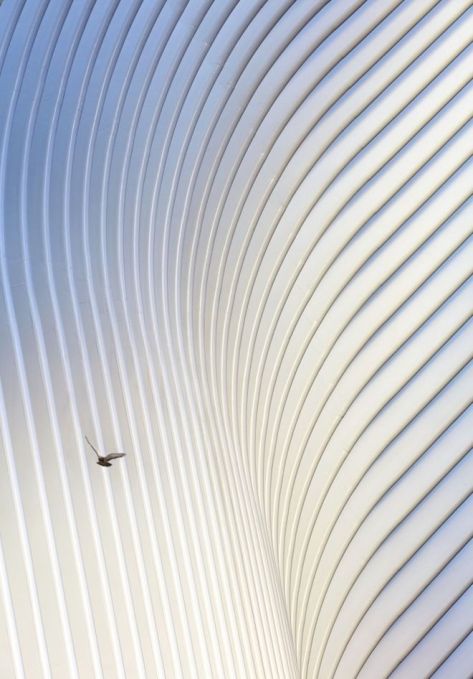
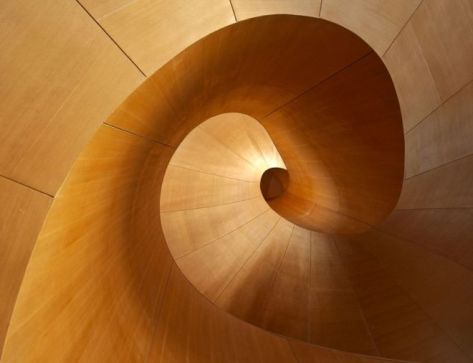
In pictures: Sacred geometries

A small group of photographers have turned their lenses on the urban landscape, seeking to capture the beauty of the architecture around us.

The images explore the idea of sacred geometries, the perfect mix of proportion and mathematical ratios that are pleasing to the eye and a reflection of those found in nature.

The pictures can be seen at the Anise Gallery in London until 15 April 2017.

I saw this in BBC, In Pictures.

😊  Pelle

_95051523_fernandoguerra_maatmuseum_portugal_medium
© Fernando Guerra
_95051525_huftonandcrow_sc_oculus_medium
© Hufton and Crow Photography
_95052283_doublespace_artgalleryofontariorenovationintorontobygehrypartners_medium
© Doublespace


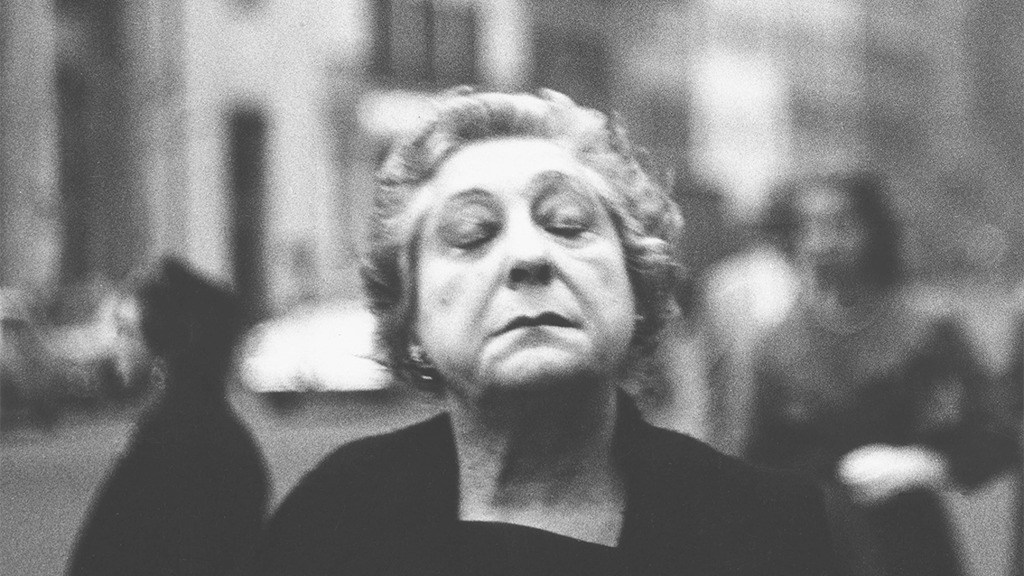
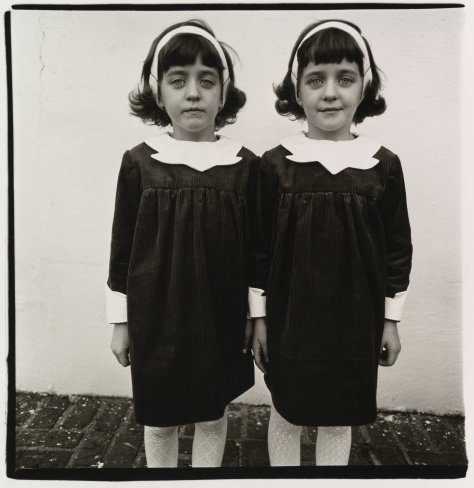
Was Diane Arbus the Most Radical Photographer of the 20th Century?

If you have ever seen a Diane Arbus photograph you will remember it, and her very personal style. That can only be said about few photographers.                                               Thank you Leif Skoogfors for sharing this interesting article.

© Diane Arbus

A new biography and Met exhibit show how she sacrificed her marriage, her friendships, and eventually her life for her career as an artist living on the edge.

By

Diane Arbus’s last known negative is labeled “#7459.” She found herself unable to imagine past that number.

http://nymag.com/thecut/2016/07/diane-arbus-c-v-r.html

12-image-diane-arbus-secondary-1-w1024

12-image-diane-arbus-secondary-2

Finding patterns in Australian farmland

I´d like to go to Australia! Ladies and gentlemen I give you Josh Smith. 😊  Pelle

“The end game for me is producing these series as fine art”.

© all photographs Josh Smith. Article in BBC.

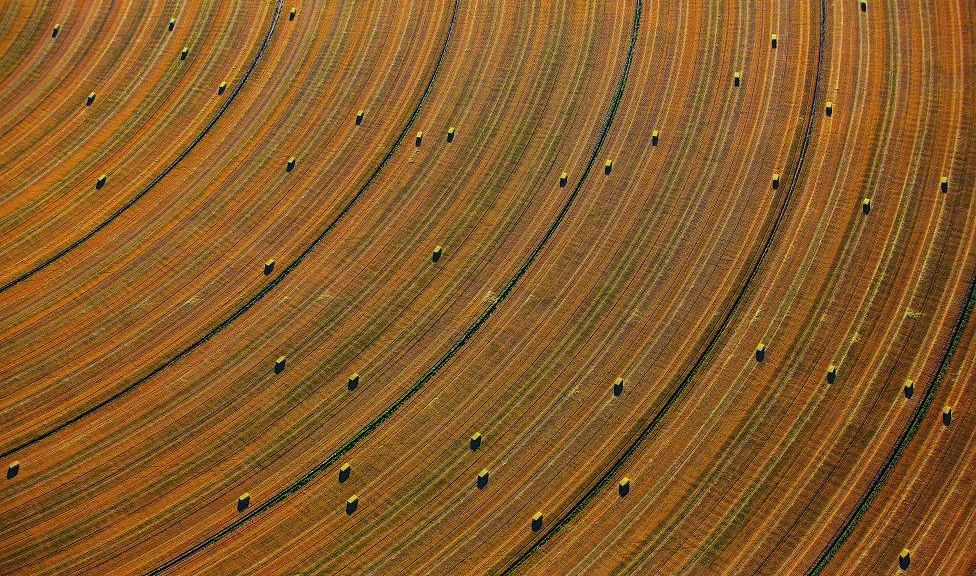
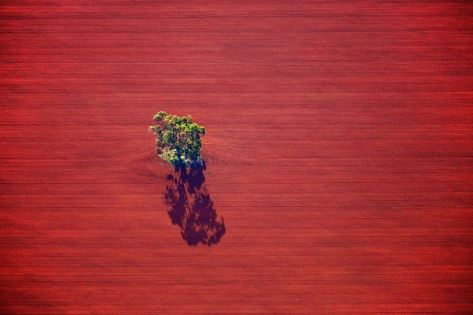
Flying high above farmland, photographer Josh Smith captures colours and patterns not usually associated with rural Australia.

http://www.bbc.com/news/world-australia-38888453

_94006992_14305b65-2eab-412f-be37-17c11c9ddf16His often abstract images feature subjects like machinery sculpting lines into a vast frame.

_94006993_a1405267-ed49-4374-8fce-0f513f3eb09aHis often abstract images feature subjects like machinery sculpting lines into a vast frame.

_94006997_bd80a3ef-04b3-4ae9-89dd-c6b2ec69713b It was a hobby until 2011, when his aerial shots of floods in Queensland and New South Wales were featured in a major newspaper.

_94007052_fertappSo he took to the skies, hoping to draw attention to how food and clothing is produced.

_94007055_202a3807-1a9f-4245-923b-4738de7a0996“Here in Australia, we’ve got farmers producing the highest quality produce anywhere in the world,” he said.

Please like if you like, 😉 Pelle