Category Archives: professional photography

Back on the track

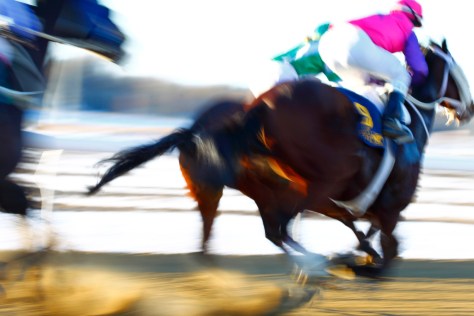
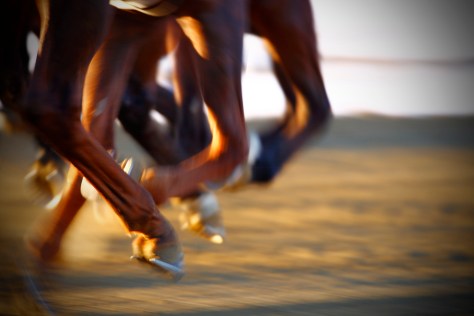
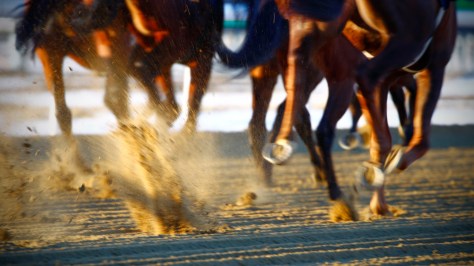
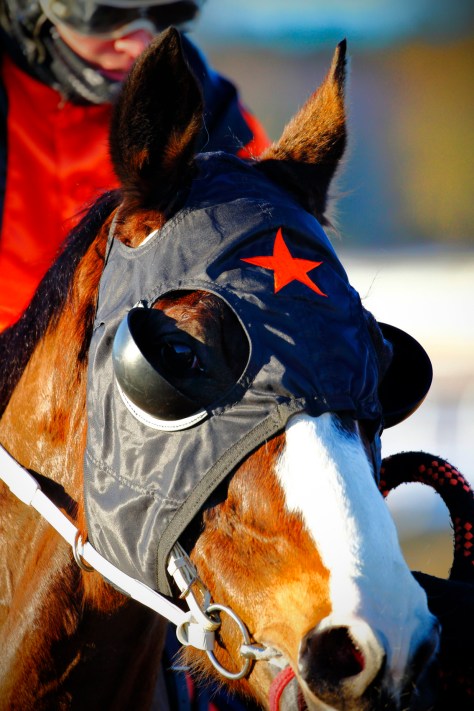
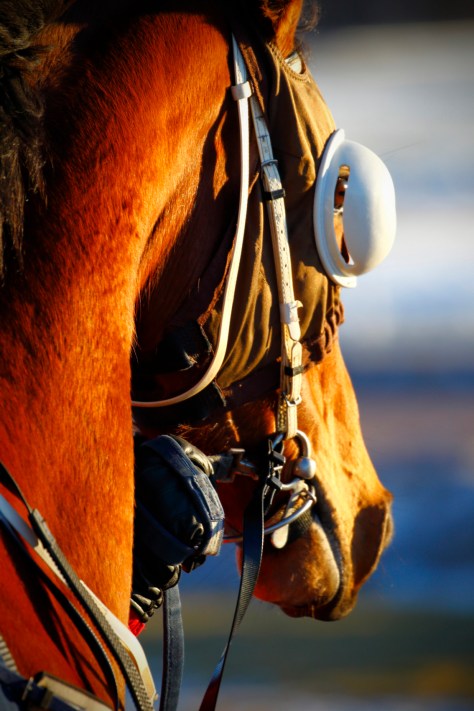
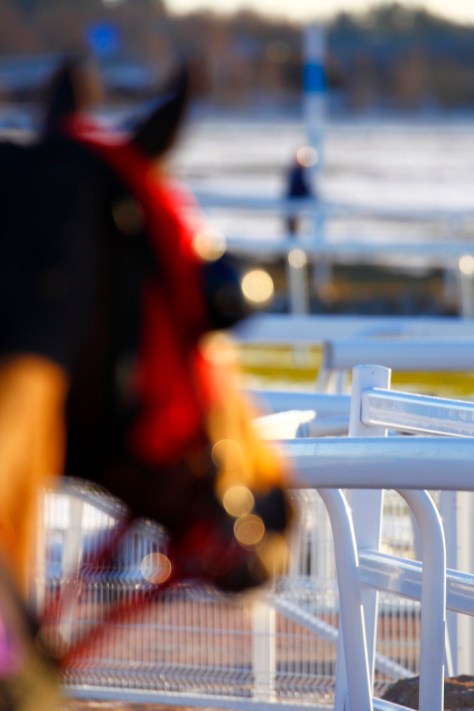
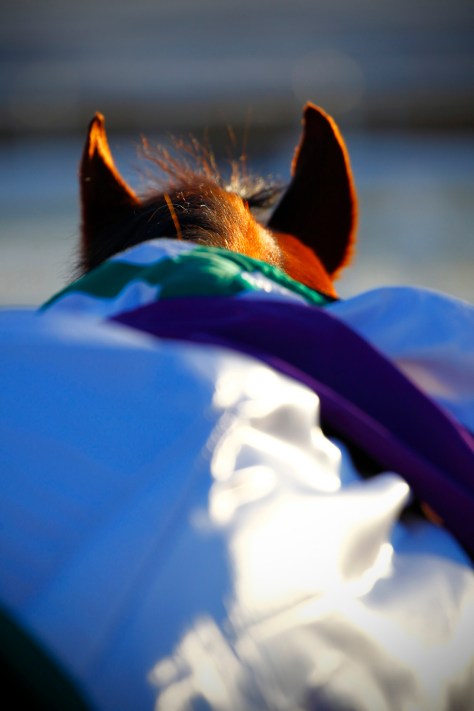
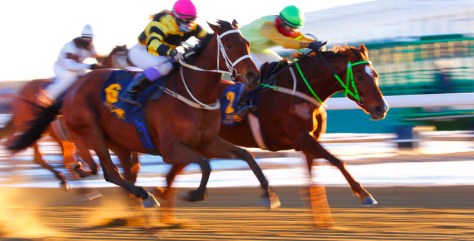
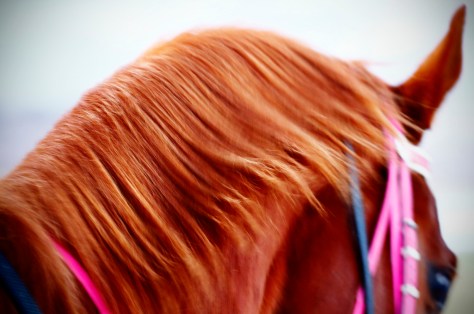
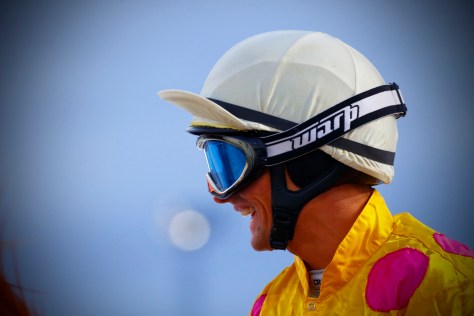
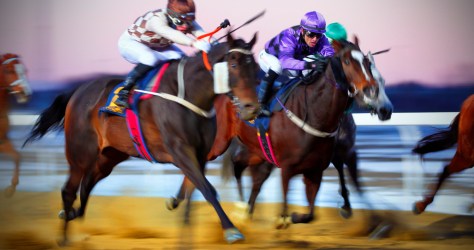
After a long absence from the race track, I was back yesterday at Bro Park to photograph horse racing again. This is not Abu Dhabi or some other warm place, this is Sweden in the middle of our winter. Degrees below zero and freezing cold for the jockeys. Imagine sitting on a horse in full speed with as light gear and clothes as possible. What the horses think I don´t know. Here is my collection of images from yesterdays competitions.

😊🏇😊  Pelle

_mg_7691

_mg_7792

_mg_7797

_mg_7871

_mg_7877

_mg_7914

_mg_7960

_mg_7964

_mg_8129

_mg_8204

_mg_8275

_mg_8451

_mg_8473

_mg_8508

_mg_8540

_mg_8652

The Art of Building 2016

The 15 finalists of this year’s Art of Building architectural photography competition have been selected from thousands of entries. Here ( BBC ) we present the photos along with a comment from each photographer.

http://www.bbc.com/news/in-pictures-38301001

I picked these up at BBC. I like the one with ladders especially. That is also an art of building a building. 😉

About the above image: Jonathan Walland: “This is part of a series of photographs demonstrating how the absence of light can be used to divert the attention of the observer towards what the photographer intended to highlight.”

😊

_92947488_4_flatiron_building_in_a_snowstorm_by_michelle_palazzo

Michele Palazzo: “New York City’s iconic Flatiron building emerges from the blizzard, like the bow of a giant ship ploughing through the wind and the snow. Taken during the historic coastal storm, Jonas, on 23 January 2016, the photograph went viral during the aftermath of the storm.”

_92947638_15_jeporeka_by_enrique_gimenez-velilla

Enrique Gimenez-Velilla: “This photo seeks to pay homage to all the clever unknown workers that still build and maintain built infrastructure in the developing world.”

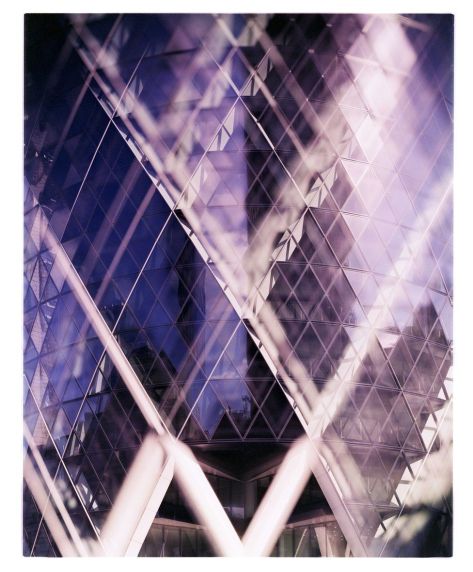
_92948185_12_the_gherkin_by_james_tarryJames Tarry: “This series is about looking past imperfections and ‘incorrect’ architectural photography techniques. The expired Kodak Ektachrome was developed in the ‘wrong’ chemicals to produce these big slabs of often other-worldly colour. These are flawed and hopefully challenging, just like some of the buildings themselves.”

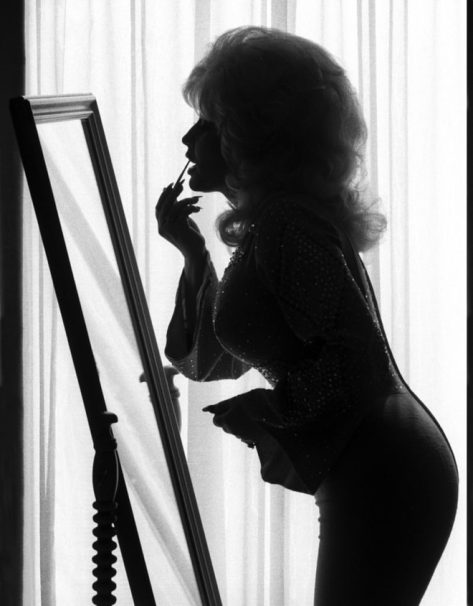
Harry Benson Shooting Rock History

http://www.rollingstone.com/culture/pictures/revered-photographer-harry-benson-talks-iconic-shots-w454843

Being a music nerd myself I find these images wonderful. Some truly amazing images and stories to go with them.  Some images are composed while other let you hear the wings of music history. All the way from Sinatra to Beastie Boys. And now Dylan is coming to Stockholm, still going strong.

In a new documentary about his life and work, Harry Benson: Shoot First, his famous subjects-turned-admirers.

“what makes his photographs so memorable: they’re surprisingly candid and humanizing in a way that’s often lost in more controlled photography settings. “I hate studio pictures,” he told Rolling Stone earlier this week. “I like everything out of control. Like myself!” 

The article from Rolling Stone and all images © by Harry Benson.

bruce-dylan-benson-1985-med-5af0100d-e885-4fcb-800c-10c0e7a9f1c3

dolly-parton-nashvilleharry-benson-1976-med-a6fbfa85-7a75-459f-aa80-4cf9c8a95812

A photographer’s poetic images of paper

Whao!!! Amazing and beautiful. The best i have seen for a very long time.

I found it, to my happiness, in The Washington Post. See the whole series with the link.

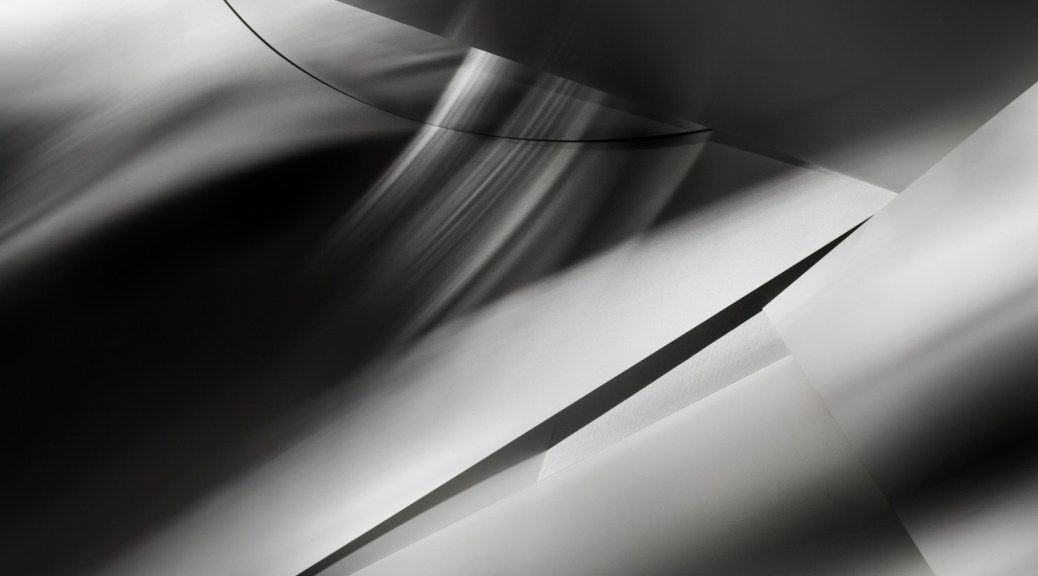
“Counterpoint #11.” (Scott F. Smith) is the image above.

There is no guiding force in Scott F. Smith‘s series, “Paper,” except instinct. Beginning with a pristine sheet, Smith makes a series of clean slices. It’s an engaging process of delicate manipulations: pulling the paper, carving it, and modulating light to reveal its inner corridors.

In addition to his studio lighting setup, Smith has a collection of tiny flashlights that he uses to target nooks in his pieces. He uses them to experiment on various types of paper.

Smith is fascinated with the idea of using simple materials as a conduit for expressing different qualities of light. It started when he was a photography student and was given a “white on white” assignment — shooting a white object on a white background — to demonstrate that a huge range of tones could be produced by harnessing light. Smith has since also studied light’s interaction with stone and ice.

Having worked for years printing photographs in darkrooms before going digital, part of this project is connected to his nostalgia for the manual parts of the process. “The draw is just the physical connection,” he said, “In the old days when you had a print in the developer, or you try to massage highlights to get details. … It’s a way to stay in touch with physical, tactile engagement with materials.”

The paper in this project, though, is simply a means to an end. Although he hasn’t thrown any of his paper pieces out (“I’m a little attached,” he said), he primarily hangs on to them to show viewers what his pieces are made of. His main goal is to create abstract images that remind the viewers of other objects or emotions. The most important thing in Smith’s eyes is not the paper, but the resulting photograph.

http://wpo.st/ZTH92

imrs-4

imrs-5

😊 Pelle
Don´t miss!

I am afraid I will, and I am very sorry for that. If you live close enough you SHOULD go there. Paul Biddle is a very good friend of mine, and one of the best photographers that I know. And know of. He has the gift to always creating interesting and surprising images from his imagination.

Photography  is also, among many other things, capturing dreams. Seeing the inner vision and to let that come out. Paul is one of the best. I am sure that he and his colleagues will create a wonderful exhibition that will open up your fantasy as well. Go see!

Labels: Cartography of Dreams, Dimbola Museum and Gallery, Fran Forman, Jonah Calinawan, Maxine Watts, Paul Biddle, Reclaim Photography Festival, Surrealist Photography, Tami Bone

http://paulbiddlephotographer.blogspot.se/2016/09/the-cartography-of-dreams.html?utm_source=feedburner&utm_medium=email&utm_campaign=Feed:+PaulBiddlePhotographer+(Paul+Biddle+Photographer)

😊 Pelle

Essential Elements

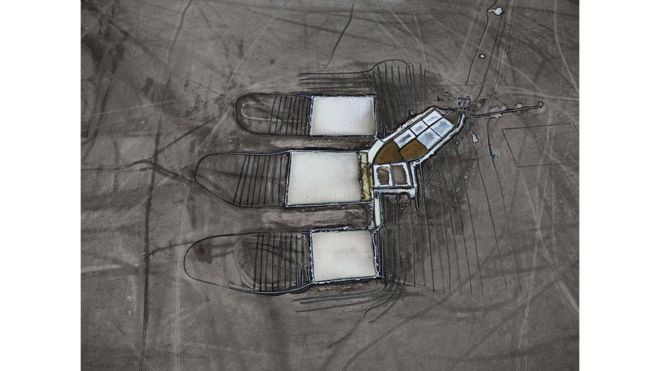
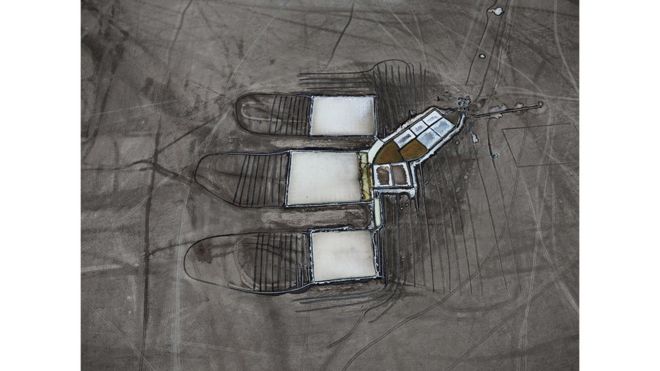
Or perhaps human patterns. Any way it is very interesting what a curious and sensitive eye can see from above. Another reason to go to London.

http://www.bbc.com/news/in-pictures-37347873


Bruce Davidson.

https://www.washingtonpost.com/news/in-sight/wp/2016/09/15/the-unforgettable-images-of-legendary-photographer-bruce-davidson/?hpid=hp_no-name_photo-story-b%3Ahomepage%2Fstory

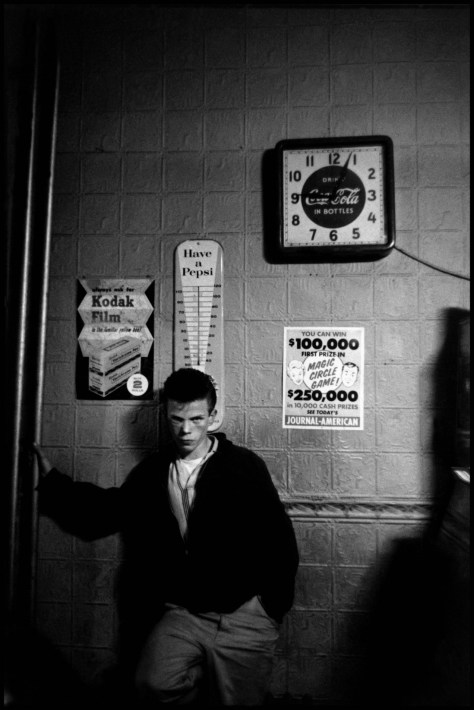
Photographer Bruce Davidson was shooting scenes of urban poverty on East 100th Street in New York, when a woman asked him why he was there. When he said he was shooting images of the ghetto, she responded, “What you call a ghetto, I call my home.”

Davidson, a member of the Magnum Photos collective, worked hard to balance the dire situations that residents lived in with moments of beauty and resilience. It was also a common thread throughout his life’s work. No matter the situation, Davidson’s subjects maintained their inalienable right, as humans, to dignity. This is apparent in Davidson’s book, “Bruce Davidson” (Prestel, May 2016), a collection of his most important work including the civil rights era, the subway, a circus and a Brooklyn gang.

While Davidson could take a photo in an instant, reform came slowly. “[My work] doesn’t change anything overnight,” he said via email, “No matter how long I photographed on East 100th St., it wasn’t going to change that fast.”

And I wonder, where are they now? What happened to their lives?

@ Bruce Davidson/Magnum Photos

I found it in The Washington Post

😊   Pelle

imrs-1

imrs-2

imrs-3

Marc Riboud remembered

This will be the year , unfortunately, when many of the most talented left this life. Read more and learn about Marc Riboud.

This is from The New York Times.

Mr. Riboud’s career of more than 60 years carried him routinely to turbulent places throughout Asia and Africa in the 1950s and ’60s, but he may be best remembered for two photographs taken in the developed world.

The first, from 1953, is of a workman poised like an angel in overalls between a lattice of girders while painting the Eiffel Tower — one hand raising a paintbrush, one leg bent in a seemingly Chaplinesque attitude.

The second, from 1967, is of a young woman presenting a flower to a phalanx of bayonet-wielding members of the National Guard during an anti-Vietnam War demonstration at the Pentagon.

Both images were published in Life magazine during what is often called the golden age of photojournalism, an era Mr. Riboud exemplified.

http://www.nytimes.com/2016/09/01/world/europe/marc-riboud-photographer-dies.html?_r=0

More sport photos

This time from BBC, and a look into the history of amazing sport photos.

About the top image:

“Bob Martin’s photograph is so beautifully composed, so structured, that it is only afterward the details come into focus,” writes Buckland. “This is the Paralympics. The rules of swimming are almost identical to the regular Olympics but no prostheses are permitted. Torres has left his legs behind.”

http://www.bbc.com/culture/story/20160816-nearly-200-years-of-incredible-sporting-photos

😊  Pelle