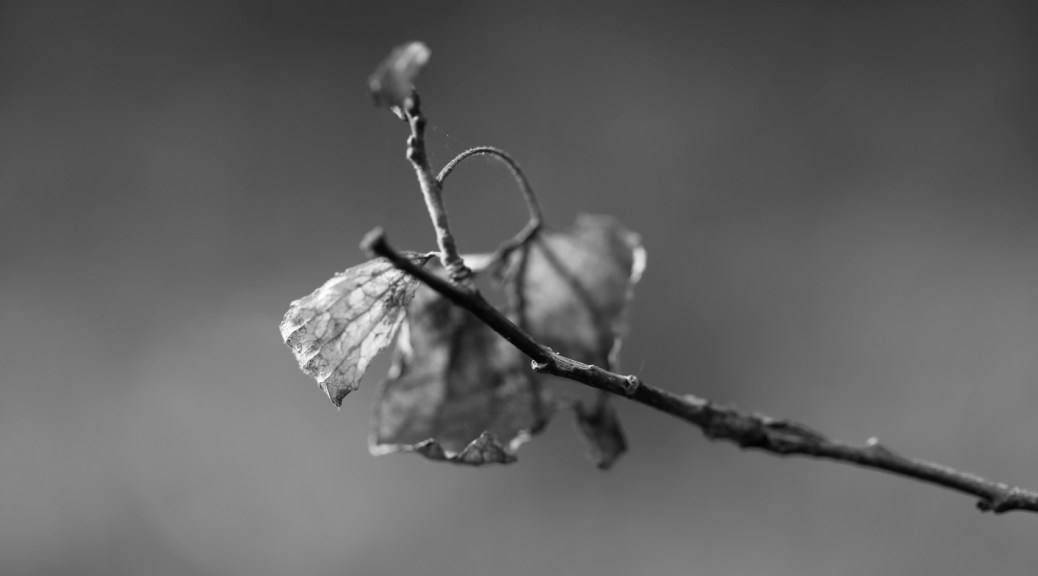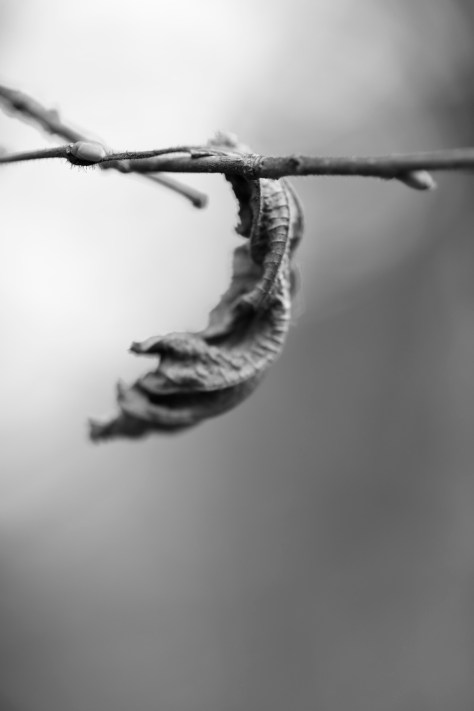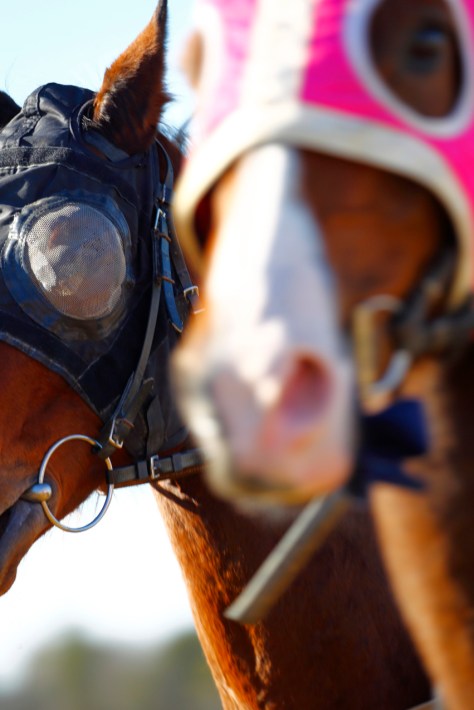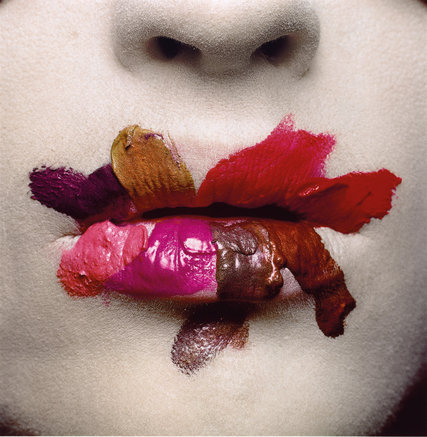
Just checking out a new camera, EOS 5D mklV. Larger file size and quicker focus. A nice friend to bring along on todays walk. Together with a Macro f100 2.8.😊 Pelle


Just checking out a new camera, EOS 5D mklV. Larger file size and quicker focus. A nice friend to bring along on todays walk. Together with a Macro f100 2.8.😊 Pelle


Once a photographer, always a photographer. You don´t have a career for 50 years if you´re not a photographer by heart. A great title for the book. 😊 Pelle
He was best known for his Pulitzer prize-winning photo, Saigon Execution, but Eddie Adams won over 500 awards for his work, throughout a 50-year career. Starting as a photographer in the marines, he covered war zones, refugees, riots and celebrities. Eddie Adams: Bigger Than The Frame is published by the University of Texas Press.
From The Guardian.

Servicemen lift President John F Kennedy’s casket off a caisson in front of the Capitol, 24 November 1963.

Marine Corps recruit depot, Parris Island, South Carolina, 1970.
I missed them all yesterday. Almost… 😊🏇😊 Pelle


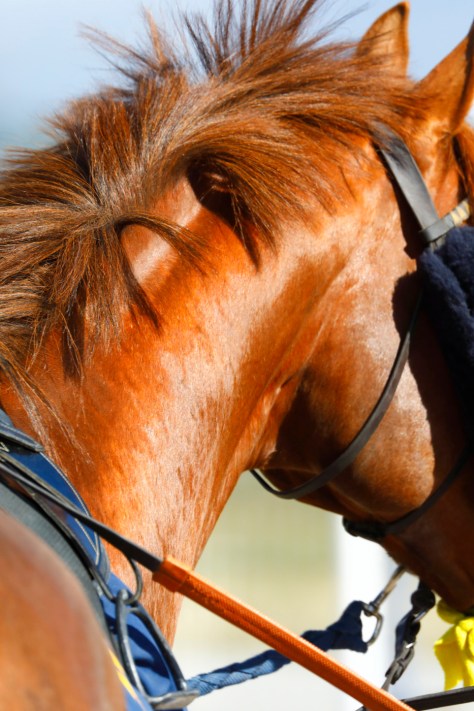
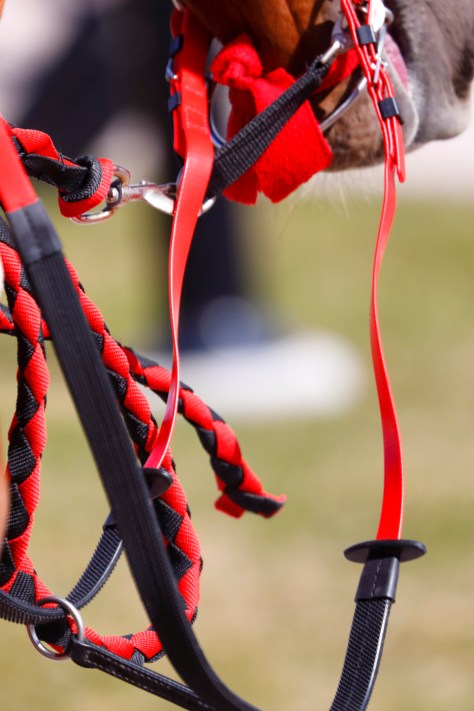
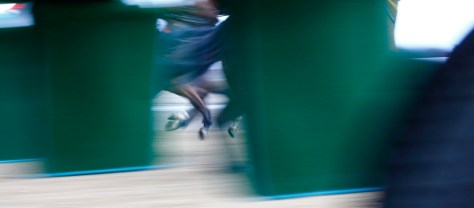
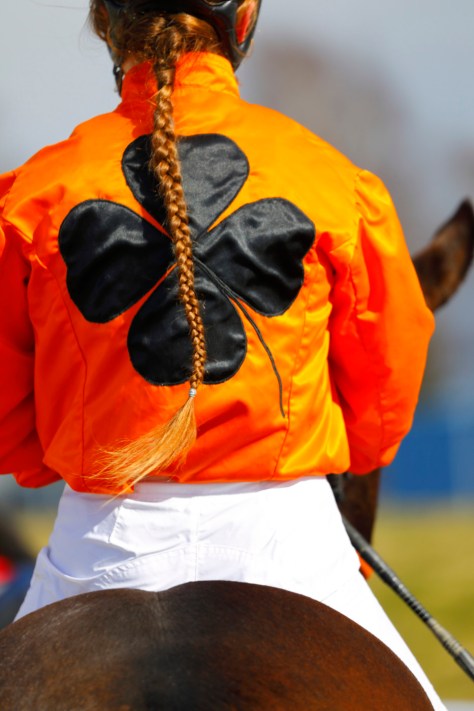
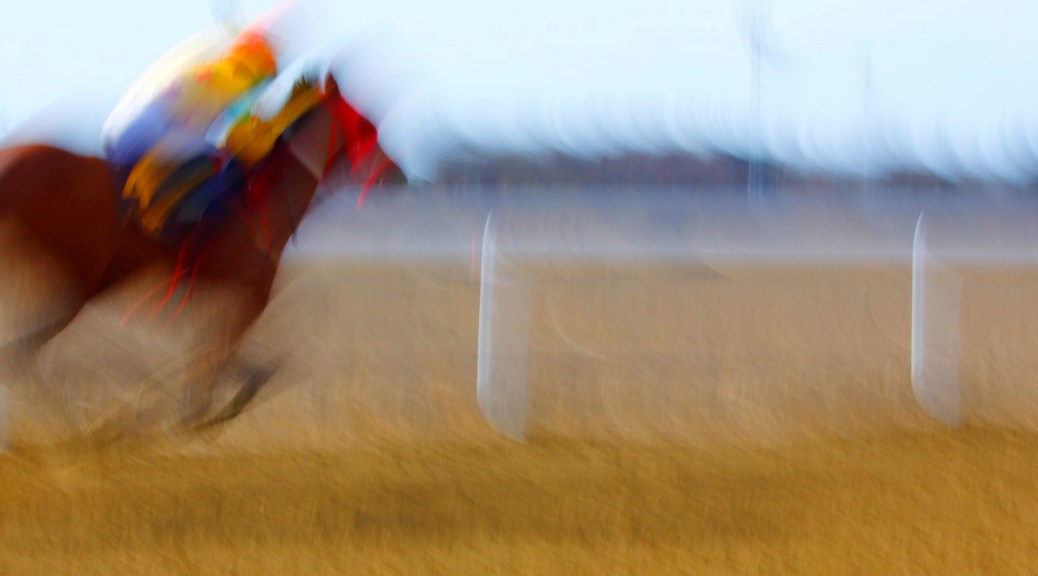
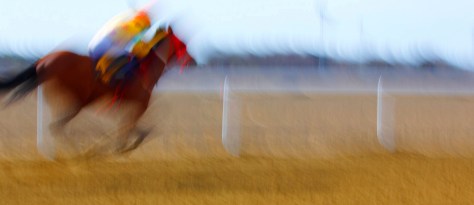
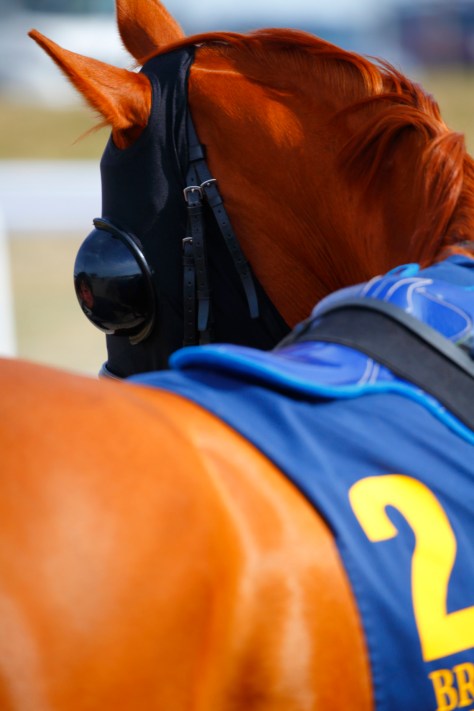
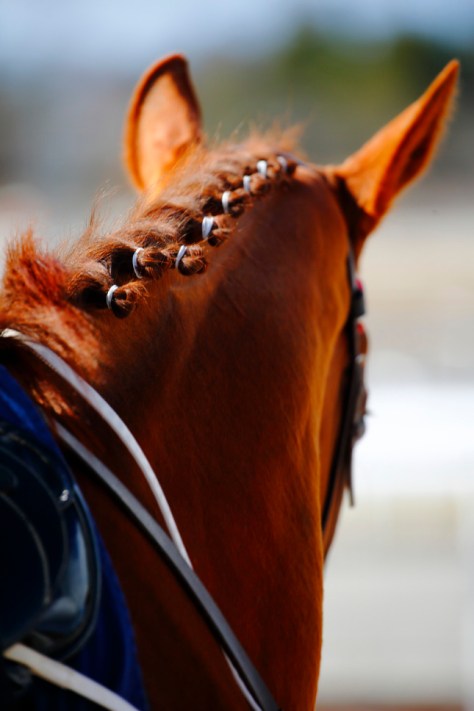
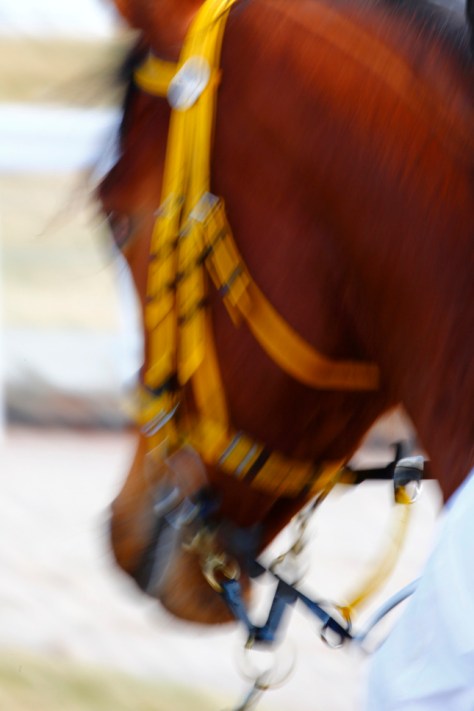
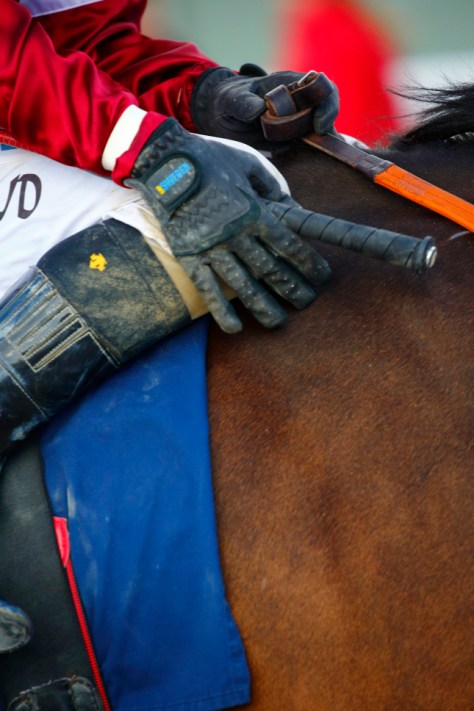
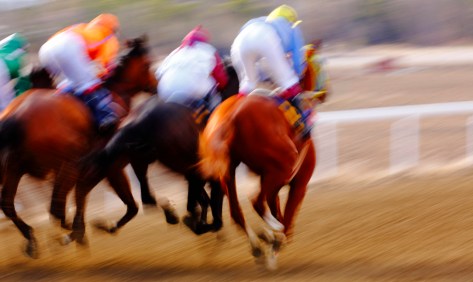
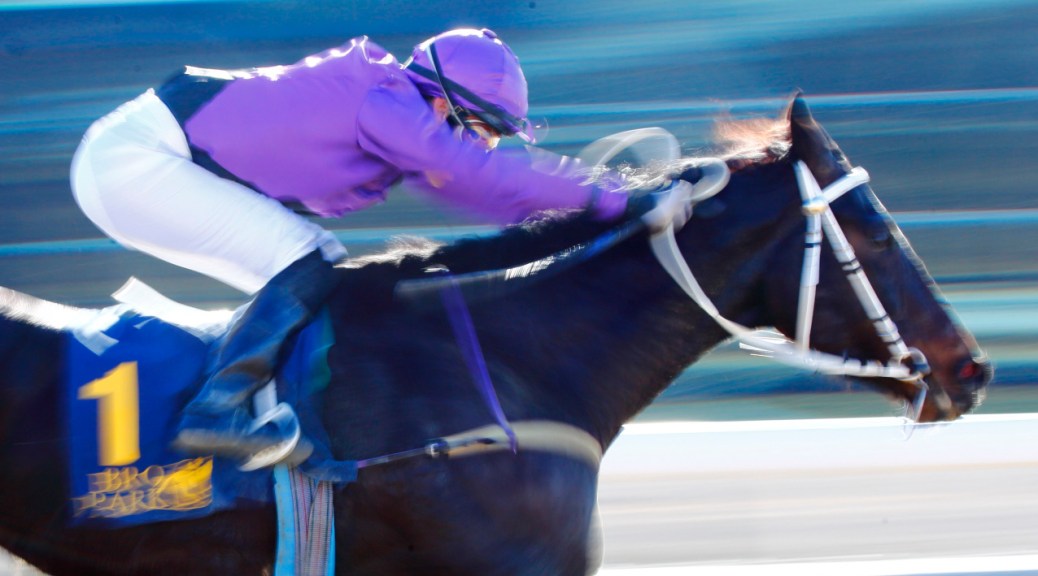
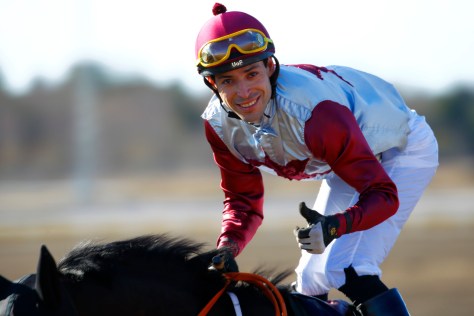
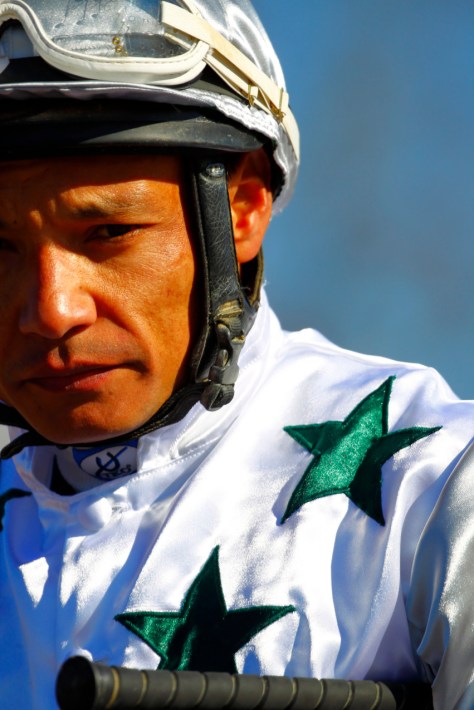
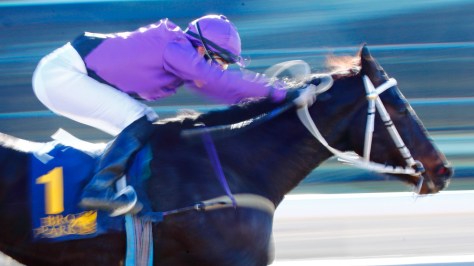
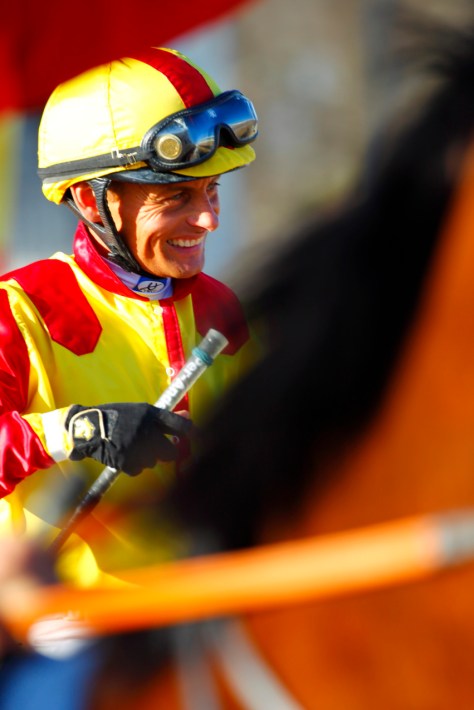
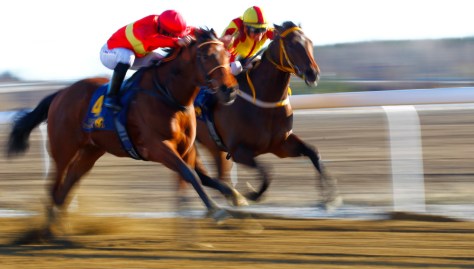
When I go to a horse race to photograph I make no promises. Not to me or anyone else. No promises that my images should be sharp, show what horse or jockey, or anything. I go there with total freedom for creating and I don´t listen to nobody. Surprise me! That is all that I say to myself. Because of that I don´t really know until afterwards in the studio what I brought back. Is it useful and did I surprise myself. Do I like it? At the bottom I have included two of my friends and colleagues. Wolfram and Elina.See you on Sunday again.
Only two images are cropped…
This is a small selection from yesterdays 979 exposures. The one at the top is my favorite.
😊🏇😊 Pelle


Believe me, without images to catch your interest…
😊 Pelle
Magnum has always been, and is always great photography by great photographers. Oh, there are SO MANY exhibitions I would like to see…
I found this in The Guardian.
😊 Pelle
As part of its 70th anniversary program, Magnum Photos is holding an exhibition of photographs taken in New York City during the early years of the agency, from 1947 to 1960. The show includes classic images from their archive, as well as pictures from their New York office. Early Magnum In & On New York is at the National Arts Club Grand Gallery until 29 April, can be viewed online and prints purchased through Magnum.
Image at the top:
Photographers Elliott Erwitt and Henri Cartier-Bresson, 1959
Photograph: Marc Riboud/Magnum Photos

New York, 1955
Photograph: Elliott Erwitt/Magnum Photos

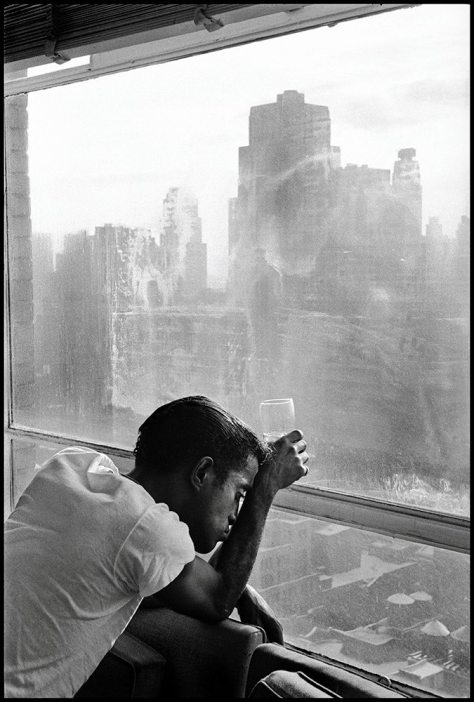
Sammy Davis Jr looks out a Manhattan window, 1959
Photograph: Burt Glinn/Magnum

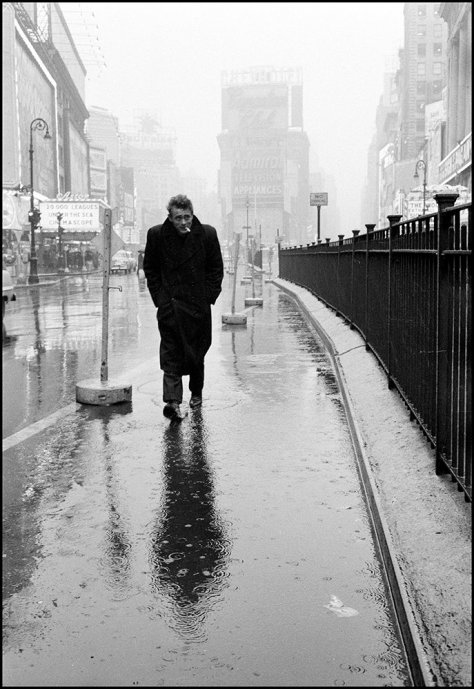
James Dean in Times Square, 1955
Photograph: Dennis Stock/Magnum Photos
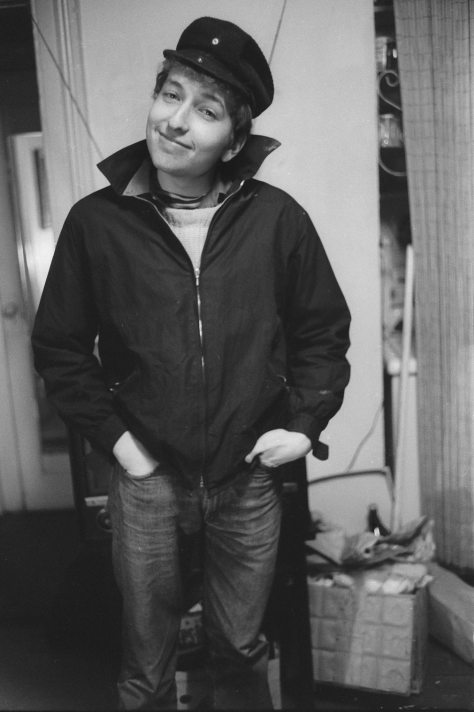
Great to see these images from a young Bod Dylan! I was happy to attend his first concert here in Stockholm last Saturday after that he received The Nobel price. A great concert by a great artist. He has changd his hat. 😊 Pelle
As Bob Dylan accepts his Nobel prize for literature this weekend, an exhibition of photographs of him on the cusp of international fame is planned to open in New York. The photographer Ted Russell first met Dylan in 1961 and his intimate pictures of Dylan performing, and at home, are the subject of a show at the Steven Kasher Gallery featuring dozens of images never before seen in the city. Bob Dylan NYC 1961–1964 opens on 20 April and will run until 3 June.
https://www.theguardian.com/music/gallery/2017/apr/01/portraits-of-a-young-bob-dylan-in-pictures

Yes they are. And the sun was shining. The horses were racing and I felt rusty. Here is however today’s selection. That said, I think the spring is here. Finally. As always I get my surprises back in the studio.
😊 Pelle


Simple, beautiful and emotional. There are still great ideas and photographs out there just waiting to be made. 😊 Pelle
© Wes Bell, and the article was found in The Washington Post.
Wes Bell’s series “Snag,” inspired by the death of his mother, takes a beautiful and simple idea and infuses an ordinary scene with great emotional power. There is beauty, loss and poetry in every frame. After 20 years in New York working as an international fashion photographer, Bell returned to his birthplace and to fine-art photography in Alberta, Canada.
In describing this work, Bell said: “Three years ago, I was leaving for the airport after saying goodbye to my mother. She was dying of cancer. On the long drive across the Alberta prairie, I found myself distracted by flapping remnants of plastic bags, caught in barbed-wire fences that lined the ditches. Whipped violently by the wind, they were left shredded and lacerated, but trapped nonetheless in the no man’s land of boundary fences, neither here nor there. Thinking about mortality, pain and death in the context of my mother’s terminal illness, these forgotten shreds of plastic took on a deeper significance — Snag.”
Loss and remembrance are universal, and Bell makes feeling those emotions accessible and visible.


Interesting read from NY Times written by Teju Cole. Teju Cole is the magazine’s photography critic and the author, most recently, of the essay collection “Known and Strange Things.” Read more in the full article!
Images make us think of other images. Photographs remind us of other photographs, and perhaps only the earliest photographs had a chance to evade this fate. But soon after the invention of photography, the world was full of photographs, and newly made photographs could not avoid semantic contamination. Each photograph came to seem like a quotation from the great archive of photographs. Even the earliest photographs are themselves now burdened by this reality, because when we look at them, we do so in the knowledge of everything that came after. All images, regardless of the date of their creation, exist simultaneously and are pressed into service to help us make sense of other images. This suggests a possible approach to photography criticism: a river of interconnected images wordlessly but fluently commenting on one another.
A photograph can’t help taming what it shows. We are accustomed to speaking about photographs as though they were identical to their subject matter. But photographs are also pictures — organized forms on a two-dimensional surface — and they are part of the history of pictures. A picture of something terrible will always be caught between two worlds: the world of “something terrible,” which might shock us or move us to a moral response, and the world of “a picture,” which generates an aesthetic response. The dazzle of art and the bitterness of life are yoked to each other. There is no escape.