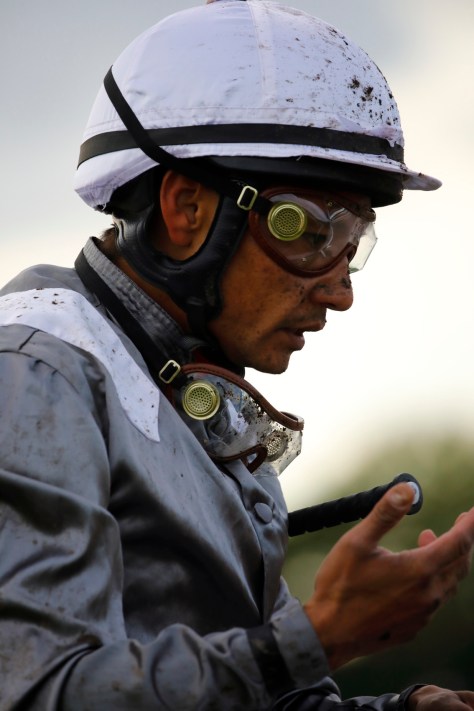
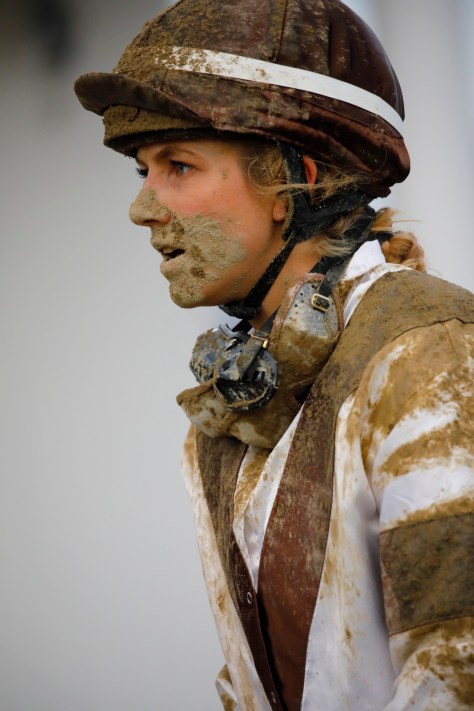
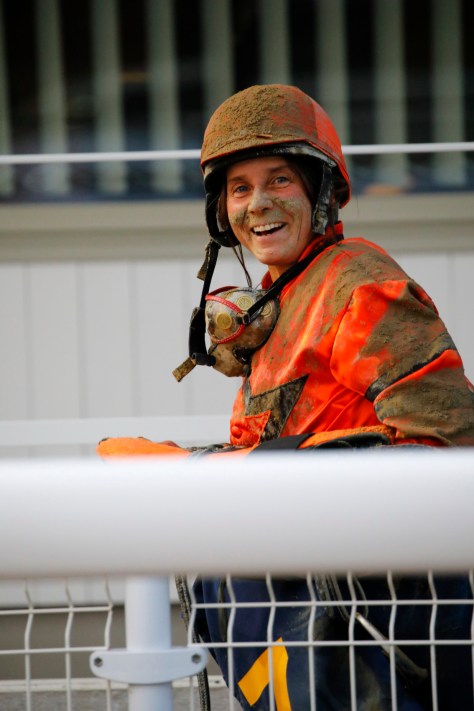
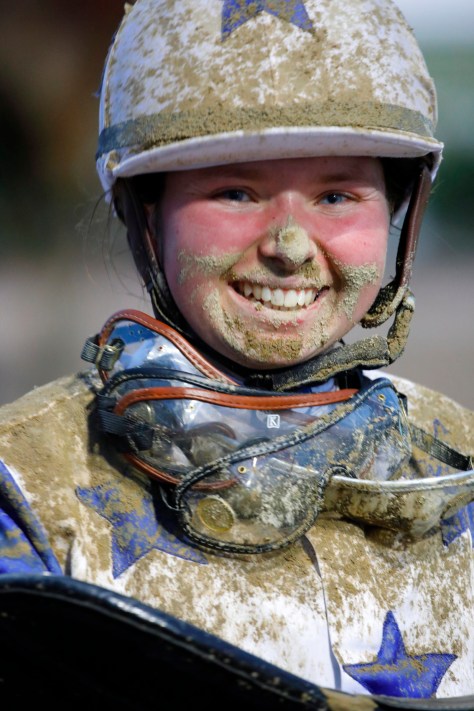
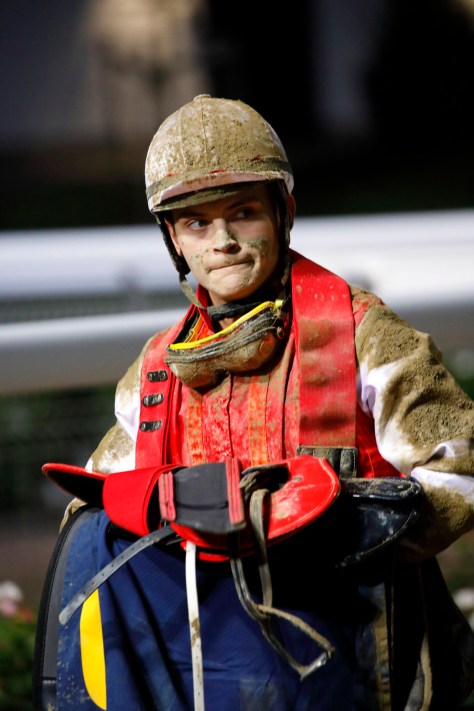
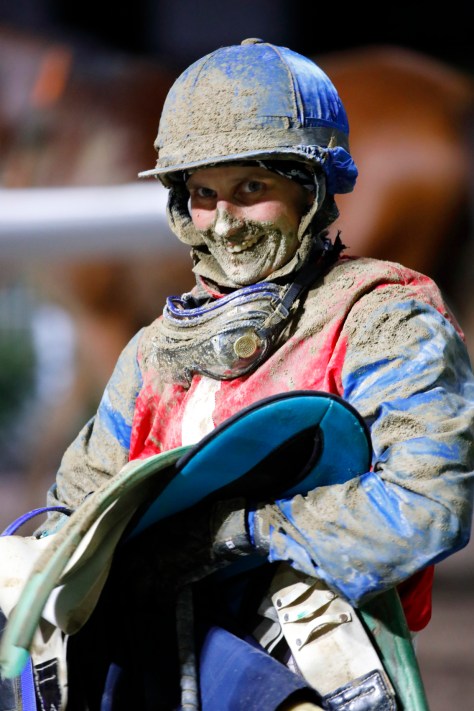
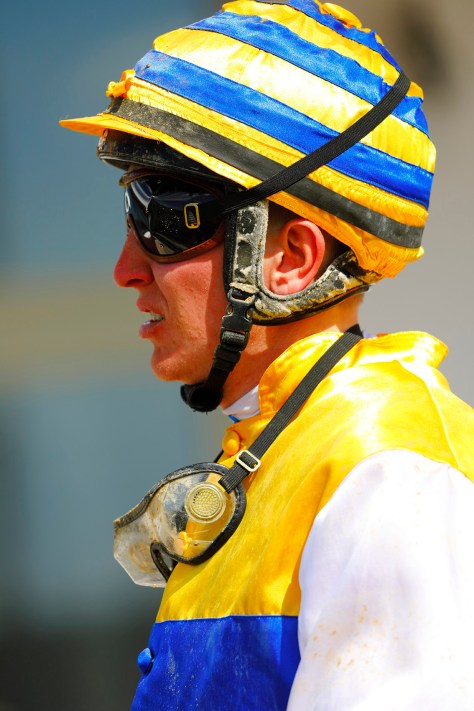
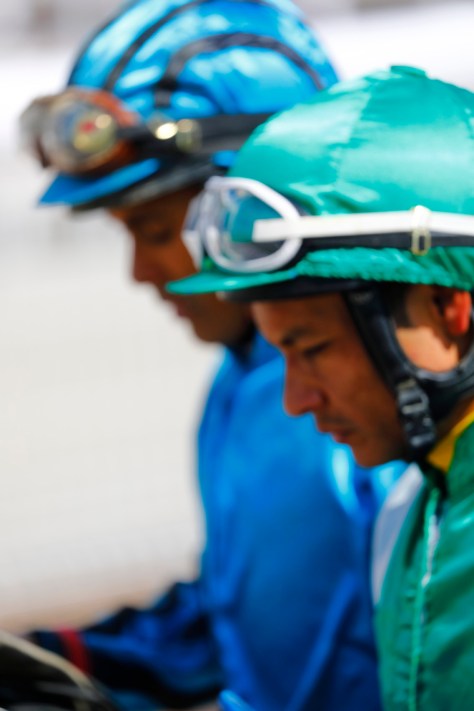
Some like to get their faces dirty. Like some jockeys. Yesterday was an evening on the dirt track, and though it was really dirty there was a very friendly and good atmosphere. Many of them realised the situation and my interest in their dirt covered faces. I think they really enjoyed it. However the evening races are tricky with the flood lights. I am looking forward to another day race soon.
Together with Avedon, Penn, Steichen, Strand, Arbus, Cartier-Bresson, Albert Watson and a few more, he is one of the truly great photographers. For me. They are all different and perhaps I should not compare them. So I don´t. Read the article from The Guardian, by Sean O `Hagan.
See the images and imagine the sound that he recorded. 😊 Pelle
Smith took many famous pictures, but also taped hours of audio of jazz greats, writers and artists of the day in his New York loft. A new book explores his strange world
Smith was perhaps the single most important American photographer in the development of the editorial photo essay. His visual narratives, usually published in Life magazine, were often brutally atmospheric. He evoked the horrors of the second world war in the Pacific, where he was injured by mortar fire, and chronicled the working life of Dr Ernest Ceriani in the small town of Kremmling, Colorado, in his 1948 series, Country Doctor, now recognised as the first extended editorial photo story.
In 1955, Smith became a member of the Magnum picture agency, travelling to Pittsburgh for his first assignment, which entailed producing 100 photographs in three weeks to mark the city’s first centenary. He worked on the project for three years, producing around 21,000 photographs. Today, his legacy is maintained by the W Eugene Smith Memorial Fund, which celebrates and encourages the kind of humanistic photography he pioneered, if not the impossible tasks he set himself and his beleaguered editors.
A US soldier during the final days of fighting to gain control of the island of Saipan from occupying Japanese forces during the second world war. Photograph: W Eugene Smith/Life/GettySmoke pours from the chimneys of an Ohio steel mill in a 1949 picture for Life magazine. Photograph: W Eugene Smith/Life/GettyCountry doctor Ernest Ceriani photographed after having performed a caesarean section during which both baby and mother died due to complications. The picture, taken in Kremmling, Colorado, was part of Smith’s groundbreaking photo essay for Life magazine in 1948. Photograph: W Eugene Smith/Life/Getty
These days fake is a common word. Many people present alternative facts and want us to beleive in their truth. This is a very interesting test I noticed in the Washington Post. Read the article and do the test. I have. The research was done in England.
So amid this fakery and our obsession these days with “fake news,” just how good are we at separating fact from fiction when it comes to photos?
Not good at all, says Sophie J. Nightingale, who researches cognitive psychology at the University of Warwick in England.
However, a personal thought. If something is added on a picture, or removed, is very difficult to see and understand. The image of the person at the top of the article is easy. Don´t you agree?
Anyway, we need to be aware and look out for this. By the way, I had 4. But it could easily have been zero.
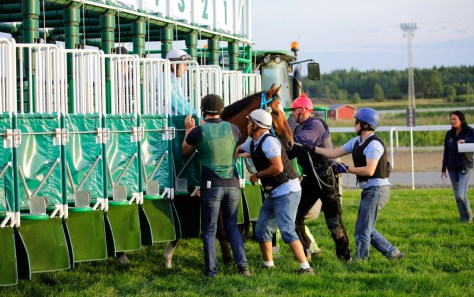
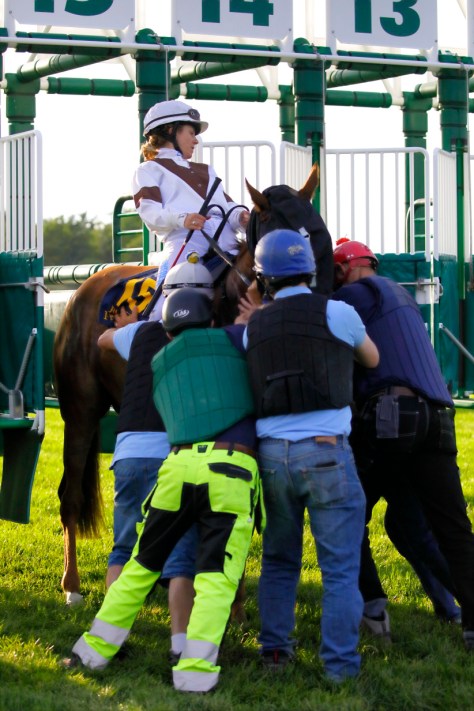
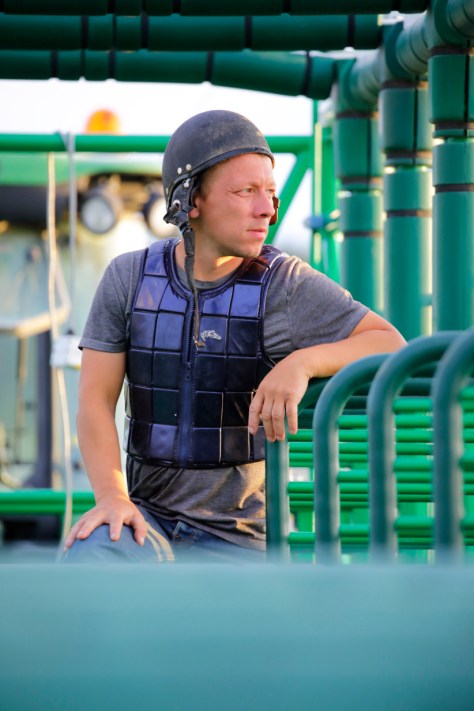
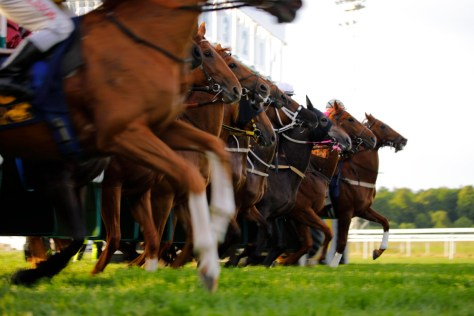
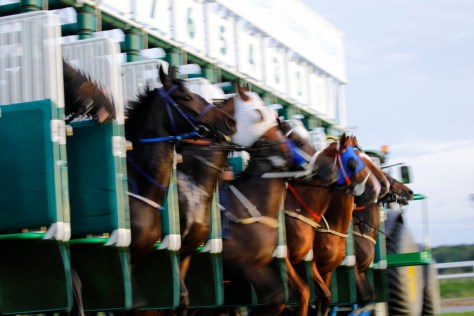
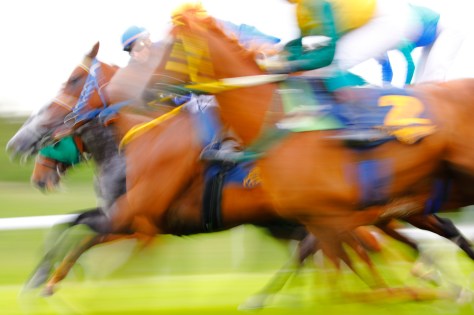
Yesterday was the final race before my exhibition at Jägersro in Malmö upcoming Sunday the 16th. I concentrated on the start. The starters are cool people. Not all horses like to go into the boxes, so some need help to get in. Horses are strong and you better watch out for kicks. One of the first thing I was told when I started photographing horse races was that there is no start car. On the dirt track, or grass, the horses are accelerating so much quicker. The starters has to be quick too. When all the horses are in the boxes they just want to get out of there and race.
Now my biggest problem for the exhibition is to make my final selection of images from all the thousands that I have. There will be just 10-12 to be exhibited.
With my upcoming exhibition at this years Derby at Jägersro, during their 100 year anniversary, I take every chance to get myself a larger selection of images to chose from. Yesterday I added a few more at Bro Park. Come see the exhibition at Jägersro in Malmö on the 16th of July. There will be lots of exciting activities at the anniversary, and great races off course. Welcome!
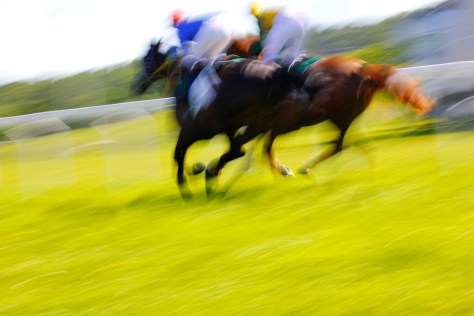
Yesterday the 6/6 was our national holiday here in Sweden with the annual horse racing at Gärdet, Nationaldagsgaloppen. The sun was shining and people came with blankets, picnic and wine. Or just water. It was a warm and hot day. I think the jockeys enjoyed themselves competing much closer to their audience and fans. There are not so many races on grass, so I like this, and dirt track is mostly not enough dirty …
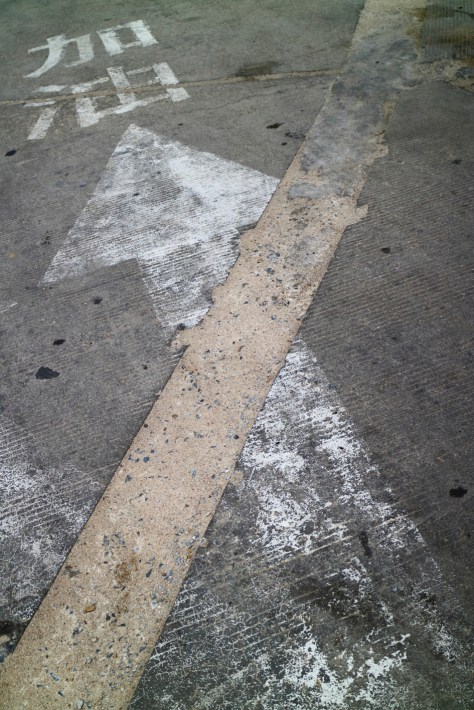
On my first trip to China recently I took some personal photographs. Very much street photography. China is a very interesting graphic country. What the signs say I don´t know, but I like the looks of them. The images below are mostly from the streets and I can imagine keep right and left…
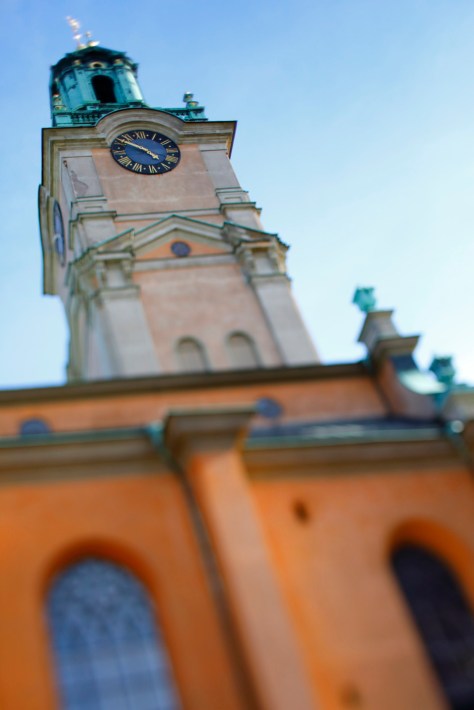
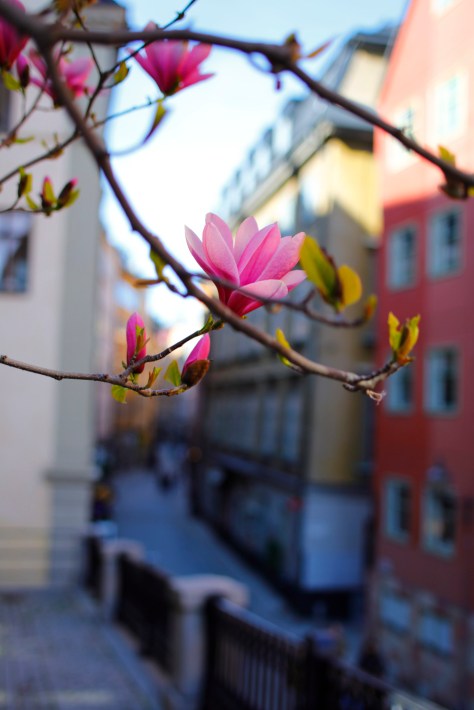
The other day I went to Old Town here in Stockholm. Already filled with lots of tourists. A great place to be. Many cafés and restaurants. Galleries and shops. I went there to test a favorite lens. A TS 45 mm. I like the way I can handle it. Like how I work with my Sinar view camera. Though it is so much smaller and comfortable to bring a SLR on a walk. This is how my images looks like. 😊 If you get a chance, visit our Old Town! You don´t have to walk among all the tourist shops. There are small adventures on every narrow side street. Perhaps you, as I did, just can stumble upon a small concert in a church.
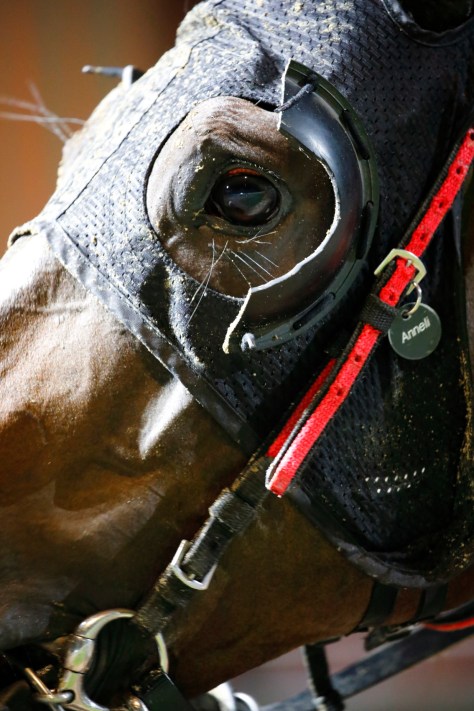
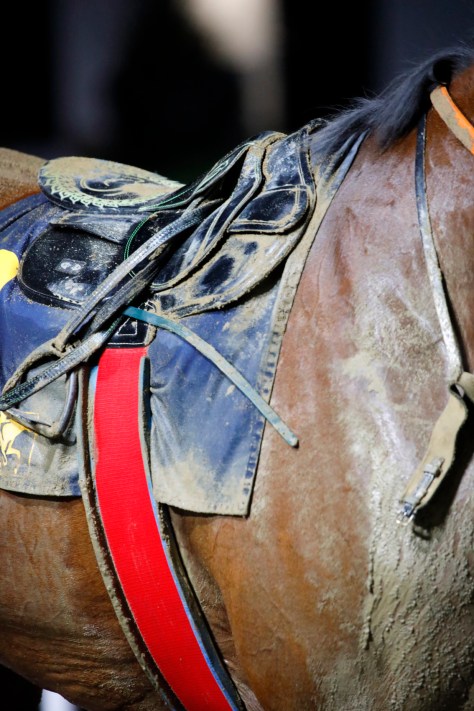
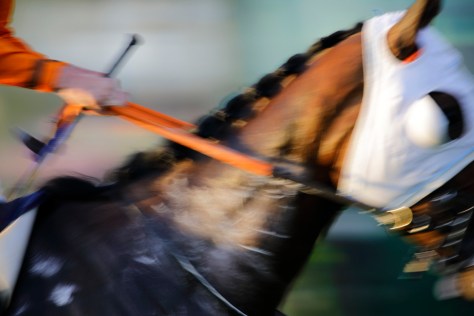
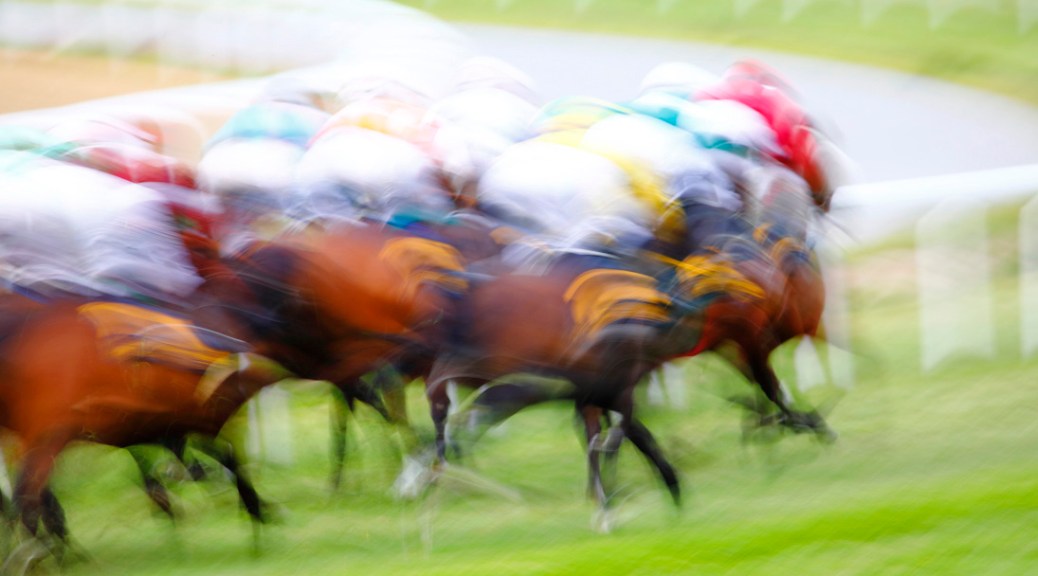
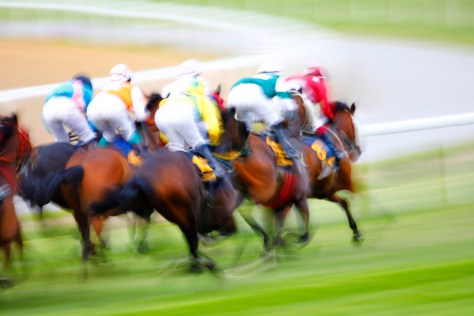
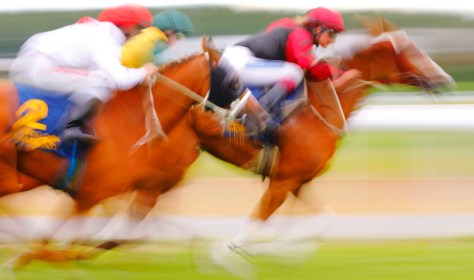
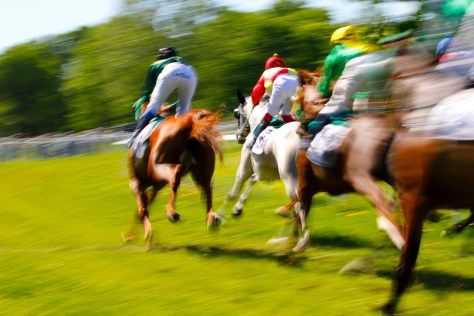
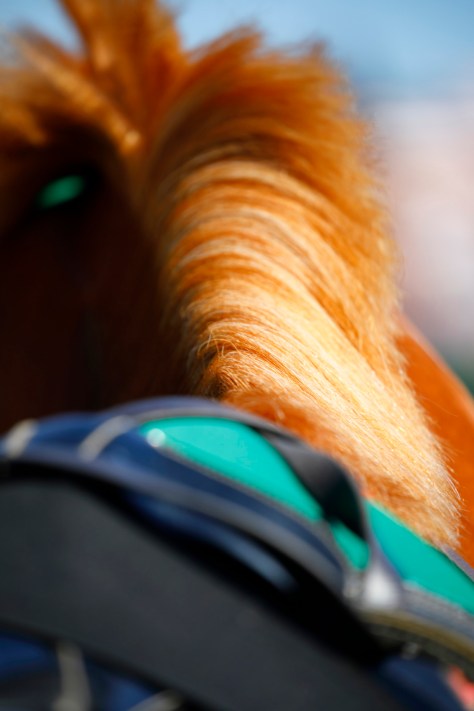
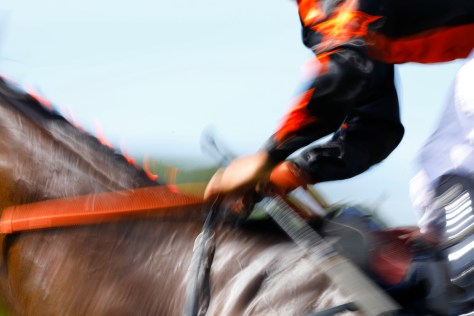
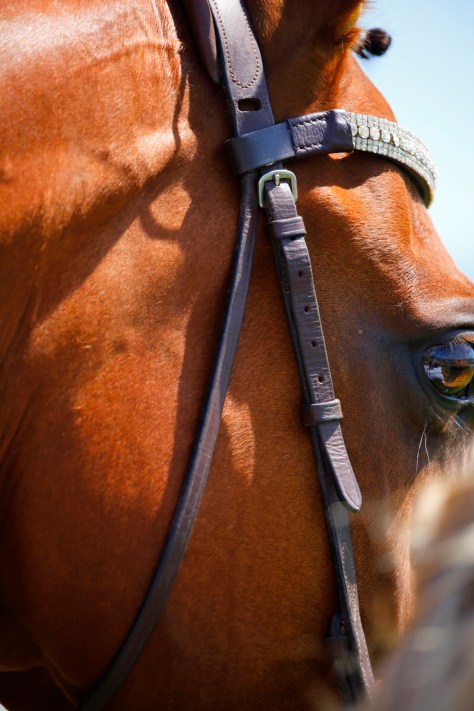
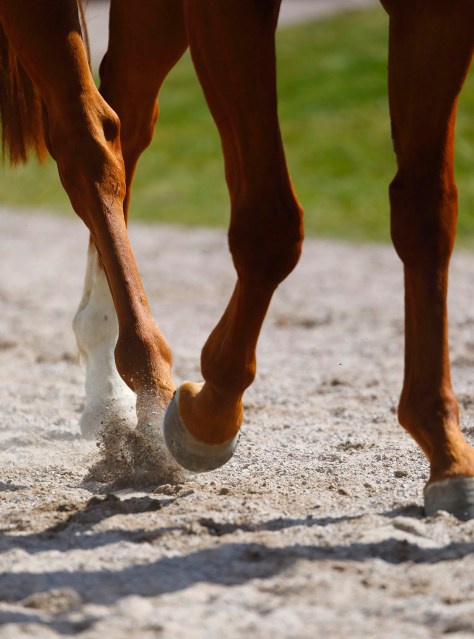
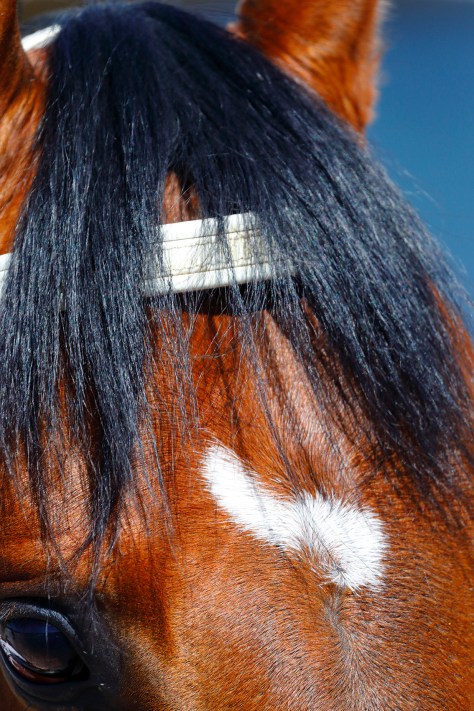
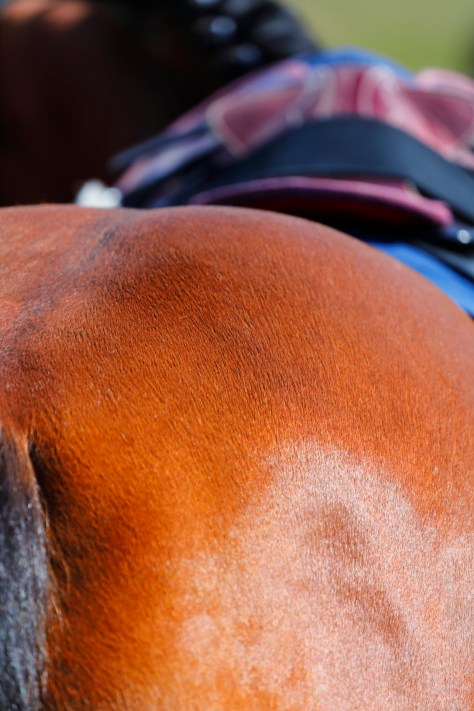
I see mostly the same jockeys and the same horses, but it is never ever the same. The weather changes, and my angles. And everything else. Some of my images are not about racing but still lifes/details from the horses or jockeys. It is a colorful and very exciting sport! The owners and trainers often pimp their racing darlings. Now I am looking forward to a dirty dirttrack, AND a couple of exhibitions with my images. Exciting! From yesterdays races at Bro Park. 😊🏇😊 Pelle
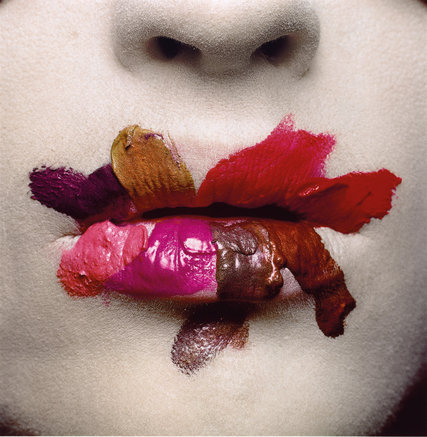
They do, and once again I wish I had all the time in the world just going around enjoying exhibitions. Together with Avedon and Albert Watson he is one of my absolute favorite photographers. Over the years I have got so much inspiration from his work. The frozen fruits, cigarette butts, flowers, the backdrops and SO MUCH more. Recently we have been fortunate here in Stockholm to see his work at Åmells. What more could a photographer my age ask for? 😊 Pelle
Top image: A photo shoot for “Mouth (for L’Oréal), New York, 1986.” Credit Irving Penn Foundation, Metropolitan Museum of Art
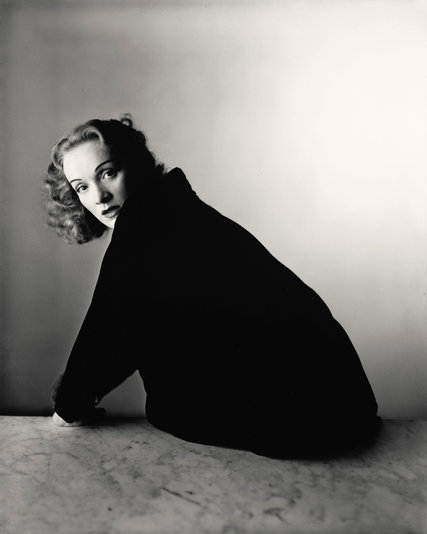
An animated portrait of the movie star Marlene Dietrich, shot in 1948. Credit Irving Penn Foundation, Metropolitan Museum of Art
“Rochas Mermaid Dress (Lisa Fonssagrives-Penn), Paris, 1950.” Penn married the model that year. Credit Irving Penn, Condé Nast and Metropolitan Museum of Art
Penn’s use of sharp, angled corners in his sets fit the narrow frame of his subject in the portrait “Marcel Duchamp, New York, 1948.” Credit Irving Penn Foundation, Metropolitan Museum of Art
“Irving Penn: Centennial,” spanning decades of the photographer’s work, opens on Monday at the Metropolitan Museum of Art. Credit Irving Penn Foundation, Metropolitan Museum of Art; Alex Wroblewski for The New York Time






















 Pelle
Pelle





















 On a photographers mind