Category Archives: Wear and tear

Same same, but always different

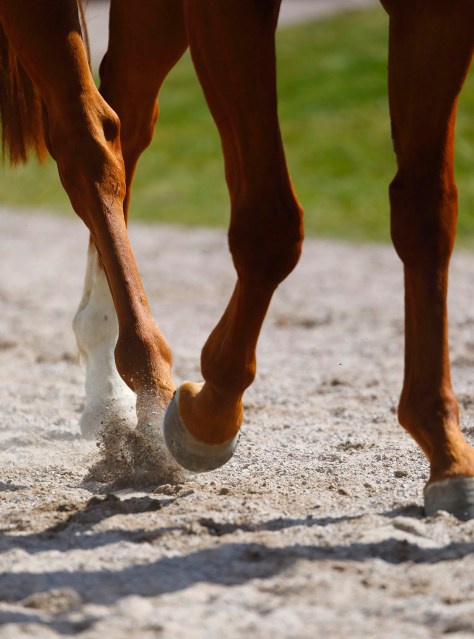
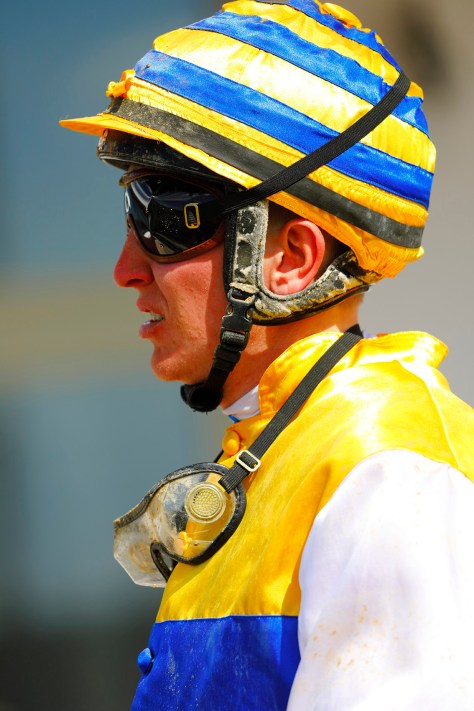
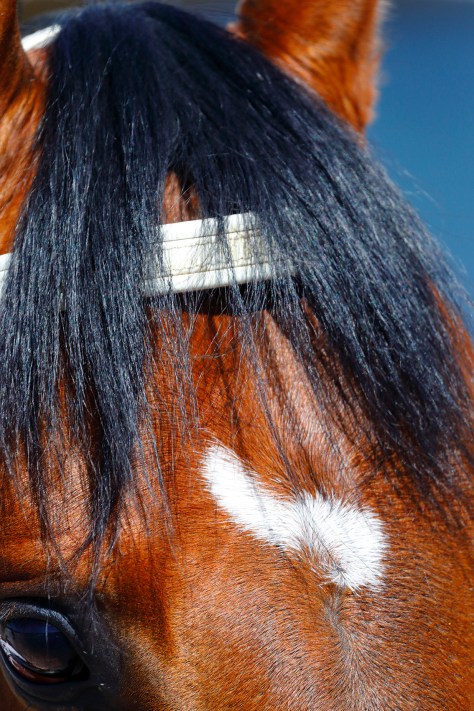
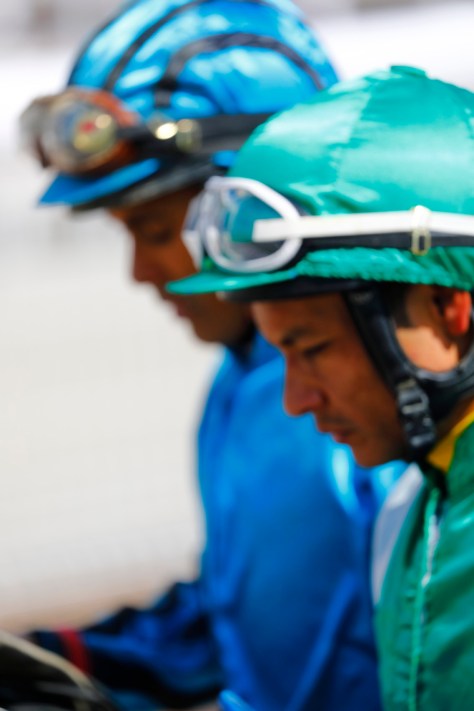
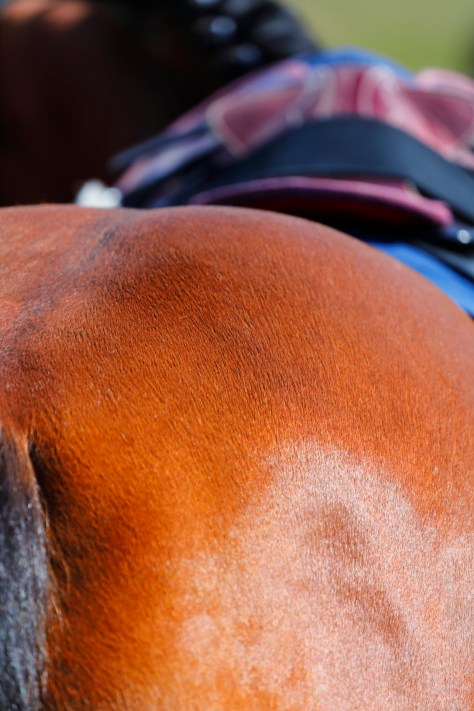
I see mostly the same jockeys and the same horses, but it is never ever the same. The weather changes, and my angles. And everything else. Some of my images are not about racing but still lifes/details from the horses or jockeys. It is a colorful and very exciting sport! The owners and trainers often pimp their racing darlings. Now I am looking forward to a dirty dirttrack, AND a couple of exhibitions with my images. Exciting!   From yesterdays races at Bro Park.      😊🏇😊  Pelle

IMG__07790

IMG__07877

IMG__07639

_BIMG__07675

IMG__07970

IMG__08075

IMG__08390

IMG__08454

IMG__08499

IMG__07866

_BIMG__08173

_BIMG__08255

_BIMG__08319

IMG__07509
There are many dogs visiting the races…

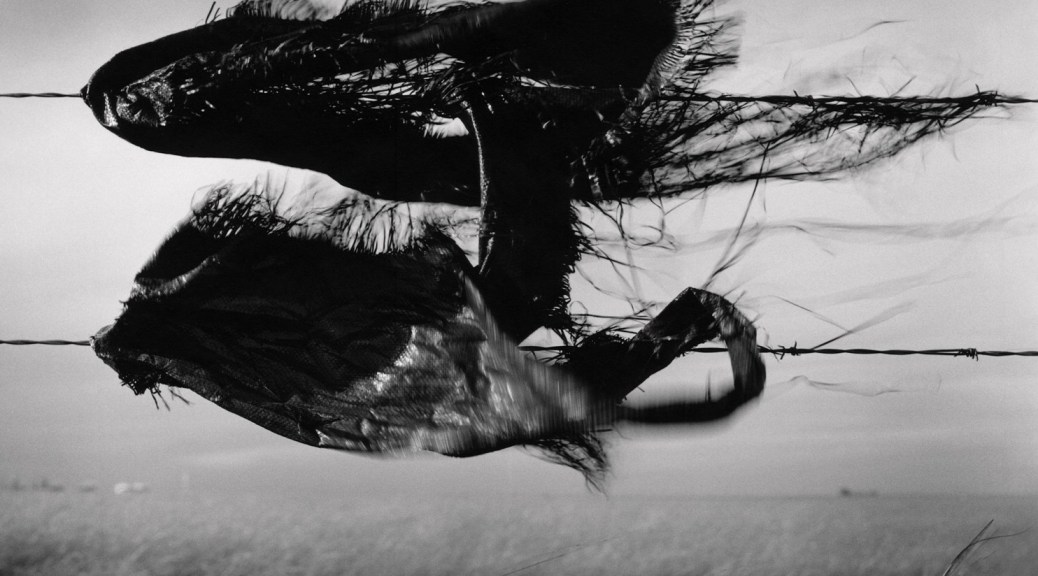
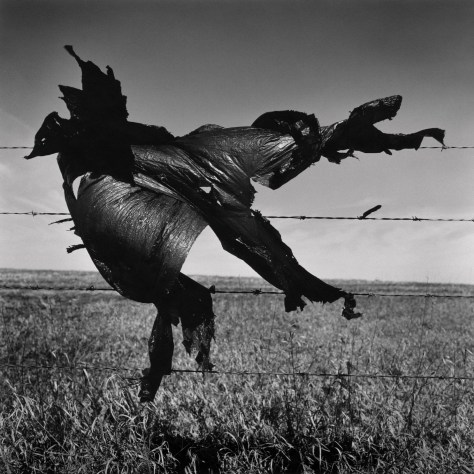
These forgotten shreds of plastic helped a photographer mourn his mom

Simple, beautiful and emotional. There are still great ideas and photographs out there just waiting to be made. 😊  Pelle

© Wes Bell, and the article was found in The Washington Post.

https://www.washingtonpost.com/news/in-sight/wp/2017/03/13/these-forgotten-shreds-of-plastic-helped-a-photographer-mourn-his-mom/

Wes Bell’s series “Snag,” inspired by the death of his mother, takes a beautiful and simple idea and infuses an ordinary scene with great emotional power. There is beauty, loss and poetry in every frame. After 20 years in New York working as an international fashion photographer, Bell returned to his birthplace and to fine-art photography in Alberta, Canada.

In describing this work, Bell said: “Three years ago, I was leaving for the airport after saying goodbye to my mother. She was dying of cancer. On the long drive across the Alberta prairie, I found myself distracted by flapping remnants of plastic bags, caught in barbed-wire fences that lined the ditches. Whipped violently by the wind, they were left shredded and lacerated, but trapped nonetheless in the no man’s land of boundary fences, neither here nor there. Thinking about mortality, pain and death in the context of my mother’s terminal illness, these forgotten shreds of plastic took on a deeper significance — Snag.”

Loss and remembrance are universal, and Bell makes feeling those emotions accessible and visible.

imrs-4

imrs-5

imrs-6

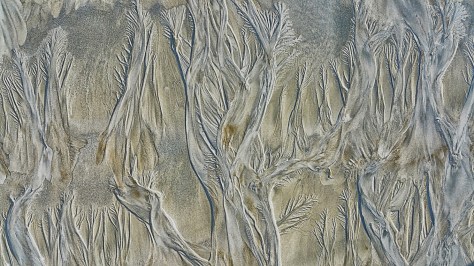
Massive landscapes, or just a trick…

More shots from above, but this time not so high up. The drones has gotten us into thinking in new patterns. The article from Washington Post. 😊  Pelle

https://www.washingtonpost.com/news/in-sight/wp/2017/03/15/massive-landscapes-deep-valleys-canyons-its-a-trick-of-the-eye-joe-philipsons-photographs-of-lines-in-the-sand/?hpid=hp_no-name_photo-story-a%3Ahomepage%2Fstory&utm_term=.bf8318aea39f

imrs-1

imrs-2

imrs

Photographer Joseph Philipson saw more than just cuts in the sand on the shores of Long Beach, Calif. He saw the “code that constructs our visual reality,” or the mathematical phenomenon of fractals, mathematical sets that show a repeating pattern at every scale. In nature, fractals can be seen not only on coastlines but also river systems, blood vessels and crystals, to name a few. Philipson noted to In Sight that his images could be “massive landscapes, deep valleys, canyons … it’s a trick of the eye but I’m really only maybe five feet over.”


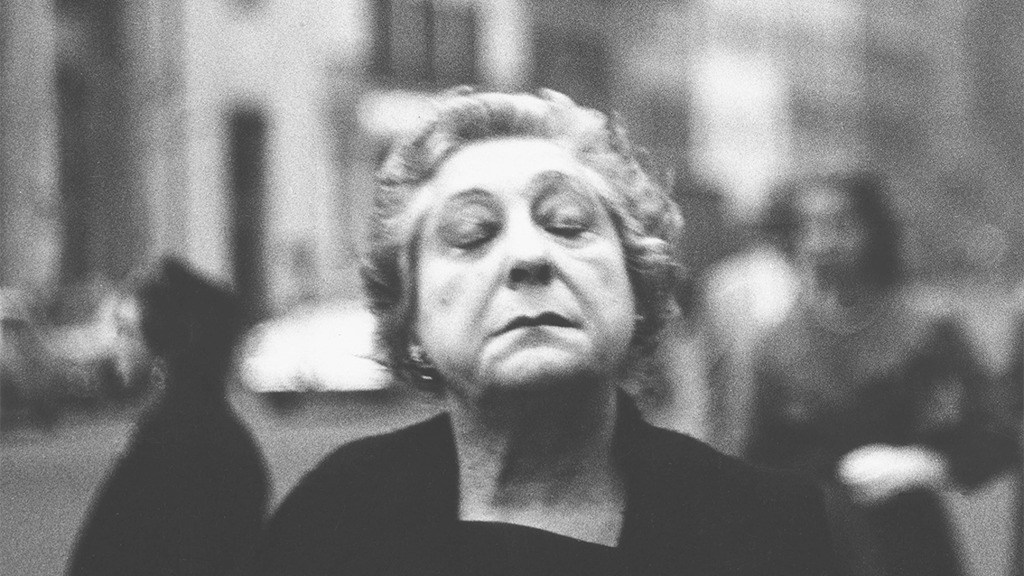
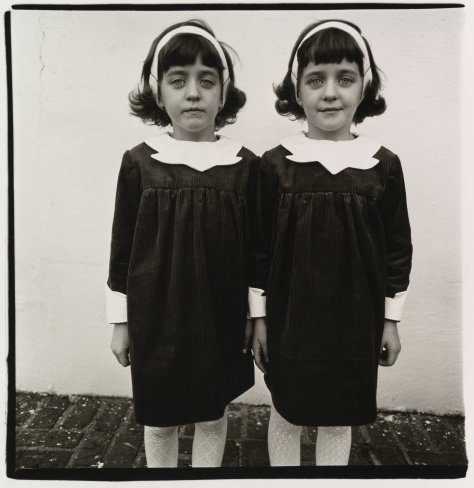
Was Diane Arbus the Most Radical Photographer of the 20th Century?

If you have ever seen a Diane Arbus photograph you will remember it, and her very personal style. That can only be said about few photographers.                                               Thank you Leif Skoogfors for sharing this interesting article.

© Diane Arbus

A new biography and Met exhibit show how she sacrificed her marriage, her friendships, and eventually her life for her career as an artist living on the edge.

By

Diane Arbus’s last known negative is labeled “#7459.” She found herself unable to imagine past that number.

http://nymag.com/thecut/2016/07/diane-arbus-c-v-r.html

12-image-diane-arbus-secondary-1-w1024

12-image-diane-arbus-secondary-2

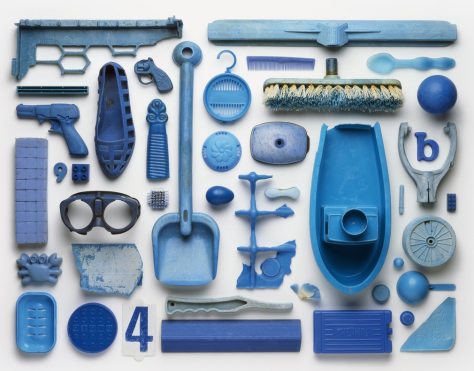
Trash, or Not Trash!

It sometimes happens that you see photographs that you wished you had done yourself. For me, like these. The gloves I have made, but not the other. I like this. It is colorful, playful and provokes a thought about our consumption society.

Stuart Haygarth walked from Kent to Land’s End, picking up the trash he found on beaches – and arranged it into collections that show us how weird the ordinary objects in our lives can be.

https://www.theguardian.com/artanddesign/gallery/2016/apr/11/stuart-haygarth-strand-book-beach-trash-flotsam-england

2000-1

2000-2

2000

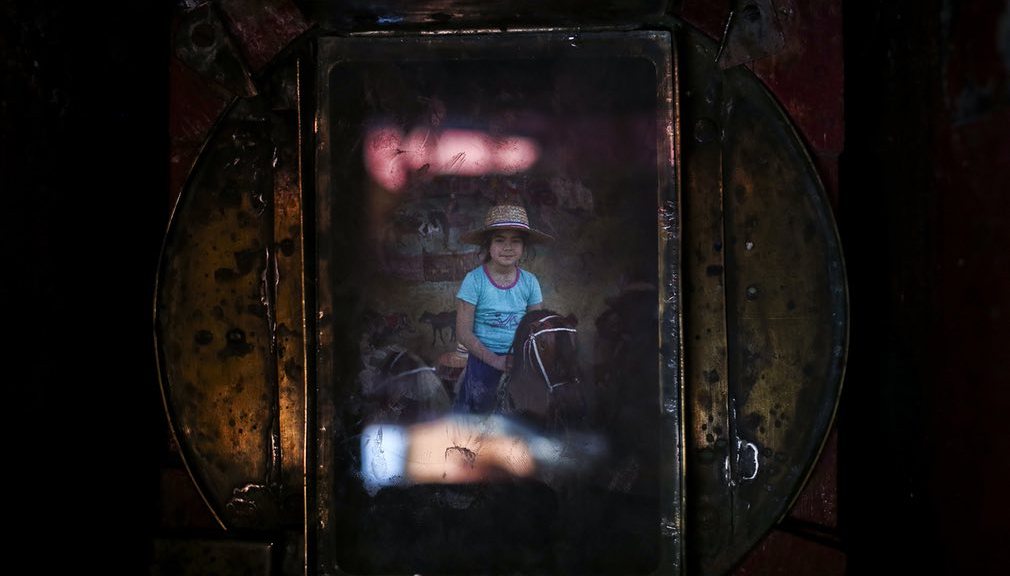
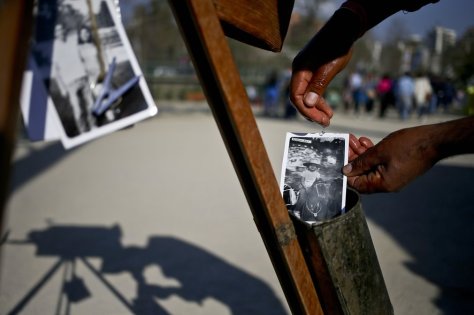
The last box camera in Santiago, Chile – in pictures

Everything is not digital these days. Another place, but the same time. 😊 Pelle

Luis Maldonado is the last remaining photographer in the main square of the Chilean capital still using a wooden box camera.

https://www.theguardian.com/news/gallery/2017/jan/30/the-last-box-camera-in-santiago-chile-in-pictures?CMP=Share_iOSApp_Other

5184

Looking at readers

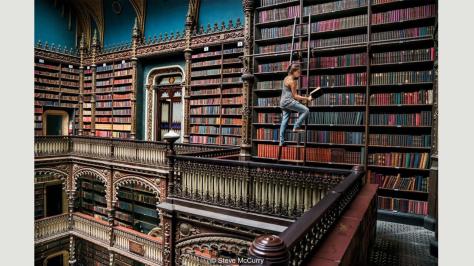
People do read, everywhere in the world. Notice that none of the persons in these images are reading on a phone or a computer. I like that, and I like reading. I´d rather read the book instead of seeing a movie from the book. Then I am doing the interpretations and I am setting the cast. My imagination is working for me.

A new book brings together Steve McCurry’s photos of readers, spanning 30 countries. From a steelworks in Serbia to a classroom in Kashmir, they reveal the power of the printed word.
p04ppqcj

p04pprm7

Without the word, without the writing of books, there is no history, there is no concept of humanity.

Back in 1930, Hesse argued that “We need not fear a future elimination of the book. On the contrary, the more that certain needs for entertainment and education are satisfied through other inventions, the more the book will win back in dignity and authority. For even the most childish intoxication with progress will soon be forced to recognise that writing and books have a function that is eternal.”

Many years ago I was given a book with the mentioned André Kertész reading images, and that book is still one of my favorites. Thank you Bruno!

I found the article at BBC. All images are © Steve McCurry.

http://www.bbc.com/culture/story/20170116-striking-photos-of-readers-around-the-world?ocid=ww.social.link.email

on-reading

This book came out in 1975, and I understand that an original in a larger format was released in 1971.

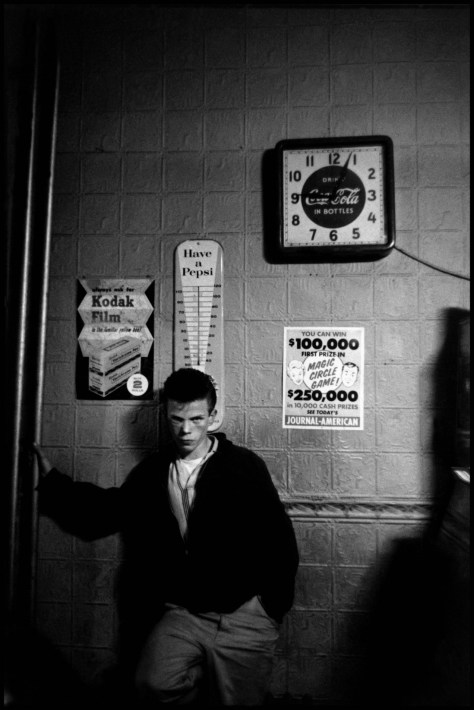
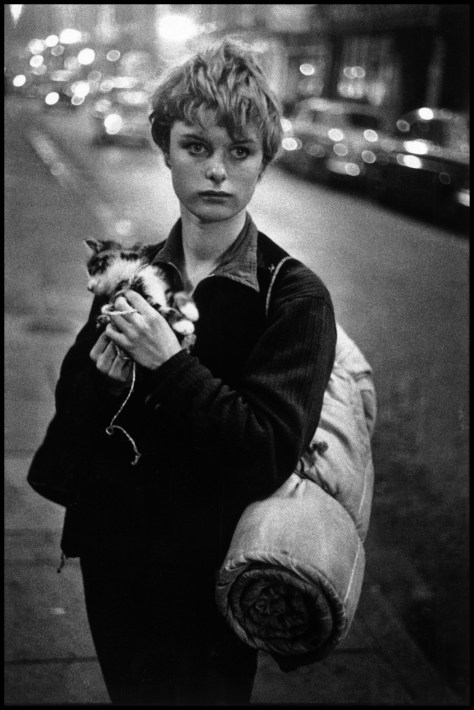
Bruce Davidson.

https://www.washingtonpost.com/news/in-sight/wp/2016/09/15/the-unforgettable-images-of-legendary-photographer-bruce-davidson/?hpid=hp_no-name_photo-story-b%3Ahomepage%2Fstory

Photographer Bruce Davidson was shooting scenes of urban poverty on East 100th Street in New York, when a woman asked him why he was there. When he said he was shooting images of the ghetto, she responded, “What you call a ghetto, I call my home.”

Davidson, a member of the Magnum Photos collective, worked hard to balance the dire situations that residents lived in with moments of beauty and resilience. It was also a common thread throughout his life’s work. No matter the situation, Davidson’s subjects maintained their inalienable right, as humans, to dignity. This is apparent in Davidson’s book, “Bruce Davidson” (Prestel, May 2016), a collection of his most important work including the civil rights era, the subway, a circus and a Brooklyn gang.

While Davidson could take a photo in an instant, reform came slowly. “[My work] doesn’t change anything overnight,” he said via email, “No matter how long I photographed on East 100th St., it wasn’t going to change that fast.”

And I wonder, where are they now? What happened to their lives?

@ Bruce Davidson/Magnum Photos

I found it in The Washington Post

😊   Pelle

imrs-1

imrs-2

imrs-3

Could be…

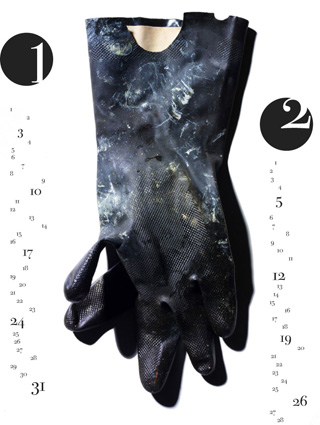
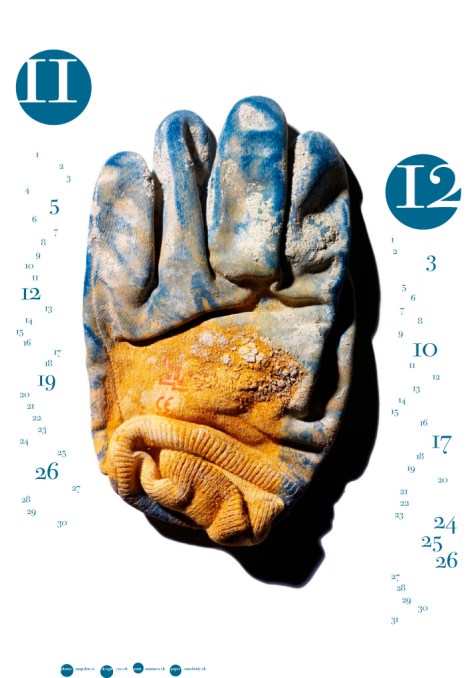
Perhaps there will be a calender for the year of 2017. My friend Peter Schäublin, of Schaffhaussen, Switzerland and I have produced one every year since 1998. Missing only two years. Peter is an exceptional graphic designer, and a photographer himself. These are the first outlines.

Images from my “Used gloves collection”.

What do you think?

Handske till kalender-1

Handske till kalender 2-2

Marc Riboud remembered

This will be the year , unfortunately, when many of the most talented left this life. Read more and learn about Marc Riboud.

This is from The New York Times.

Mr. Riboud’s career of more than 60 years carried him routinely to turbulent places throughout Asia and Africa in the 1950s and ’60s, but he may be best remembered for two photographs taken in the developed world.

The first, from 1953, is of a workman poised like an angel in overalls between a lattice of girders while painting the Eiffel Tower — one hand raising a paintbrush, one leg bent in a seemingly Chaplinesque attitude.

The second, from 1967, is of a young woman presenting a flower to a phalanx of bayonet-wielding members of the National Guard during an anti-Vietnam War demonstration at the Pentagon.

Both images were published in Life magazine during what is often called the golden age of photojournalism, an era Mr. Riboud exemplified.

http://www.nytimes.com/2016/09/01/world/europe/marc-riboud-photographer-dies.html?_r=0